


 Apple Podcasts
 Spotify
  RSS Feed
 Ballparks and Borrowed Time: A Story About Living Fully with Your Friends and Dying Well After a Terminal Cancer Diagnosis
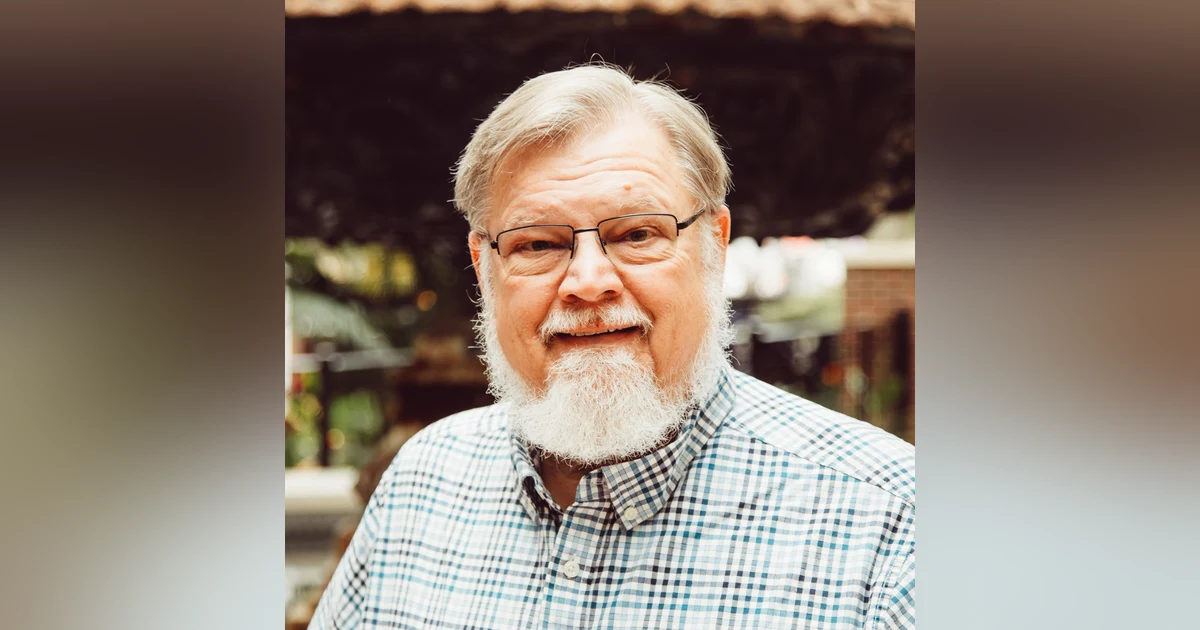
How to “die well together” by investing your remaining time in relationships, joy, and shared experiences—especially in the face of cancer.
Key Story – Bill and the Ballparks
- Bill was a retired pastor and Brad’s former supervising pastor.
- In his late 50s/early 60s, Bill was diagnosed with advanced liver cancer.
- Doctors made it clear he was unlikely to beat the disease.
- Instead of isolating himself, Bill:
- Reached out to his three closest lifelong friends (seminary buddies and fellow pastors).
- Spent about two years traveling with them to major league baseball parks around the U.S.
- They were big Cincinnati Reds fans but visited multiple cities (Chicago, Atlanta, New York, etc.).
- They turned “borrowed time” into intentional, joy-filled time together.
- Bill typically paid for all four friends on these trips:
- He saw it as an investment in people and memories, not just an expense.
- Their wives sometimes connected as well, but most trips were the four guys on “ballpark weekends.”
Impact and Legacy
- Bill eventually passed away roughly in line with his own prognosis (~2 years).
- When his three friends remember him today, they don’t focus on his suffering:
- They talk about the ballgames, trips, dinners, and laughter.
- Their primary memories are joyful, not medical.
- The story illustrates that:
- Terminal illness doesn’t have to define your final chapters.
- Your impact and legacy can be built around connection, generosity, and joy.
Links:
- Cancer & Comedy main follow page:
- https://cancerandcomedy.com/follow
- Free HHH (Healing Through Hope and Humor) course:
- Spoken as: cancerandcomedy.com/free
Dr. Brad Miller 0:02
Ballparks and borrowed time: A story about living life to the fullest, even after a grim cancer diagnosis. I'm Dr. Brad Miller, and a few years ago, I myself was diagnosed with life-threatening cancer, and I decided to leverage my 40-three years of pastoral experience, along with my doctoral degree in transformational leadership, and marry that with my love of comedy and laughter to create the Cancer Comedy Podcast, where we love to tell stories that offer cancer-impacted people a sense of hope to cope with hope and humor. That's our story here today. Story about a friend of mine who took the last couple of years of his life when he had a grim cancer diagnosis and gathered his friends about him, and they had a great time together, celebrating, laughing, and living life together. That's our story today. Join us here on the Cancer and Comedy Podcast.
Speaker 1 1:07
Cancer got you down? Pretty grim, huh? How about a show that turns the grim into a grim? Way to go! You made it here to the Cancer and Comedy Podcast, a show to lift you up with hope and humor that heals.
Deb Krier 1:28
Hey there, lifter uppers! I'm Deb Creer, the co-host of Cancer and Comedy, where our mission is to heal cancer-impacted people through hope and humor, something we like to call turning the grim into a grin. Well, today on Cancer Comedy, Dr. Brad and I are going to talk about ballparks and borrowed time-a story about dying well together. Well, now here's the host of our Cancer Comedy podcast, Dr. Brad Miller.
Dr. Brad Miller 1:54
Hey, Deb, good to be with you as always, and our Cancer and comedy lifter uppers. We like to call the people who follow our podcast lifter uppers because we are all about not going downhill with a cancer diagnosis, but helping to lift one another up. And so I know that Deb, you and I try to lift one another up in terms of what we share together and we share with our audience. We want to help to lift up their spirits where they're at, and we do that collaboratively as well. And we love to hear from people. You can always go to our website, cancerandcomedy.com/follow We actually have a form there you can fill out that we get connected to. There actually also is a place to leave a voicemail there that you can reach out to us as well. We would love to to hear from you, but we're all about we're all about this situation. We're about we are not done living if we get a cancer diagnosis, and cancer can be kind of a bit of a metaphorical for any bad thing that happens to you, divorce or financial reversal or depression. But we always use kind of the framework of cancer because both Deb and I are cancer survivors, thrivers, warriors, whatever terminology you want to use, and we look to to get through that. We out here be helpful to people who've said that okay, we've had a bad thing happen to us, cancer diagnosis or some other thing, but we're not done living. We're going to live a full life to the end of our life and get the best of it. And our story today has a lot to say with that. But first of all, Deb, how about a couple of-I mean, really bad dad jokes? I got some really. You know, I
Deb Krier 3:31
wait for these. I really do wait for these.
Dr. Brad Miller 3:34
Well, these are all-you know-I don't know. You may you may think differently after this. But what is the what is the most annoying pepper? The most annoying pepper. Well, the most annoying pepper is jalapeno because it always gets a jalapeno in your face. Jalapeno,
Deb Krier 3:52
cute, cute. I love it.
Dr. Brad Miller 3:55
What? Just one more. This is a bad one. Why couldn't the toilet paper cross the road.
Deb Krier 4:02
I don't know.
Dr. Brad Miller 4:02
It got stuck in a crack.
Deb Krier 4:05
Oh, boo! That that really was a bad dad joke. Just know we've got another one of the the bad dad jokes after our conversation. But then, of course, we have our very important and very serious "faith it or break it" segment. Well, as mentioned, we would love for you to be part of our cancer and comedy community, where together we crush cancer with a message of how to cope with hope and humor. Please follow cancer and comedy at cancerandcomedy.com/follow
Dr. Brad Miller 4:39
Well, Deb, I wanted to share with you a brief story about some people who were in my life, and I'm going to put it kind of in the context. I've been thinking a little bit nostalgia recently because a couple weeks ago I went to my 50th high school reunion, and I was able to get reconnected with a couple of people I knew from high school days and. And and we had some great conversations, but in a couple cases, we were talking about you know I I knew their parents and they knew mine, and both you know my father passed away 10 years ago, and in this particular woman I was talking to, which she was a neighbor of mine, went we went to the same church in high school anyhow, but her parents had passed away. We were talking about that and how you know how time passes quickly and those relationships, no. But she had actually recently moved from Florida after she'd lived in Florida for 30-five years back to our hometown in Indiana to be connected to some of her like high school era friends. And about the same time, my wife was connecting with some of her high school era friends, who she's kept an ongoing relationship with because one of her friends has cancer, and and they are been getting together on a monthly basis or so to be supportive of of her. But they they'd always done this, really, but even more so now. But maybe think about long term relationships and how they can have value. And I was thinking about a friend of mine. He actually was my boss at one time, you know, he kind of in the I'm a retired pastor, and he was my supervising pastor who helped help me was helped me be appointed to a church I was at. So basically, he was my boss for about four or five years. But anyhow, his name is Bill, but he was good friends with about three other guys who they went to school together, went to seminary together, and they maintained a relationship all their life, and they maintained it not only having some fun together, but also kind of helping keep keep one another accountable and some things of of this nature. But when he was in his late 50s, maybe early 60s, Bill. was diagnosed with cancer. I believe was liver cancer, and you know it was a devastating thing. And he was basically, you know, a a it was pretty much determined at that time that you know he was not going to be able to defeat this cancer and spread to a certain level, but overall, he felt good enough to function most of the time, and so he and his three friends spent about the last two years of his life having a ball together, and some, and in some ways, having a ball together meant literally because they were all four of them good, big time baseball fans. So they traveled around. Among the things they did was travel around the country, going to major league baseball parks and seeing major league baseball games. I think all of them were big Cincinnati Reds fans, but they traveled all around the country, several different cities, and to see major league baseball games, and then and then they had a great time together, and they held each other accountable, and they had you know they about their relationship, but also just had a great time together, and they did other things. They went out to dinners together. Their spouses got together from time to time, but mostly it was these four guys who went out on these kind of these weekends on several occasions for about a two-year period? They'd either drive off or fly off to someplace Chicago or Atlanta or someplace New York City and have a big time. And generally, Bill, who was a pretty astute financial investor guy, paid the bill for all four of them every time they went out, and and I it was and he just talked about it. Say hey, what am I going to do with this? You know, this is an invest. This was an investment in the people that he really cared about, and he just took that attitude with it. And I still see Bill did pass away after about two years.
Dr. Brad Miller 8:40
He was pretty much right on the money with his own diagnosis. It's kind of a bucket list sort of a thing, I guess you you might say. But I still see the other three individuals from time to time. They're about 10 years older than me, so they're all mid 70s now. But and they talk time to time about how great a time they had with Bill, and that's their memory of him. Was it about him moaning and groaning or being stuck in his house or hospital bed. It was going out and having a good time together. So I wanted just to talk about that a little bit in this context. You know about you know I've reconnected with some people I knew 50 years ago. My wife has maintained a connection for people 50 years ago. These four friends held a long-term connection, and they invested in that in their time together. Even though cancer came and did eventually take Bill's life, it didn't stop him from living, and didn't stop. And the memories are there were there, and so you know, it kind of reminded me of what I remember. Bill, I had several conversations with him in the last two years. He was still more or less my boss. He was more. I wasn't a part of this group that we're talking about here, but he was to say, you know, he says, you know, sometimes people get the message to this fact. People talk about. Together sometime, or maybe when we get around to it, but they never get around to it, and so he just said, "I put a calendar on it, and we just did it. So give me kind of just give me kind of your give me your top line observation about this story I just told.
Deb Krier:Well, I mean, the I think the biggest thing is don't wait until it's too late.
Dr. Brad Miller:Yeah,
Deb Krier:you know, and and I love that he footed the bill. You know, that was that was great. Probably his buddies would have you know contributed, and
Dr. Brad Miller:and
Deb Krier:you know they they
Dr. Brad Miller:all they all said that effect. But he said Bill really wanted to do it. That was a part of his deal,
Deb Krier:and right, and but the the money was not the issue. You know, it was that he wanted to have the memories with them, and you know, and I love that idea. And you know, things can go one of two ways, especially when you get a serious diagnosis of there's you're you're you know you don't have long. You know, fortunately for many people, they they deal with you know cancer or whatever, and and they go on, but you know there are obviously there are those who were told you've got three months, you've got two years, you know whatever it is, and so how are you going to live during that time to the best of your ability, right? You know there's there's all sorts of things that are in there, but you know he wanted to enjoy the time that he had left, and and the nice thing is he was able to, but they also, you know, took into account. Okay, we need to to make concessions. You know, maybe maybe you know go a little bit slower, not do as much. You know, all of those things, and they made it a priority for them to be doing those adventures too, you know. And and and I just love this idea of you know how are you going to live those last days?
Dr. Brad Miller:Yeah, and there were at least one occasion I know of where they had to cancel the trip because of his illness and that that kind of thing. But I think part of this does here, Deb. I think. think there's something to be said about turning the vague into the specific, and taking the kind of the idea, and then put it on the calendar when you pay them and buy the tickets. You know, for that's right, and do the deed, and sometimes go on faith, you know that this is going to happen. And if you lose, you know, I use an example that you know if you know if you buy the tickets, you know, like I'm going taking my son to a movie later on tonight. We bought the tickets ahead of time, but he might get called into work. If it's called into work, oh well, I've lost, you know, the tickets. It's not the worst thing in the world. Go to a movie again, but the idea here is just to take a chance and do that, and treat your friendships and your relationships with some urgency, with some deliberateness. Then until you know, because there's going to come a time if you're dealing with cancer, where the diagnosis itself is going to force the issue, where you're going to be, you know, if you if you do have, you know, a a you know a diagnosis that's going to lead to the end, there's going to come a time when you just can't do it. So, yeah,
Deb Krier:right, you know, and and I'm sure that for the the the buddies, it was bittersweet because they knew. Okay, you know we can't do this in five years. We're doing this because we're going to lose him. But they didn't let that grief kind of overwhelm things. You know they felt it, but they you know then they went. Okay, now we're going to go have a hot dog, right? Yeah. You know, and and and I think that's the thing is sometimes we get overwhelmed, whether we're the the patient or the friend or the the loved one, we get overwhelmed with that grief, and and we forget. You know, wait a minute. We still need to laugh, and we still need to enjoy ourselves to the degree that we can.
Dr. Brad Miller:So important, you know. Part of what we're talking here is sharing an experience together, with the shared sentiment as a part of it. But that's not the only thing, you know. They didn't sit around talking about death and dying every day, or about what you're going to lose. You know, they went to the ball games. They went to other outings. They went out to dinner, things like that. They did create. They did experience life together, and they did that to create connection. And rather than kind of forcing the issue, this isn't like this wasn't like you know like a therapy session, you know, to deal with your you know, your feelings of grief or what have you, you know, we we have it going on, and so I think, and a part of what they did is they they were doing things they enjoyed together. So that's enjoyment, that's laughter, that's and that builds a legacy. So, what do these guys, these three guys who are left, talk about now? They don't really talk so much about his, you know, the agony of him dying, which it was. They talk about going to these ball games. They talk about doing these other things to together. That's what they talk about. That a terminal, a terminal illness does not mean that your life is terminated, you know, in terms of your impact moving forward. Hey, my friend, I just wanted to share with you that here on Cancer and Comedy, we have a special gift for you that's going to help you if you're impacted by cancer in your life and you want to do something about it. It's it's our free course. We call it the HHH or Triple H course, which stands for Healing Through Hope and Humor. It helps you to develop your cancer coping credo, a statement that's going to help you get get through that. It's a free course. Just takes you. It's five short sessions. It's all audio. You can get that free course at cancerandcomedy.com.com/free. So, how do you think we can take some lessons here, Deb, and apply it to our current relationships that we may have?
Deb Krier:Right. I think the biggest story is don't put stuff off. You know, and and whether it's hey you're going to go out to dinner or you're going to go on a trip things like that you know and and and do what you can you know don't think oh I'll do it later you know I'll do it when no do it now you know and and then maybe you get to do stuff later too but but yeah, do it now because you never know what's going to happen, and so why put things off?
Dr. Brad Miller:Yeah, just a couple of thoughts along this line of when you don't put things off and you do something about it, what can you give? You're giving a gift. Yes. Okay, and his his he was investing in the lives of his friends and his relationship, there, the gifts of time, of generosity, the gifts of a memory, photographs-all those things that are there that everybody involved carries for the rest of their lives-and it also helps to reframe the situation. We talk about this from time to time: that the dying person doesn't have to be just withering away people just giving to them, the dying person can be a giver, not just a receiver of care, because he chose to help care for his buddies in that whole process. So that's awesome. That's awesome, right?
Deb Krier:Right. You know, and I think we really do always think, oh, we've got time to do something later. You know, and and even if it's just oh, I'll send an email, or you know, I'll you know catch up on Christmas cards or whatever, you know. And then sometimes we don't have that opportunity, you know. And and so why not do it right now? You know, even if it's just haven't reached out to this person in a while, I'm just going to send them a note. You know, it might just be through Facebook or or whatever, and then you know things go from there. Maybe maybe they don't respond at all. Okay, whatever. You tried, you know, and and but yeah, don't really just don't put things off.
Dr. Brad Miller:Yeah, well, just I mentioned I had my 50th high school reunion a couple weeks ago, and there was a couple of guys who I knew a little bit in high school who have similar paths in life to me. One's a medical doctor and one's a college professor, both retired now. And we one lives a couple hours away from here. I live in Indiana, and he lives a couple hours away from me. Another one lives in Michigan, not too far away. Anyway, we made some. Who knows if we follow up, but it's up to me probably to do it. But we said, "Hey, let's get together sometime and you know have lunch or something like that. And so important that you can do those things because I think there's a certain amount of capital. Like these guys have been together for 30 years, a certain amount of capital that comes with long-term relationships. That's important, but it's really about building trust. You know, you have trust over time is one level, but you can also build trust over how you, you know, how you invest in in people and trust matters.
Deb Krier:Technology is great, you know, because you know maybe you can't get together in person, so you have a Zoom lunch, you know, or you know maybe your your thing is to have a cocktail in the evening, whatever it is. You know, it's it. You know, there's there's really no excuses for somebody to say, "Oh, it wasn't going to happen. Nah, you know, doesn't have to be in person. It can be remote.
Dr. Brad Miller:Yeah. Well, I think there's a couple of things for us just to mention here that I think are important for it, given our context of cancer. We help people to navigate cancer. You know, the health windows, depending on what kind of cancer you have or your circumstances of, can be a little bit unpredictable, right? You know, there are certain periods of time when you can function; other times, not. You know, I'll give an example. My wife gets together with her friend who's going through. Cancer treatments, and there's a group of four friends who gets together. But now they are timing their get-togethers, their lunches, based on her treatment schedule because they know, and you know this better than me. When you have a you know a chemo treatment or whatever, you're not worth a lick for week or 10, a week or 10 days. There's kind of a window where she's feeling pretty good, so they do that, and I was thinking that we just kind of be sensitive about that and maybe adjustable and those type of things. But always look for to still get it done. You know, don't let things just slide. You know, I think that's important.
Deb Krier:Yeah, and don't think, oh, we can do it next month because you don't know,
Dr. Brad Miller:right?
Deb Krier:And and and here's the thing: you can do it next month, but why not do it this month also?
Dr. Brad Miller:Yeah, if if you have to cancel, you have to cancel, but don't let it go. You know, part of what we're talking about here, and let's at least touch on this, is anticipatory grief. Something we'll probably go into more in depth in another episode here, but this just kind of goes into how we are anticipatory grief has to do with how a grieving process that happens before death happens. You know, it is waiting for something to happen, or you know, loss is coming, and you kind of begin the emotional process. For some people, anticipatory grief means separating, withdrawing. You know, and I've seen that happen as well,
Deb Krier:especially as a minister.
Dr. Brad Miller:Yeah, I've seen that happen, and probably you have too, but in this case, anticipatory grief intentionally with people drawing closer together. I just think there is something to be said for that-that we have to be intentional, even about our anticipation of a time of grief.
Deb Krier:Right? Can
Dr. Brad Miller:Can you say more about that?
Deb Krier:I mean, you know, one of the things that I love hearing about is somebody who throws their own funeral, right? You know, because we when we go to the when we go to the actual funeral, the wake, the whatever, we're talking about you know the good things that that we remember of the person. Well, why not have a party in advance and get to hear that stuff, you know, before before you know, you're dead, and you know, and and I just always have loved that concept of let's have the funeral in advance.
Dr. Brad Miller:Yeah, well, there are some cultures I'm thinking of the Mardi Gras, New Orleans, when they do funerals down there. You know, there are parades and there are things like this
Deb Krier:and wakes, right? You know, the whole Irish way. Yeah,
Dr. Brad Miller:let me ask you something here. Do you think there's a certain aspect here of how my friend Bill spent spent lavishly on experience here, and how how can we? Has there been a time when you've been either been kind of spent spent spoiled yourself by someone, or maybe you spoiled someone else. That you know, just guilt wasn't a part of it. Just like I just want to invest in this, or I'm so glad to be celebrated. Is there anything like that in your life?
Deb Krier:There, there definitely was with my mother. You know, once my father passed, she she decided she was going to go on trips, trips that he he had no desire to go on. But she, you know, it was it was something she really wanted to do, and so she took my husband and I. And you know, I was an only child, and she would say, "I'm spending your inheritance. I just, you know, I thought that was was great, and I kept telling her, you know, you could take other people, you don't have to, but but she really loved spending that money on trips, and we did quite a few big trips. You know, we went to Scotland and Ireland. We went on some cruises.
Dr. Brad Miller:Wow,
Deb Krier:things like that. I mean, these were not inexpensive things, and for me, it was absolutely wonderful to be able to enjoy that with her, as opposed to just hey, how much money am I going to get when she dies? You know why that that really was so much fun to be able to enjoy those times with her, as opposed to her thinking, well, no, I can't spend that money. I have to wait and and you know it has to go to Deb. No, you know I would have been happy to get nothing,
Dr. Brad Miller:yeah, that's an awesome story, and this-that's the type of story it needs to be told again and again. Like my friend Bill, your story, you know others as well, and and so I think kind of how I want to wrap up our conversation here today is about this: is that we get to choose in many cases, the ending of the story, or at least a part of the ending of the story, okay, and ending well can be a skill, not just an accident. You know, we're not talking about people who you you know get killed in a car crash or whatever that kind of thing. We're talking about when people deal with. Cancer, other bad things in life, and you kind of there's this period of time when you kind of have choices to make, and sometimes this ending well means long and serious conversations about things, you know, and we end of life issues, legal, financial, otherwise, are they need to be had, of course, but dying well means also living well, and it also means celebrating life, as you said. And but and it also means I believe can mean a time of intention, not just letting it happen to you. And so it's not it's not. Some people think, oh, that's a morbid thing to do. I don't see that myself, but it's about giving a gift back to others, kind of final final gifts.
Deb Krier:Right. Do
Dr. Brad Miller:you have any closing thoughts about our conversation here today?
Deb Krier:You know, it's it's what we've been saying. Don't put it off. Do it now. You know, maybe you can't afford something big and lavish. Fine, fine. You know, go to go to go for a walk. You know, whatever it is that is is something you know, and or you know, like we said, a Zoom, whatever, reach out to those people. Don't put it off because you never know, you know, when when things are going to change.
Dr. Brad Miller:Yeah, big and lavish doesn't always actually mean financially expensive, but it means investing a big part of yourself, and so and that's what that means. And so, I want to say, celebrate my friend Bill and his friends, who I see will see from time to time, and thank you for his legacy of generosity.
Deb Krier:Yep, I love that. So important. So important. Well, folks, it's time to lighten things up a little bit with another one of Dr. Brad's bad jokes of the day.
Dr. Brad Miller:So when when an out of work mime was visiting the zoo, and he and he figured he tried to earn some money performing at the zoo. Unfortunately, as soon as he starts to draw a crowd, the zookeeper grabs him and drags him into his office, and the zookeeper explains to the mime that the zoo's most popular attraction, a gorilla, has died suddenly, and the keeper fears that attendance at the zoo will fall off, and they offers the mime a job to dress up as the gorilla until they can get another one. The mime accepts, and the next morning the mime puts on the gorilla suit and enters the cage before the crowd arrives. And he he discovers this ends up being a great job. He can sleep all he wants. He can play. He can make fun of people, and the crowds start to come. He draws bigger and bigger crowds than he ever did as a mime. However, eventually the crowds tire of him, and he gets bored with swinging on tires. He begins to notice that people are paying more attention to the lion in the cage next to his. Not wanting to lose the attention of his audience, he climbs to the top of his cage, crawls across a divider, and dangles from the top of the lion's cage, and of course this makes the lion furious. But the crowd loves it, and at the at the end of the day, the zookeeper comes and gives the mime a raise for being such a good attraction. Now this situation goes on for some time, and the mime keeps taunting the lion. The crowds grow eager and obviously grow larger, and the mime's salary keeps going up. Then one terrible day, while he was dangling, dangling over the furious lion, he slips and falls, and the mime is terrified because he has fallen right into the cage with the lion. He gathers himself up, and he and the lion looks looks at him and gets ready to pounce. And the mom is so scared they begins to run around the cage. And the lion close behind him and chasing him around the cage. And finally, the mind starts screaming and yelling, "Help me! Help me! Help me! But the lion was quick and pounces on him. And the mind soon finds himself flat on his back, looking up at the angry lion. And the lion growls, "Shut up, you idiot! Do you want to get us both fired,
Deb Krier:lifter uppers? I think today more than ever we do need Dr. Brad's "Faith It or Break It" segment.
Dr. Brad Miller:Hey, lifter uppers! This is our "Faith It or Break It" segment of our podcast, and I just want to invite you to draw a little bit of a spiritual encouragement from the story that we told today, a message grounded in hope and presence and generosity. We all know that we have life's challenges, especially when a cancer diagnosis comes or comes along, or some other deep loss. We can feel like we've been really thrown into a storm. Our plans are messed up. Our tomorrow's not guaranteed. But as followers of Christ, we're reminded that each day is a sacred gift, and we're called not to retreat in fear or sorrow, but to draw near to God and to each other. The story that we told today about my friend Bill was more than just a tale about buddies and ballparks and having a great. Time together in the last couple of years of of his life, it's a living illustration of Ecclesiastes three, 312, and 13, where it says, "I know that there is nothing better for people than to be happy and to do good while they live, that each of them may eat and drink and find satisfaction all their toll. This is the gift of God. When my friend Bill faced the reality of a terminal cancer, he didn't curl inward or let the shadow of loss steal his days. Instead, he invested and he lavished his life with his friends, with the treasures of his time, his laughter, and his presence, that he chose to create memories that would that would outlive him, and binding his friends not just in grief but moreover in joy, and that I believe is a model of Christian stewardship, investing our time, our life, our resources, and most of all, all our love into those God has placed around us. Just as Jesus spent his final days breaking bread, sharing stories, washing the feet of his disciples, Bill served his friends with intentionality and generosity. His actions ask us: Are we waiting for some day, or will we turn our good intentions into actions today? So, my friend, our lifter upper friends, none of us knows the hour nor the day of when we're going to leave this earth. We don't know our number of days. It could be today. It could be years from now. But we do know that every day is a chance to draw closer to God and to those we love, and perhaps like Bill, God is nudging you to make a phone call, write that note, get your friends together, have a lunch, go to a ball game-not someday, but today-and let our relationships be marked by urgency and love and generosity and hope. And let's not only plan that for someday to do good, but to do it today. Scripture says in Hebrews 10:24 and 25, and let us consider how we may spur one another toward love and good deeds, not giving up meeting together, but encouraging one another, and all the more as you see the day approaching, that's our faith it or break it segment.
Deb Krier:Well, lifter uppers, this brings us to the close of this episode of the Cancer and Comedy podcast with Dr. Brad Miller. Cancer and Comedy is all about telling uplifting stories of people like you who are kicking cancer's butt with healing through hope and humor. You can join those of us who are turning the grim into a grin by telling us your uplifting story. Just go to cancerandcomedy.com/voicemessage. Well, that's all for now. Please join us next time on Cancer and Comedy. And if you like what you hear, please pass this podcast on to someone in your life who needs to turn their grim into a grin. For Dr. Brad Miller, I'm Deb Creer, reminding you that a cheerful heart is good medicine.
Speaker 1 33:16
Hey, thanks for joining us on the Cancer and Comedy podcast with Dr. Brad Miller. Make sure you visit our website, cancerandcomedy.com where you can follow the show and get our newsletter. Like what you hear, then tell a friend about Cancer and Comedy, the show that lifts your spirits with hope and humor that heals. Until next time, keep turning the grim into a grin.
