


 Apple Podcasts
 Spotify
  RSS Feed
 Two-Time Survivor: Cheyenne Heflin on Losing a Leg, a Lung, and Never Losing Humor.
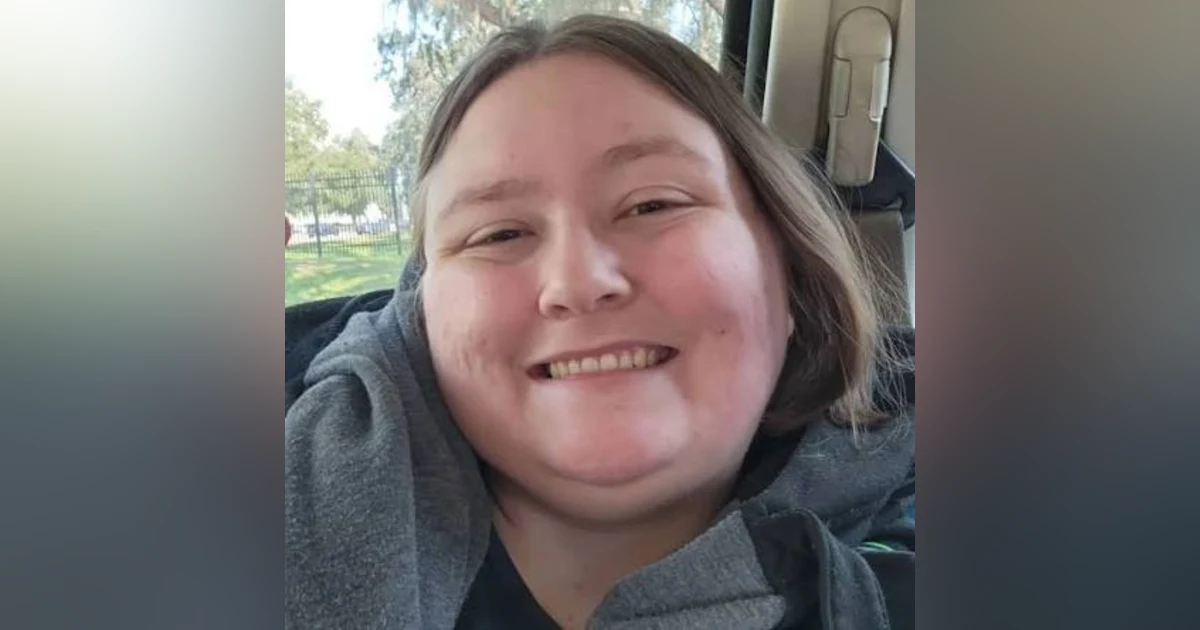
On this episode of the Cancer and Comedy Podcast, Dr. Brad Miller and Cheyenne Heflin open up about a topic that rarely makes it into the discharge summary—but lives in the classroom, the family room, and the therapist’s chair:
What happens to your identity, your mental health, and your sense of “who I am” when cancer takes your leg at 13…and then comes back for your lung just as you’re about to become a counselor?
Speaking from her own story—first as a middle‑schooler with osteosarcoma and an above‑knee amputation, then as a grad student blindsided by a lung recurrence—Cheyenne has a candid, funny, and deeply compassionate conversation with Brad about living in a changed body, using humor as both lifeline and mask, and learning to become more than “the cancer kid.”
In this honest, tender, and laugh‑out‑loud real conversation, Brad and Cheyenne share:
- Going from knee pain to a childhood bone cancer diagnosis and chemo in a matter of weeks
- Losing her leg above the knee and starting high school bald, disabled, and in a new city where she knew no one
- Leaning hard into humor—cracking jokes about her missing leg so other people wouldn’t feel awkward
- Using her prosthetic leg as a prop: hiding by the choir room door and swinging it at classmates (and her choir teacher) to “guard” the room
- Becoming “the funny one” in choir and activities, melting tension when rehearsal stress was sky‑high
- Realizing in college and during COVID that humor wasn’t just coping—it was hiding the depth of her pain
- Losing a close friend who saw through the jokes, insisted “you are not fine,” and stepped away when Cheyenne refused to face what she was feeling
- Hitting a breaking point in COVID—moving back home, clashing with her sisters, explosive arguments with her dad, and finally snapping under the weight of it all
- Sitting on the porch while her dad, scared for her, says, “We need to get you real help,” and pushing her to consider antidepressants
- Wrestling with fear that taking meds meant she’d end up like her mom, who also struggled with mental illness—and then discovering medication actually made therapy skills usable
- Letting go of med‑school dreams, admitting she struggled with heavy science, and pivoting toward psychology and counseling
- Getting all the way to her counseling internship in a pediatric practice—only to have a persistent cough lead to scans that read “highly suspicious for recurrent cancer”
- Facing a massive lung tumor, chemo that didn’t shrink it, and a total removal of her right lung—and what day‑to‑day life is really like with only one lung
They also talk about:
- Choosing to show up to chemo in ridiculous hats—frogs, buckets, propellers—and inviting family, friends, and coworkers to join the bit so they could bring light instead of pity
- How her internship coworkers even sent a funny hat in a care package, giving them a way to participate in her healing
- The huge mental‑health gap in pediatric cancer care: being checked only to see if she was suicidal, then left to navigate school, disability, and trauma mostly on her own
- Why she’s determined to close that gap as a therapist and speaker, using her story to advocate for psychosocial care alongside medical treatment
- Working with a young patient diagnosed with OCD, using exposure therapy grounded in trust and warmth, and watching that child’s symptoms disappear
- The powerful moment when that family told her how much better life was—and Cheyenne finally believed, “I really can help people.”
This episode isn’t a how‑to manual for “perfect resilience after cancer.” It’s a real‑world guide to:
- Talking about the hard stuff instead of hiding behind “I’m fine” and a joke
- Using humor as a tool for light, not a mask that keeps you from feeling
- Redefining yourself when your body has been cut, stitched, rearranged—and labeled “survivor” before you’re ready
If cancer has changed your body, your plans, or the way you see yourself in the mirror, this conversation will help you:
- Feel less alone in the awkward, unspoken mix of laughter, grief, and growth
- Start the conversations you’ve been avoiding—about mental health, medication, and who you are beyond your diagnosis
- Find hope, humor, and new ways to see yourself as more than what happened to you in a “new normal” you never chose
Together, we can keep turning the grim realities of cancer into the grin of a life still full of purpose, connection, and laughter that tells the truth.
Dr. Brad Miller 0:01
What would you do in your life, my friend, if cancer came back, came into your life, and then came back not once, but twice, and the second time hit you just as about you as you were about to finish a master's degree in counseling. Well, our guest today, Cheyenne Heflin, and her website is cheyennehefflin.com didn't just survive that she showed up to chemo in a funny hat as a two-time cancer survivor, amputee, mental health counselor, and training, and keynote speaker Cheyenne has spent her life proving that humor and healing aren't opposites, they're partners, so we'd like to welcome to Cancer and Comedy, Cheyenne Heflin. Cheyenne, welcome.
Cheyenne Heflin 0:45
Thank you so much for having me.
Dr. Brad Miller 0:47
Well, just an honor and a privilege to have you, and to share, for give you an opportunity to share your story, and your story. You're, you're still a young woman right now, but it really begins when you're a very young woman, age 13, you had a your first diagnosed with a serious medical condition. So, why don't you just kind of go, let's start from there about what happened to you and kind of your reaction to what happened to you when you were age 13.
Cheyenne Heflin 1:19
Absolutely, so when I was 13 years old, it kind of started as just like pain around my knee on my right side, and we didn't think anything of it, because I wasn't exactly an athletic kid. We figured I probably sprained it, right, no big deal. And then it just kept getting worse, it kept swelling and swelling, and the pain never went away. Ended up finally being diagnosed with a tumor, and you think, oh God, worst-case scenario, right? Well, that ended up being true. We got biopsy done, and I was diagnosed with osteosarcoma, which is a bone cancer, a childhood bone cancer.
Dr. Brad Miller 2:00
All right,
Cheyenne Heflin 2:01
and basically it was like a month, only a month between when we found out it was bone cancer to I was in the hospital, started chemo.
Dr. Brad Miller 2:10
Wow, what a stunner, what a stunner
Cheyenne Heflin 2:14
it was. And you can imagine, like as a kid, like I'm not going to say I wasn't smart for a kid, but you're 13 years old,
Dr. Brad Miller 2:22
yeah. Well, what, what kind of things were going through your mind right then? I mean, you must be bombarded with all kinds of things,
Cheyenne Heflin 2:28
yeah. I mean, like, I was old enough to know what cancer was, right?
Dr. Brad Miller 2:32
Yeah,
Cheyenne Heflin 2:32
and so hearing that I had it, the first thing you're thinking is, am I gonna die?
Dr. Brad Miller 2:38
Yeah, and
Cheyenne Heflin 2:39
that's the, I think, the first time in my life I had ever even thought about death,
Dr. Brad Miller 2:44
yeah,
Cheyenne Heflin 2:45
as a concept. So you kind of invincible, right? You're a child, you're like,
Dr. Brad Miller 2:50
well, a lot of people want this, they equate cancer equals death, it's kind of a death sentence kind of a thing, and and it's it's a heavy thing to hit you, no matter what age you are, but is paid 13, and that's an enormous burden to take on. And so, how did you get through that? Who kind of helped you initially to deal with this at all?
Cheyenne Heflin 3:12
My dad was my rock through the whole thing, all right. He was with me like 20 471 of the things he told me around when this all started that kind of stuck with me through the whole thing was if you can still kind of laugh about it you're probably doing okay,
Dr. Brad Miller 3:30
okay, and I've
Cheyenne Heflin 3:32
taken that a little too much to heart.
Dr. Brad Miller 3:35
Well, but it sounds like he, you know, he really inspired you and gave you some hope, you know, something that's tangible to hang on to. Did he do? He gave you that advice, if you, if you can laugh about things, you're doing okay. Did he do anything to kind of help facilitate that? Did he do anything to help you to laugh? For instance,
Cheyenne Heflin 3:58
oh, absolutely, we'd be, we'd be making jokes all the time in the hospital. My oncologist would get in on it. He used to jokingly call the chemo Dr. Tebby's weight loss program. I loved him so it was great. I had a really great group of people who understood, like, sometimes you just got a smile,
Dr. Brad Miller 4:21
yeah,
Cheyenne Heflin 4:22
miserable. You got to smile for a moment, and that was especially true after I ended up having to get an above knee amputation, because
Dr. Brad Miller 4:31
if you don't mind me, y'all may ask you, is that kind of what he meant by the weight loss program? To
Cheyenne Heflin 4:40
well, I don't think that was what he intended. He intended, you know, weight loss is a common side effect.
Dr. Brad Miller 4:46
Yeah, okay. Oh, okay.
Cheyenne Heflin 4:48
Think I got the, he'd probably call it the, the extra effective plan.
Dr. Brad Miller 4:54
Oh boy, wow, yeah,
Cheyenne Heflin 4:57
intended it, but
Dr. Brad Miller 4:58
of course
Cheyenne Heflin 4:59
it kind of.
Dr. Brad Miller 5:00
Wow,
Cheyenne Heflin 5:01
winded up being
Dr. Brad Miller 5:02
it's not like you, you had your dad, who had a sense of humor, and your doctor had a sense of humor, and it sounded like it was kind of contagious to you, and I assume you kind of had a little bit, come with some of that came naturally in your life. I, I kind of get the vibe that way, and so it seemed like that helped, that helped
Cheyenne Heflin 5:22
definitely, and It kind of forced me to - a force isn't exactly a great word, but it helped me kind of reshape everything.
Dr. Brad Miller 5:31
Okay,
Cheyenne Heflin 5:31
into some positive moments where otherwise I might have struggled to find that positivity.
Dr. Brad Miller 5:38
Well, let's let's face it, losing your leg above the knee, that's at age 13, at any age, but my goodness, that's traumatic in a dramatic way, not only to you personally, health wise, but in terms of, you know, dealing with other people, society, going to school, what have you, that kind of thing, and then, so you ended, I just to understand, you ended up with a prosthetic leg, is that right? And then you kind of use that kind of as a tool. Help me understand how you kind of use your prosthetic leg as a little bit of tool in helping to deal with other people in both, in a positive, in a positive way, overall, mainly,
Cheyenne Heflin 6:22
absolutely, so basically, by the time I had finished chemo, I was starting to learn how to walk with the prosthesis, and then I started high school.
Dr. Brad Miller 6:33
Okay,
Cheyenne Heflin 6:33
which not only did I start high school as a bald, disabled child that everybody knew had cancer, I had moved cities.
Dr. Brad Miller 6:42
Oh my goodness,
Cheyenne Heflin 6:43
different city.
Dr. Brad Miller 6:44
Oh my goodness.
Cheyenne Heflin 6:47
So I didn't know anybody at this high school that I started at, and so I ended up really leading hard into the humor bit to help other people like feel more comfortable and recognize that, like, yes, I'm disabled, you don't need to be weird about it.
Dr. Brad Miller 7:05
Yeah, so that kind of did that help you kind of open up some new opportunities, or break down some barriers, perhaps, or open up doors for relationships, anything along that line.
Cheyenne Heflin 7:15
Absolutely, I think as soon as people saw that I was cracking jokes about missing a leg, they were like, okay, she's doing, she's doing good, she's funny, she's making light of this thing. So I ended up finding my best friends in high school that way, because they were the people who, as soon as I made a joke, they started making jokes right back.
Dr. Brad Miller 7:37
Awesome. And
Cheyenne Heflin 7:38
then I ended up kind of garnering not like a completely class clown reputation, but I garnered a bit of a reputation for being like the funny, humorous one in all my extracurriculars, because when things got tough, when we were having like moments where we were choir was a good example, where we were stressing out about practicing for competitions, yeah, I would pull out a joke in the middle of everybody being really stressed out, and it would like melt the tension, and everybody would kind of relax.
Dr. Brad Miller 8:09
If I understand, it's in some cases you actually took your leg off and kind of used it as a profit, as a day deal. Tell me about, tell me, tell me, give me an example of something along that line.
Cheyenne Heflin 8:21
Yeah, okay. So, there's a good.. so I wasn't able to physically help with setup at a lot of our concerts, right? So, I would kind of just be sitting around while everybody's like moving chairs and tables and stuff, and one time my choir teacher jokingly went, 'All right, Cheyenne, guard the choir room while we're gone, and I was like, okay, and so I stood against, like, the side of the door where you couldn't see me when you came in,
Dr. Brad Miller 8:51
yeah,
Cheyenne Heflin 8:51
and I took my leg off, and then as people would come in, I would pretend to swing it at them, including my poor choir teacher, who I definitely gave a heart attack. Wow, regretting
Dr. Brad Miller 9:07
just like, what have I got? My, what have I got myself into here, you know?
Cheyenne Heflin 9:10
Definitely his thoughts, but by the end of high school, he was making jokes with me. So, there
Dr. Brad Miller 9:15
you go, there you go. So, you went, you went from a little bit, whatever, awkward or scare, I know, scares the word's the right word, but a little awkward, a little weird, and to kind of a tool to be comforted, help people to get to know you for who you were, and this is a part of who you are, you know, that kind of thing, and I know that you know I heard about someone in somewhat similar situation, you know, in the choir and performance world, they've used the phrase for good luck to go break a leg, and he would pull his leg off and say, "Hey, I broke it here for you, or whatever it was, and another person I knew of who had a prosthetic hand of some sort, and somebody, "Hey, let's give a hand to somebody for doing something good, and he would literally take his hand off and wave it around, things like. That, so that is awesome, that you did that, and it seemed to help, and so humor helps, is what we often like to say here at Cancer and comedy, but you've also been kind of honest in what you're dealing with now in your life, is that the humor, in many ways, it's, it's a good thing in so many ways, but it also was a way to help you to cope with some real pain in your life, physical, you know, with your cancer and also emotional pain as well. And so, tell me a little bit about that journey. How'd you kind of navigate that, figure some of that kind of stuff out?
Cheyenne Heflin:
Definitely, so I think as a kid the humor was like right, it was easy, it kind of like got everybody to see past everything I'd been through, and that was really good. As I got older and transitioned into my undergraduate degree, I had a moment right around when before COVID started, where I was like, oh no, I'm using the humor to completely hide my feelings, not just cope with them. It took going to therapy, COVID happening, which stressed everybody out, of course, but I think breaking point, so to speak, for me to realize, oh my goodness, I need to work on this. Humor cannot be a mask, it needs to be a tool, and it had been a mask this whole time,
Dr. Brad Miller:
during a time, and that experience where you kind of had an experience where Sean, where you kind of felt like, okay, I kind of crossed a line here, I kind of went a little too far with the humor thing, right, or either for what it meant to you kind of personally, or maybe somehow being offensive to someone, or any kind of a situation where you kind of said, okay, we got to do, we got to approach this a little bit different. There was any kind of occasion like that.
Cheyenne Heflin:
Thankfully, I don't think I've offended anybody, because I recognize that not everybody likes to use humor like that,
Dr. Brad Miller:
right?
Cheyenne Heflin:
But I would definitely say there were moments towards the end of high school and through into the COVID experience, where maybe other people were realizing I was using it too much, and I was using it too far to hide what I was really feeling. I ended up actually losing one of my good friends in high school, because I would sit here and be like, "I'm fine, I'm cracking jokes, it's all good. We're, we're fine. I can't be that bad if I'm laughing about it, right? And she would get so mad at me, and she'd be like, you are not fine. I know you're not fine. I can see you're not fine, and you're not doing anything about it. We, we've actually reconnected in Covid, ironically enough, but we ended up stopping talking after graduation, completely lost touch with each other, because we just couldn't. She couldn't understand why I wasn't doing anything to help myself, why using this humor. So she just said it was fine.
Dr. Brad Miller:
So she kind of called you out a little bit, or kind of called your bluff, as it were, and and you didn't like it, is that fair?
Cheyenne Heflin:
No,I sure did not. I sure did not. I was a very stubborn kid, I think, like partly just because of everything I'd been through.
Dr. Brad Miller:
Yeah,
Cheyenne Heflin:
it really did take until like I had that breakdown moment in Covid for me to go, oh yeah, she was right.
Dr. Brad Miller:
Yeah, well, tell me about the
Dr. Brad Miller:
producer, if
Dr. Brad Miller:
you don't mind. Go with me, go with us a little bit to that breakdown moment during Covid, because it sounds like there was a moment about Timmy. Give a little context here about how old were you during this breakdown, what we did, kind of early 20s, maybe. I don't know, help me out here.
Cheyenne Heflin:
Early 20s, I was like a junior in undergrad when everything shut down.
Dr. Brad Miller:
Okay,
Cheyenne Heflin:
and it was really rough because obviously, like, I had to move back home. My sisters were both here at home. We hadn't lived at home together in years, because I've been at college,
Dr. Brad Miller:
right,
Cheyenne Heflin:
and then my dad and I, though our relationship is really good, he gets really upset when he sees that I'm struggling mentally because of everything I've been through, and so there was this build up of I was dealing with living at home with my sisters again, and that was chaotic, because you know, you eventually get used to kind of having your own space, living on your own, and then my dad could obviously see that I wasn't doing okay, and that was causing arguments between me and him too, and unfortunately we both have very large tempers, and so they weren't exactly discussions, they were kind of screaming matches.
Dr. Brad Miller:
Okay, yeah.
Cheyenne Heflin:
Eventually, I'd say like four or five months into the whole thing, I finally just like snapped. I was doing therapy this whole time, but I felt like therapy wasn't doing anything. Of because I had so much going on in my head that it was, it felt impossible to do the skills that they were giving me, and I just, I couldn't stand being at home, I couldn't stand being around my sisters, I couldn't find a way to release all of these emotions that I was dealing with, and finally my dad kind of like came out on the porch with me, and sat down with me, and he was like, we need to get you like good help, we need to
Dr. Brad Miller:
Yeah
Cheyenne Heflin:
figure out what we need you to have, so you can feel better,
Dr. Brad Miller:
right?
Cheyenne Heflin:
And work on this.
Dr. Brad Miller:
Were you resistant to that, or were you accepting of that when he made this suggestion?
Cheyenne Heflin:
Resistant, mostly. because his specific point was he thought I needed antidepressants, and I had been against antidepressants for years because my mom had mental health issues.
Dr. Brad Miller:
Okay,
Cheyenne Heflin:
and I thought if I needed medication that I was going to end up as bad as her.
Dr. Brad Miller:
Yeah, okay,
Cheyenne Heflin:
but the sincerity in the moment, and like the way he looked at me, made me kind of realize, like, okay, I need these, so that way I can go do the work in therapy,
Dr. Brad Miller:
right,
Cheyenne Heflin:
and learn these coping skills.
Dr. Brad Miller:
Sounds like you had kind of an anger meltdown moment with your sisters and your dad, and that after that you were able to kind of have a transformative moment, a kind of a realization that something had to happen, whether where your dad was a completely accurate or not, you kind of realized something had to give. Here is that a fair way of looking at it?
Cheyenne Heflin:
Exactly. Yeah,
Dr. Brad Miller:
so he was kind of be able to assess that there was an issue that needed to be dealt with, and you, you know, obviously it seemed like me, you chose to do something about that because you were in therapy, and then you also chose a career as a counselor, as a therapist as well. So, tell me, how that journey kind of emerged out of all this. You chose a career in counseling therapy out of your past experience. Just tell me, how that all shook out for you.
Cheyenne Heflin:
So it actually started as I wanted to go to med school.
Dr. Brad Miller:
Okay,
Cheyenne Heflin:
in my mind I was like, my oncologist was great, he did so much for me, I want to become an oncologist.
Dr. Brad Miller:
Yeah,
Cheyenne Heflin:
I found out in undergrad that I am not good enough at math.
Dr. Brad Miller:
Oh, there is that. There is the math thing, right? Yeah,
Cheyenne Heflin:
not good enough at the science. Like, if I had more time to study, I probably could get it, but like one semester heavy science courses were not going well for me. I ended up actually failing a couple of my prereqs one semester, and basically, like, I ended up taking away everything I was doing for med school. I took a break from the prereqs, I stopped doing research, I stopped doing the volunteering I was doing, and I pulled back, and I was like, okay, what do I want to do, and then Covid happened, and so at that point I was doing a psychology degree, because you don't have to do like a science degree in order to go to med school, you just have to take dark classes, and as I was coming up to graduation at home, not being able to do anything on campus, I was like, what am I, what am I gonna do? I can't go to med school anymore, I'm not doing the prereqs, and my dad was like, in all of his infinite wisdom, don't you care more about the psychosocial stuff, anyways? Why don't you just go to school for psychology? And I was like, you're so right, Dad. This is
Dr. Brad Miller:
why kind of irritated you a little bit, that's telling irritated a little bit that he was right again. Yeah,
Cheyenne Heflin:
always
Dr. Brad Miller:
I could cut, I kind of sensed the dynamic here, you know. I'm probably about your dad's age, and you're, I know you're about the same age as my kids, and so I am, I am my son, I had a son who was away at college, had to move home too, and believe me, I had similar dynamics from buying it as a parent, but it just sounded like you had this give and take with your dad, and that it was, you know, a lot of tension, but ultimately more good than bad came out of that,
Cheyenne Heflin:
definitely, I always have to give him credit, because he does always come up with the good ideas, even if I'm like, so originally it was going to be clinical psychology, I was still kind of set on like I wanted to do research and such, but my resume wasn't good enough to get into clinical psych programs yet, because I had struggled that bit in undergrad, and so I went and applied to masters in counseling programs, kind of as a stepping stone was the original intention. Yeah,
Dr. Brad Miller:
so you got there, you graduated college with a psychology degree, is that what you had? Something, okay? And you enter grads, and you entered grad school to be get a master's in counseling. Counseling is that correct.
Cheyenne Heflin:
Yes, that's correct. And so the one thing you don't realize about counseling school until you're doing it is just how much it's going to make you look at yourself,
Dr. Brad Miller:
yeah,
Cheyenne Heflin:
as if I haven't done enough of that already,
Dr. Brad Miller:
right? Right, they kind of pick you apart in other, so you can be prepared in the future to help pick others apart, so to speak. I've gone through, I'm a retired pastor, and gone through my share of therapeutic situations, but yeah, but in this situation you entered grad school and you're being kind of picked apart psychologically and psychoanalytically, and so on, and you're building your career academically, and then another thing happened here, didn't it? Another bump in the room, so to take us there, for take us there.
Cheyenne Heflin:
Yeah, so I learned a lot about myself in counseling school, and ended up kind of deciding, like, this was what I wanted to do, is I wanted to be a therapist. I don't need to go to get my PhD and do research. I want to be with the people doing therapy, so I get all the way through all the classes. I passed my final exam. I'm doing my internship, which is literally the last class I need, just working 40 hours a week for a semester to get hours, and then I was kind of struggling with cough, and at first I didn't think anything of it, because I have asthma, so we just figured my asthma is getting worse for some reason, let's use meds, you know, change my regimen, but then that wasn't doing anything to help, and so my doctor was finally like, okay, let's get an x ray, because you're still coughing, even with these meds, let's just check and see what's going on in there, and I remember getting the x ray back and pulling it up, because I'm one of those people that myself and doesn't wait.
Dr. Brad Miller:
Yeah,you got the online chart thing, you got whatever reporting, okay? All right,
Cheyenne Heflin:
and I saw this opaque shape in my right lung, and I was like, no,
Dr. Brad Miller:
and you knew enough to know, you knew enough to know that this wasn't good, right?
Cheyenne Heflin:
Exactly. And so they got me into a CT scan, like the very next week they were like, this is like critical, we need to do this now, and the CT results come back, and they're like, this is extremely suspicious for the patient's cancer coming back, and my heart dropped, because it's been 13 years by this point.
Dr. Brad Miller:
Yeah,wow,and you think you kind of passed at least one part of it, you know? I mean, you got to deal with the ramifications of it, but you at least passed the, you know, the initial cancer. Yeah, so now you're dealing with it again, and that kind of put the your academic career on the skids a little bit, didn't
Cheyenne Heflin:
it? It did. Thankfully, my program was amazing, and they were able to help me quickly get a leave of absence. So, once I am recovered and better, I can go back and just finish it out.
Dr. Brad Miller:
Yeah,
Cheyenne Heflin:
but I had to completely stop. But
Dr. Brad Miller:
still, the fact that you had to put a pause on it, that had to be really devastating to you see in your emotional state, and so on. Yeah,
Cheyenne Heflin:
absolutely. And especially because there it was weirdly so similar to the first time that it happened. Yeah, the first time that it happened, I was in eighth grade, so I was about to finish up middle school. It happened around the exact same time of year.
Dr. Brad Miller:
Wow,
Cheyenne Heflin:
and it just felt like the universe was trying to screw with me, like I could, I could not believe that after so long, not only was it back, but we found out my tumor was massive.
Dr. Brad Miller:
Oh geez, so did you have to have surgery for that, or what? What happened there?
Cheyenne Heflin:
I did, so I ended up getting chemo, which isn't typical for a recurrence in the lungs, but because mine was so big, they wanted to try and shrink it, and then we were going to go do surgery, and depending on how much it shrank would determine the surgery, right? Unfortunately, it didn't really shrink, so I actually ended up getting my whole right lung taken out.
Dr. Brad Miller:
Oh my gosh,
Cheyenne Heflin:
to be
Dr. Brad Miller:
wow,
Cheyenne Heflin:
extra sure that we were going to remove everything.
Dr. Brad Miller:
Oh my goodness, so I didn't.. wow, dramatic.Yeah, traumatic. In another,
Cheyenne Heflin:
you can't tell, yeah, my surgeon was incredible. We made sure that I was going to be able to handle it, and honestly, like, on the day to day, I really don't notice it, which is the craziest thing, but it ended up being, again, another massive piece of myself taken out and told by cancer.
Dr. Brad Miller:
yeah, you've had literally, you're you lose a leg to cancer, now you lost a lung, and you've, you know, that's impacts you've, when people lose a physical part of themselves, it impacts their emotional state and their psychological understanding of your body as well, and you know that better than I do, and you know, one of the things I found interesting about your story, Cheyenne, is even then, then you still kind of resorted again to your sense of humor thing with the hats, you know, you did that kind of thing, didn't you? So, tell us a little bit about how you, how you tell, tell us about the hats, and your second time around, the end, your
Cheyenne Heflin:
absolutely, so I think I've by now I've learned how to use humor to like not hide the emotions, but just kind of like soothe and process them, right. And so I was like, well, if I have to go through this again, if I have to lose all my hair again, I'm gonna make the most out of it. And so I told everybody I love, I was like, buy me a funny hat, buy me the stupidest hat you can find, so that way when I go get chemo, I can wear the hat and make
Dr. Brad Miller:
there you go, and so tell me about some of those hats, or how that, how that went down.
Cheyenne Heflin:
Oh, it was amazing. So some of my cousins bought me like funky patterned bucket hats.
Dr. Brad Miller:
Okay,
Cheyenne Heflin:
my grandma bought me one that was like a little frog, it had little ears. Okay, my best friend's dad, who's basically like a second parent to me after all these years, came with a box of hats.
Dr. Brad Miller:
Okay,
Cheyenne Heflin:
there was like a propeller hat, there was one that was kind of like a penguin, and it was just beautiful seeing everybody like really lean into this thing with me, and it always came with I'm, I'm so sorry you're having to go through this, but I'm happy that I can help you see a little bit of light in it, and I think that that is the lesson I kind of learned,
Dr. Brad Miller:
yeah,
Cheyenne Heflin:
all coming through everything, and coming to this point is that that is what humor should be. It should be a way to bring light into a dark moment, but not completely blind us from the reality of what's happening,
Dr. Brad Miller:
and that's an important physical thing to Cheyenne. You know, hair is important to everybody, and you know, in some cases, more, more important to women, and, and you know, and the hats and other things that are done. I know, just, just yesterday, my wife had lunch with her best friend from high school, who's going through chemotherapy, and lost all her hair, and she has a some sort of a turban, sort of a thing, you know, kind of a head wrap, kind of a thing, and we found I've since in these various podcast episodes I've been doing and getting involved with the cancer world, you know, there actually people have businesses with hats and turbans and other head wraps, and so on, for people doing this, because that's an important thing, and of course there's a whole world of wigs and what have you, that kind of thing, but I just think that's important, that you leverage that for yourself and to also get other people involved. I think it's so cool how you got your family and other people involved with your life, because that way they could participate in some small way in your healing and wholeness, and that's good. Did you feel that way yourself? Did you feel affirmed that that way, yeah,
Cheyenne Heflin:
definitely, it was so cool, and that even like the people from my internship that I was working with all got together and put together a package, and one of the things they sent me was a funny hat, there you go, there you go, yeah, gave everybody a way, not of like having to show like pity, right, like I'm so sorry, but just a way to be like, let me brighten your day just a little bit.
Dr. Brad Miller:
So, bright your day is important. You did it with your leg fun stuff in choir as a teenager, you did with the hats here in your early 20s, getting ready to graduate from, you know, hopefully he graduates before too long from grad school. So, but that's your different life stages at age 1314, and 22 or whatever you were when this was all going on, and you've said something to the effect of that you had a better understanding, or a different understanding of the mental health piece, kind of being overlooked or underserved over people going through this, the medical part is kind of done relatively well, kind of a do the medical part, worry about the rest later, and you called, I think you may call this the gap effect. So say a little bit about your understanding from age 13 cancer, age 21 or two cancer, and then what you've learned about that, particularly as you start to apply this to what you do now.
Cheyenne Heflin:
Absolutely, I want to start this by saying it's gotten better since I first went through cancer. Okay, it is. It is becoming better, but when I was 13 and I was getting treated, there was no mental health anything really. There was like one person. Would come by and make sure I wasn't actively suicidal, basically, but that was pretty much it. The focus was, let's get through treatment, let's make sure you are okay, and then we'll go from there. And understandably so, right? Like, it's life or death, it literally is. But I came out of it, and suddenly I had to adjust to going back to school on my own, I had to adjust to being disabled on my own,
Dr. Brad Miller:
because you're an adult now, you don't have, you're not living at home, being cared for by your parents, or what have you, you're doing your life, yeah,
Cheyenne Heflin:
exactly, and so that kind of carried me through everything, right, my passion was finding ways to make this known to get these resources made to potentially become a resource myself at some point, and that kind of was what drove me to the idea of counseling, right, because I was like, well, if no one else is going to do it, I might as well do it myself, basically. And so I have this unique opportunity, I think a lot of therapists do, but to take my personal experience and bring it into the field, so I can promote awareness for just how much the mental health portion really is going to make an impact on the physical health portion of cancer treatment.
Dr. Brad Miller:
Yeah,well, you mentioned how you see yourself now as a resource for others, and you're developing, you know, you're getting your degree in counseling, and I know, and you assume some another, you want to be in the counseling field, maybe work, do as a counselor for some organization, mental mental health organization, or have your own shingle, or whatever it would be, but you also are a keynote speaker, and you're speaking to groups and other people, and I know counselors, is you don't become a counselor only after you get your degree, that means you're also doing some counseling now with other people. Tell me a little bit about, well, let's talk with your keynote, you know, address that you've been doing for various organizations. Tell me about that, and how that came about, and what do you share with groups when you give a keynote talk.
Cheyenne Heflin:
Yeah, absolutely, it's something that I've been very slowly building over the course of my life. It actually started with I was a speaker at my local Relay for Life, when I was a kid going through cancer, and we found I had a kind of a knack for it, because I had written a speech, I started reading it, and then was basically like, this sucks, threw the paper away,
Dr. Brad Miller:
there you go, that's the way
Cheyenne Heflin:
we found I kind of had a knack for it, and I was like, well, if I have a knack for it, then I can use my personal experience to show people just how important the mental health element is to cancer treatment, right, and so when I was in undergrad, I had another unique opportunity, my volunteer group started putting on a, they called it the Pediatric Illness Forum. Basically, med students, pre-meds could all come and see talks from doctors and other people in the field of taking care of kids, talk about different issues, and I ended up presenting on how to word basically how important it is for the doctor to not only create a relationship with the parent but also create a relationship with the child they are treating
Dr. Brad Miller:
awesome
Cheyenne Heflin:
because for me when I was a kid going through cancer we picked my doctors based on how they talked to me to my dad, that
Dr. Brad Miller:
is an enormous learning point there. Yes, and I bet you know, I think
Cheyenne Heflin:
me like the patient.
Dr. Brad Miller:
Yeah, I think that's worthy of more study, and it's not like you have a kind of found your niche there as one one way to approach this. That's awesome, and so, so you've been giving, basically trying to learn from your experience, so about kind of living your life after the traumas that you experienced, so, so, what's something surprising you've learned about either yourself or about the audiences that you're speaking to about about this? What's a surprising finding you've come up with?
Cheyenne Heflin:
I could do one for both, I suppose. For the people I'm speaking to, it's the reality that there can be something good after cancer.
Dr. Brad Miller:
Okay,
Cheyenne Heflin:
a lot of the times, like obviously, like we know people survive cancer, and we know kids survive cancer, right? But sometimes it's hard to realize, like, oh, you're doing good, and can be doing really good after these kinds of things. I actually spoke to some medical students one time. My oncologist brought me in to talk to them, because he was like, they can't see past the fact. You're in treatment right now. All they see is you're dying, basically. They don't see that there can be a life after, and that we need to be thinking about how we can make sure that life after is going to be good.
Dr. Brad Miller:
Yeah. Awesome, awesome. Oh, that's
Cheyenne Heflin:
the same time.
Dr. Brad Miller:
Go on, please.
Cheyenne Heflin:
I think.. oh, I was gonna say, I think, myself, I think I've learned just how kind of like extroverted I can be. I used to think I was such a heavy introvert, and I wanted to like not be around people and hide myself and just be alone, but I think what this has all taught me, and going through everything, is that was the trauma talking.
Dr. Brad Miller:
Yeah,
Cheyenne Heflin:
and now that I've kind of like learned how to process it and not let it be the core of me anymore, I want to be around people, I want to be talking about these things, and I want to help other people in the way that I did not get help when all of this started.
Dr. Brad Miller:
Awesome. Well, let's go there for a second. Then you know you want to help other people. I got a feeling you have done exactly that. So, tell me about some situation where some person, either after a keynote speech or somebody you've been in conversation with, or maybe a fellow student or or somebody in your life that you've been able to speak into their life and been helpful to, so tell me a story about that, about how some situation has come about and that's affirmed you that you've had something to share.
Cheyenne Heflin:
I think I'll actually go with the most recent one, which would actually be when I was going through my internship, I definitely had the fear going into counseling and actually starting to do therapy that I wasn't actually going to be helpful to people, they were just gonna have to sit here with me awkward and then leave and nothing would happen, but there's one patient in particular who I know for a fact I helped, because they told me over and over again that I did. It was, I worked in a pediatric office, like a doctor's office. Okay, so all my kids were patients that would come through the doctors, and if they had issues, they'd be directed to me. And one young patient I ended up diagnosing with OCD, which is a crazy diagnosis to be getting as a trainee, who you know, at this point I've done maybe two semesters of their of therapy with people, and now I'm sitting here like this is an actual serious mental condition that I'm going to be treating somebody for. Okay, and I didn't think I was actually going to be that helpful. I was like, I'm gonna have to direct this poor kid somewhere else, because how am I going to help with something as serious as OCD, right?
Cheyenne Heflin:
But as the weeks went on, and we were working together, I started realizing that, yeah, I have this framework I'm using to treat the OCD right, that is the thing we're doing. The way more important thing was the fact that I was building a relationship with this kid, and that this kid trusted me, because the way we treated OCD in the office was through what we call exposure therapy, right? I am effectively like sitting here and telling this kid we are going to have to expose you to the things that cause you anxiety over time, you will become less anxious. That requires a lot of trust, that requires that kid to believe that I am actually going to be able to help them.
Dr. Brad Miller:
Yeah, that's awesome.
Cheyenne Heflin:
And by the end of our time together, they had no symptoms anymore.
Dr. Brad Miller:
Wow,
Cheyenne Heflin:
and they were telling me, like, how much better they felt, how they weren't worrying anymore, and their parents were like, "I cannot believe how big of a difference this has made.
Dr. Brad Miller:
So, you've seen it, that's why I go like 15th. Yeah, that's awesome. So, you've seen that, seeing that transformation in this person that you were involved in their life, and that's pretty affirming to you too, that you're something's going right then, right? You're, you've got some purpose and some direction, some direction here. Well, Cheyenne, let's kind of bring us around this way, and I'd like you to speak now to somebody who may be watching, or listening to, or watching this podcast, who tuned in because you know they, they got their own trauma to deal with, and maybe they're a kid, or maybe they're a parent of a kid, or maybe they're a college student, or someone else who's, you know, going through loss of a limb, or any number of other situations, but trauma, you know, trauma, you've been.. you're kind of a.. unfortunately, you're an expert on trauma, aren't you? You know, you've kind of.. life has happened in such.. yeah, a little bit. So, someone's had trauma in their life, and what would you.. how would you speak to them? Give them just a word of encouragement or a word of direction to them. What would you say? Person,
Cheyenne Heflin:
I think the direction I would give them is try not to let it become your entire identity, and I think that's kind of where everything stemmed from for me was it became my identity,
Dr. Brad Miller:
it
Cheyenne Heflin:
became I was the kid that went through cancer, I was the kid who had an amputation, and I was using the humor to kind of lean into that,
Dr. Brad Miller:
yeah, the
Cheyenne Heflin:
only way I finally started feeling like I was moving past it was when I finally started saying, okay, I'm a trauma survivor, and, and just really important because it allows you to step outside of everything that's happened, step outside of what has been done to you, and instead ask the question, what do I want to do? Yeah, do I want to be
Dr. Brad Miller:
right? That's your identity. Yeah, that's awesome. So, you're not the case, you're not a case managed to be managed, you know, the cancer survivor, or whatever it is, you are Cheyenne, you are your identity, whoever you are, and so that's a great way for us to kind of conclude our time together. Cheyenne, I know people are going to want to find out more about you. How can people find out more about what you are all about, your keynoting, your counseling opportunities you may have going on? How can people find out more about you?
Cheyenne Heflin:
Absolutely, well, like you mentioned at the beginning, they can go to my website, which is Cheyenne hepburn.com Otherwise, you can follow me on Instagram, which is at Resilient underscore aka. I post all my podcasting and speaking and stuff on there, and I'm also starting to do little experiments as I'm going through recovery from this cancer a second time, really trying to focus on living and not just like kind of surviving as I'm moving on away from this experience. So awesome, if people came and joined me for that journey.
Dr. Brad Miller:
Join you for the journey. It sounds like you have had a great, great, and eventful journey with lots of challenges on the way. The trauma has not, has not destroyed you, and in many ways has made you just a tougher, more resilient person with something to offer to the world. And we're glad to be on the Cancer and Comedy Podcast can be a part of their process. Her name is Cheyenne Heflin. Her website, Cheyenne heflin.com will put all the connections in our show notes at Cancer and comedy.com and she has been our guest today on the Cancer and Comedy Podcast, the podcast where we look to offer healing and hope to cancer-impacted people with hope and humor.
