


 Apple Podcasts
 Spotify
  RSS Feed
 What Ann Wilson of Heart Teaches Cancer Survivors About Healing, Authenticity, and Finding Your Voice
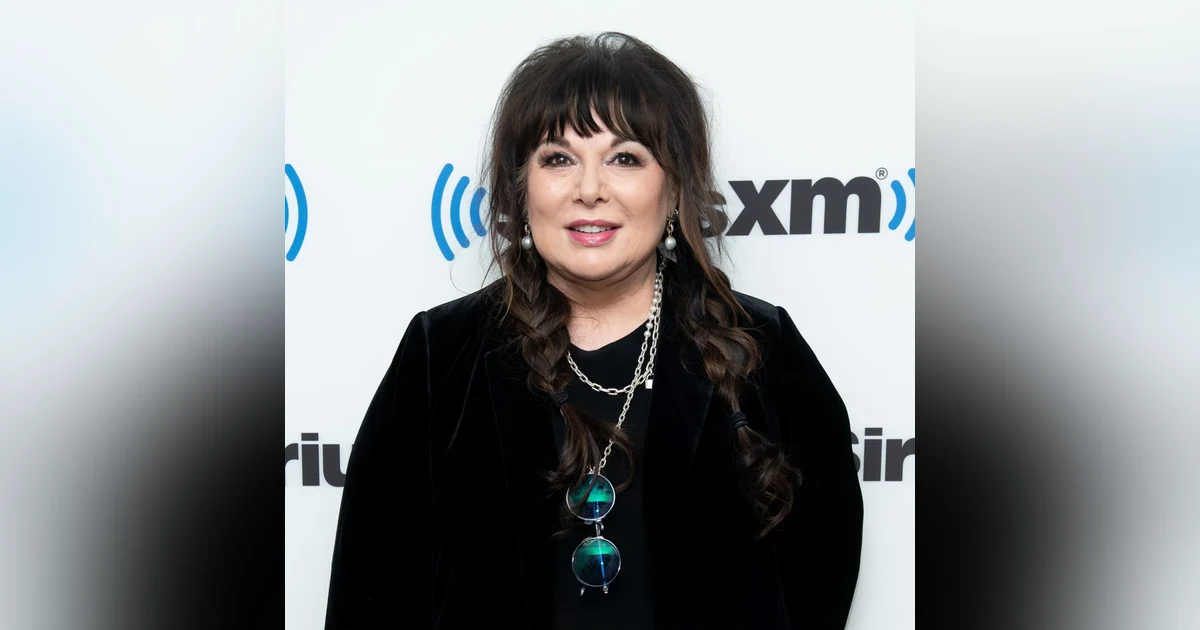
On this episode of the Cancer and Comedy Podcast, Dr. Brad Miller and Deb Krier use the story of rock legend Ann Wilson of Heart—and her new documentary “Ann Wilson: In My Voice”—to explore what it really means to find your voice after cancer changes everything.
From Brad’s days as a 1970s radio DJ spinning “Magic Man” and “Barracuda,” to Deb’s own journey as a professional vocalist who lost her singing voice after thyroid surgery, this is a conversation about music, identity, illness, and the courage to be seen as you really are.
With honesty, humor, and lived experience as survivors, Brad and Deb dive into:
- The moment in 2024 when Ann’s cancer diagnosis forced her to hit pause on her career
- That first shock of hearing “you have cancer”—the “insane period” where nothing makes sense
- How Ann used music as a lifeline, not just a job, to pull her forward through treatment
- Her “wig moment”: choosing to perform without a wig, even in a wheelchair if needed—no more “performing wellness”
- Deb’s parallel choice to ditch her wig, rock hats and beanies, and show up bald and unapologetic
- Why you are not your cancer—and how Ann insists on being seen as a full human, not just a diagnosis or an icon
- Sisterhood and long-term relationships: how Ann’s decades‑long bond (and battles) with her sister Nancy mirror the way families fight, fracture, and come together when cancer hits
- Redefining success after illness: from sold‑out tours to small victories like getting out of bed, making a show seated, or simply getting through the day
This episode isn’t a Behind the Music recap. It’s a real‑life playbook for anyone facing cancer, chronic illness, or any life‑event that blows up your old identity:
- See how even a rock superstar had to stop pretending to be fine and embrace radical authenticity.
- Learn why having something that pulls you forward—music, work, art, grandkids, hobbies—can change how you heal.
- Discover how to take back control of your story: hair, body, pace, appearance, and all.
- Get language for claiming, “Cancer is part of me, but it’s not all of me”—and mean it.
You’ll walk away with hope, humor, and a fresh vision for what it looks like to live fully, show up honestly, and keep singing—in whatever voice you have now—all the way through your own healing journey.
Deb Krier 0:00
Hey there, Lifter Uppers. I'm Deb Crear, the co-host of Cancer and Comedy, where our mission is to heal cancer-impacted people through hope and humor, something we like to call turning the grim into a grin. Well, today on Cancer and Comedy, Brad and I are going to talk about a new documentary about Ann Wilson from the band Heart, about finding your voice. What Anne Wilson of Heart teaches cancer survivors about healing, authenticity, and showing up. Well, now here is the host of our cancer and comedy podcast, Dr. Brad Miller.
Dr. Brad Miller 0:33
Hey, Deb, and all our lifter uppers, thank you for joining us here on the podcast, which looks to help cancer-impacted people to heal with hope and humor. When we say cancer, Deb and I are both cancer survivors of breast cancer in her case, prostate cancer in my case, and we kind of use that as the primary metaphor, but we also want to say that there are many things that eat us alive, which is kind of the definition of cancer in many ways, what that would teach you alive, and it can be like divorce, depression, a financial reversal, things like that. We think what we have to share is helpful in that regard, and we kind of use this in regards to that. We like to develop a community of like-minded people who said that no matter what bad thing has happened to us, we are not done yet. We're going to live a life that's full and to the very end, whether that's soon or many years down down the road, we are going to be a part of a life and a lifestyle that is fulfilling and leave a legacy that is all about that, and so we would love for our lifter uppers, which is what we call our listeners, to get connected with us and be a part of our community. You can always go to our website, Cancer and comedy.com/follow You can always leave us a message there as well. We have a place to leave a voice message and other places where you can reach out to us. We love to hear from you with your questions and comments about our episodes and to be a part of our community. Hey Deb, how about a couple of jet dad jokes to get us rolling. These might be a little embarrassing, though. I'm afraid. So,
Deb Krier 2:05
oh no, I'm ready.
Dr. Brad Miller 2:07
Oh, here we go. What did one traffic light say to the other?
Deb Krier 2:12
I don't know.
Dr. Brad Miller 2:14
Don't look, I'm changing.
Deb Krier 2:16
Cute, cute,
Dr. Brad Miller 2:20
somewhat similar. Why did the tomato blush?
Deb Krier 2:25
I don't know,
Dr. Brad Miller 2:26
because it saw the salad dressing
Deb Krier 2:30
cute, cute. I love it, I love it. Well, following our conversation, we're going to have another one of Dr. Brad's bad jokes of the day, but then, of course we do get serious with the very important faith it or break it segment. Well, as mentioned, we would love for you to be part of our cancer and comedy community, where together we can crush cancer with a message of how to cope with hope and humor. Please follow cancer and comedy at cancer and comedy.com/follow
Dr. Brad Miller 3:01
Well, Deb, I've been to one of our prior episodes that not too long ago I went to my 50th reunion of my high school class, class of 1976 and so I've been then a nostalgia kick since then, a little bit about all things 70s and 80s, basically, and during that era in the 70s and 80s I was in radio, I was radio disc jockey in both high school and college, and, and enjoyed that a lot, and and so I was kind of, I'm kind of a big fan of the bands and music of the 70s and 80s, I'm talking Fleetwood Mac and the Eagles, and you know, some sticks, some of the bands from that area, in fact, my wife and I still go to a lot of the oldie concerts when they roll around town of the other gray haired left, you know, leftovers from the 70s and 80s, we see that, but one of the bands that came to the forefront in the mid 1970s a band called Heart, and it was kind of unique because it was fronted by two sisters, two two women who kind of broke through the rock and roll glass ceiling, as it were, and they had, remember, they just had a big song when I was a disc jockey in 1976 and they're about called Magic Man, and several other Barracuda, and so other great, great, great, great, great, great, great songs, and so Anne Wilson was the lead singer, and her sister Nancy of Heart, and so that's important for our listeners to kind of get an idea that they were back in that era a huge band and a huge breakthrough as well. First of all, they were you a fan of Heart back in the day, or still are, maybe
Deb Krier 4:37
somewhat. You know, I grew up in the mountains, where the only radio station we could get was Country Western.
Dr. Brad Miller 4:42
There you go, but you, you know that they were huge back then. You know about that, and she was also known for Anne Wilson, who we're going to talk about here today, known for just incredibly huge fans. Fantastic voice, and so you know, and just hitting some notes that hardly but it can, and so that's we're going to talk about today is voice, because she has a new documentary that's out, it's called Anne Wilson in My Voice, and we've learned a little bit about that documentary, and followed her career since the 70s, and she's had her ups and downs, and so on, in her life, and she's known for a powerful voice and great music, and so on, but we're going to talk today about, among other things, how a couple years ago, in 2024 she had to hit the pause button into her career because she was diagnosed with cancer, and for a little bit she kind of dropped off the scene to kind of deal with that for a while, and I, I think I can relate to that. I kind of dropped out of the scene for a little bit myself when I was diagnosed with cancer. We're going to talk today about how she has chosen now in this documentary to talk about her life and her career in music, but also on how cancer has helped her to kind of reset her her life, and how's cancer diagnosis, how she's fought back from that, and part of her story is is about how she's navigated all kinds of things in her life, and how cancer is a little bit of a metaphor for that. So, do you have any kind of top level of reaction to what we're talking about here today?
Deb Krier 6:26
It was interesting, because I had no idea that she had even had this diagnosis, and I looked it up, and she still not said specifically what the diagnosis was, and you know that doesn't matter in the slightest, but it really was, it was a surprise, and I think it's one of those things where you know we always think, ooh, people like that are special, they don't get cancer, they don't get sick, yeah, they might have other problems, but you know, they don't get cancer, and I don't know how much of that is some of it, we think, well, you know, they've got so much better medical care, because they've got more money, right. And so it does always kind of surprise us when it turns out that, good gosh, they're human also.
Dr. Brad Miller 7:10
Well, I think it's one of the points I kind of wanted to make about this is that in 2024 she did kind of stop everything for a little bit, and that's one of the points she makes in her documentary is kind of the world stops,
Deb Krier 7:23
right?
Dr. Brad Miller 7:23
She did make a basic announcement that she had cancer, as you said, not specific, but she did say that she had surgery and had to go through chemotherapy and radiation, and so you and I both know that means it's a pretty serious deal then, and and she just said one of her statements was it was pretty scary, and you and I can relate to that as well, not any rock star, you know, bravado, that kind of a stuff, just kind of an honest acknowledge that this was a hard time, and so let's think about time when you and I were both first diagnosed, and we everybody reacts a little differently, but it definitely gets your attention, doesn't it? When you're first diagnosed, and in her case, it stopped her world. Do you remember when you were first diagnosed, kind of initial reactions, and how your world changed?
Deb Krier 8:17
Well, my first thought was, well, this is stupid, just and then I told my doctor, I'm sorry, I don't have time for this, right? And you know, she just kind of looked at me like you dingbat, but, but yeah, so what? What went through your mind?
Dr. Brad Miller 8:32
Well, my mind was basically denial, you know? You know, I talk a lot about how I laugh to keep from crying, and it kind of started what we do here at Cancer Comedy, but the laughter was just, you know, kind of a coping mechanism, you know. I didn't want to deal with it, I just want to laugh it off, because when other, when other bad things have my life, I tried to laugh it off, slough it off, and move on. Well, you can't just move on from this, you had had to deal with it, but I did go into denial for a period of time, and wanted to pretend like it was in my case, I was diagnosed right around Christmas time, and I really wanted to just kind of do Christmas stuff and ignore and let it pretend like it goes away, course, of course it doesn't, and but I think the point is that everybody reacts a little differently, but almost universally when you hear the word cancer, your world changes dramatically. It gets your attention, and and then you eventually have to deal with it. And Ann Wilson's case, she kind of went, you know, quiet for a little while, and then finally came out with some public statements about it. And so I think we need to be respectful to everybody's experience of cancer or other bad things that happen. There is a moment of shock. I like to call it in the book I'm writing, I call it the insane period, where your mind, where you just go insane, you know? You just kind of, nothing makes sense, your mind doesn't work right, you know, I. And so that's part of what I like to talk about there in that insane period, but you got to get through that to do other things, and so you got to find sources of your healing, and yours, my case, your case in mind, among many things, we found humor to be a part of our process, you know, and that's why we talk about therapeutic humor and other things we talk about here, you know, we've talked about laugh therapy and other things we've talked about here on this podcast, and people can check out our prior episodes to get a lot of details on a lot of those type of things, but in Anne Wilson's case, she talked about how music became a real force for her and helped her get through, and she mentions, and in her documentary, here now that she's kind of come forward to talk about her experience of music as a positive force, not positive force, not only as a distraction, which I think it's can be, and that's okay, but it's something that gave her energy and purpose and a reason to get involved again, and so does rack with me about that, but nothing about music, but other things that we can use to kind of motivate or gain some traction moving forward.
Deb Krier:
Well, you know, one of the questions people ask is, did you keep working, and you know, for me working was a way to keep my mind distracted, and of course, for her, music was work, you know, and, and, and I found it interesting because I, you know, I used to be a professional performer, I was a vocalist, that's how I partially got through college, things like that, and then when I had my thyroid surgery, they damaged my vocal cords, and I can no longer sing. Now, that doesn't mean I don't stop trying, right, and you know, and answer, and I just only have two notes, but, um, but yeah, I, it's, we have to find what works for us, but you know, how many times have we heard people say, you know, they've got their playlist before they go in, or you know, when you're in the big nasty MRI machines and things like that, you can listen to music, and I think music, especially, can transport us to another time and another place.
Dr. Brad Miller:
You know, I can't help but think that I, I guess, to do part of this story about you, but I didn't. I knew that you like singing choirs and things like that, and but so you have a musing and singing, there's a kind of performance level of it, whether you're in a choir or someone who's like a rock band, like Anne Wilson, but there's also, you can still sing regardless, you know, for your own, because
Deb Krier:
it's maybe only shower worthy, or you know, in the car by yourself, you know, that's, and I think that's something to, you know, whatever it is, for somebody to just keep doing that, because it's it brings joy to your life.
Dr. Brad Miller:
Yeah, I can't but think about, you know, this just what this brought to my mind is Linda Ronstadt and Sound of Music,
Deb Krier:
oh, Julie Andrews,
Dr. Brad Miller:
Julie Andrews, both of them basically lost their voices later in their life to various vocal diseases, and of course both of them were no one, as you know, just tremendous.
Deb Krier:
Julie Andrews not singing is just crushing, right?
Dr. Brad Miller:
Yeah, and as well as Linda Ronstadt, one of my favorites, and then I remember I hear both of them say it one form or another, and I'm just drawn from memory now about how you know the music hasn't stopped, they no longer record, but they, you know, their singing is now basically what you said, some somewhat similar, your experience there, that it's still a part of their life, you know, and that kind of what they're about, and you can sing. We have a different audience, so to speak, and that kind of thing. And so, in her case, in the case here of Ann Wilson, she discovered music as not only a performance but kind of a healing kind of a thing for her to get back and also to perform, and she mentioned in the documentary how Hart is back performing, and oh, they, they were here in my community, not in an apostle, not too long ago, they were here a couple months ago, and so that's kind of what pulled her forward in a way to get through some of the treatments and that kind of thing, so what do you think? In you mentioned work is one thing, but do you think it's good for people to find something to pull them forward, you know, art, hobby, something to kind of,
Deb Krier:
right? You know, and like, for you it's playing with your granddaughters, right? Yeah, absolutely. You, it's it's something that, as I said, brings you joy, so you know, I think it's important to, you know, to think I'm going to do this, maybe it's five minutes, right? You know, because maybe that's all the energy you've got, or things like that, but don't push those aside, and I've heard a lot of people who've said, I've always wanted. To do things like paint or whatever, and after they were diagnosed, they started painting.
Dr. Brad Miller:
Yeah,
Deb Krier:
now are they going to be Picasso? Probably not. Actually, mine would probably look like it brings joy.
Dr. Brad Miller:
Yeah, absolutely. I think it's fine, something to inspire, to inspire your life, you know, that kind of a thing. I also love what Anne Wilson talked about in this documentary, as we were preparing for our conversation here today about radical authenticity, and the way she termed that was her wig moment. And now I can't remember, Deb, you tell me, did you somewhere in Europe, did you lose your hair?
Deb Krier:
I lost all my hair, and I had a wig that was very similar to what my hair had been before. I put it on and went bleh. I mean, it was hot, it was itchy. This is Atlanta, and this was in the summer, and so I never even cut the tags off, you know? I donated it back to my oncologist for someone who might need it, and I just wore hats or nothing. I mean, you know, I was not concerned with that. Now, the weird thing is, once I had started networking again, I had someone who came up to me at a business event and pulled my hair to see I pulled like is an ouch,
Dr. Brad Miller:
that's that's that's rude, you know, that
Deb Krier:
was a little nervy, um, but yeah, it didn't, if for, for whatever reason, it did not bother me to, and I have some, and I still have them, very cool hats that I wore out a lot, you know, if it was something casual, then it was just a beanie, right? You know, because you're you lose a lot of your body heat, and so you do tend to want something. Yeah, it didn't bother me in the slightest to go when I just had a quarter of an inch of hair. I mean, that was one of those things,
Dr. Brad Miller:
is some people wear scarves
Deb Krier:
or, right,
Dr. Brad Miller:
you know, headbands, things, things like it. But one of the things that for Anne Wilson, she, she described the moment basically when she went back on stage,
Deb Krier:
right
Dr. Brad Miller:
initially the wig thing was she was debating whether to do that or not, and she said her one just wanted to read something that I wrote about this on the first night back on stage after treatment, she made a decision to take off the wig, to go out and stage in a wheelchair if needed, and to just be exactly what she was in the moment. No, no performance of wellness. I thought that was interesting. No pretending, and she described the experience as remarkably liberating. So,
Deb Krier:
right, you know, and it's interesting because when, when I read that part, I thought of your friend, the minister who wanted to go and give the blessing one last time at Easter, right, and he had to be helped to do it, but he was going to do
Dr. Brad Miller:
it absolutely, absolutely, and I think the word here that's so important is liberating now, especially a performer is used to performing, which is, you know, to whatever, putting on the, you know, the slinky dress and the makeup and the whole bit, and then booming out the voice, and she's saying I'm gonna get her in a wheelchair, and with, you know, no wig and no hair, if need be. I know that I've seen pictures, recent pictures of her, and she's mostly gray now, you know, and she's 75 years old, I think, in that neighborhood, and, and how she's just getting out there, anyhow, you know, and most of her performance is seated, you know, she's not in a wheelchair, but she's in a chair, most
Deb Krier:
energy levels lower,
Dr. Brad Miller:
and, and I think they make some accommodation for that, in terms of the songs they do, but she is still, I tell you, what, she's still belting that, belting out the songs, and that kind of thing,
Deb Krier:
and, and being human again, you know, I think it was last year, right, that Phil Collins was performing, and he had to sit, you know, and, and, and, you know, some people were like, what the heck, and then they realized he needs to, and so why shouldn't he, and I, and I think that's the thing, is why not, why, why are we thinking that, that you have to be strong and tough, and somebody you're not,
Dr. Brad Miller:
yeah, yeah, and then you know, I just think this word liberating is important here, and I think we all need to find our moments of liberation in our cancer, in our cancer journey, when we stop pretending to be fine and kind of accept who we are and where we are in the moment, you know, and I think that's an important and sometimes that's an aha moment, you know. Sometimes that's, you know, I've heard people, some people describe the losing their hair moment, where they knew they're gonna lose their hair, like right as we speak. My wife is having lunch with her friends, who is a cancer going through cancer treatments right now, and she chose when she started losing her hair to shave her head, you know. She, she kind of proactively did that, and that was one of her ways of kind of taking control of that situation. So, good,
Deb Krier:
right? Yeah, I did that. I was actually in the hospital, and a friend came to the hospital and shaved my head there, and it was so funny because the doctors in the morning saw me and I looked fine. The doctors came in the afternoon and I was bald as could be, and they were like something
Dr. Brad Miller:
happened, something happened. So good. Well, I think also once Ann Wilson kind of gives us something, she gave herself permission to do something that earlier in her life, you know, she just wouldn't have done, you know, there's a lot of things about how you look, and so on, and that kind of thing, and she said something, I want people to know the real me, not the performer, not the icon, she says I want people to know the woman who has kids, who has a husband, who has a private life, who's had struggles, ups and downs, and her documentary is a way for people to see, and that's one of the reasons she calls it her, you know, in my voice, where she's telling her story, and that kind of was something that someone else has done, so that's good. One thing is, I know you like to say a lot here, Deb, is you're not your cancer, and she was, I think, she was saying she's more than her illness, and I think that's so important,
Deb Krier:
and you know, and I often wonder with performers, especially as they age, and in particular women, you know, they still have that image, you know, so you know, are they still dieting and exercising and doing all of those things that they did in their 20s when they're in their 50s and 60s, and I think it was Renee Zellweger the other day said, Why are people so obsessed with my weight?
Dr. Brad Miller:
It has
Deb Krier:
nothing to do with how I perform.
Dr. Brad Miller:
Yeah, right, right. Well, I think that's important here, and that that's part of what you've seen, my true voice, the real, the real me, and you know, and Wilson broke through some glass ceilings as a female performer, as a musician. In some ways, I think she's doing the same thing now about how people accept her as a genuine artist at 75 years old as a cancer survivor, and showing some real courage to step forward after her mom, after her moments of being quiet, stepping forward. So say a word about courage to step forward after you've kind of gone through, you know, some of the bad stuff here.
Deb Krier:
Yeah, I think one of the things is we're worried we're going to disappoint people, you know, they expect us to be whatever it is or was, and we don't want to disappoint them, so you know, and I'm sure that was really what she was thinking, is she didn't want to disappoint her fans, but then, of course, she realized her fans love her no matter what.
Dr. Brad Miller:
Yeah, that's awesome. Well, something else I want to touch on before I close this conversation, and that is the relationship that Anne Wilson has with her sister, Nancy Wilson, and they started their band together when they were teenagers, and they're both in their 70s now, and you know, if you know a little bit about their story, they've had long history of what sisters do. You know, they've had rival rivalries, they've had great times, they've had bad times, they've had times when they weren't speaking to each other, they've had some really sibling rivalry type of thing, but they went through heartbreaks and tension together, reinventions of their personal lives and their careers, and so on, but they were still having the connection of sisterhood over the long term that's been tested by the cancer journey, but it's kind of brought them together, and that's I think that's the story of resilience, and I think long-term relationships are important to talk about here, and so you have any thoughts or comments about that, about how that played itself out here.
Deb Krier:
Well, and it's funny because I am an only child, and but I just had this conversation earlier this morning about, you know, someone who was saying that she always fights with her siblings, but heaven help anybody, you know, and I think that's the thing, is you know, you can have those sibling and even friends wobbles, but wait till something else, and maybe it's another person, maybe it's cancer tries to get them, and everybody bands together,
Dr. Brad Miller:
yeah. Well, it's yeah. and I just think that's, I think that's a significant part of what Anne is sharing in her documentary, you know, in her own voice, describing her important relationships, not only about music, and, you know, all that kind of thing, but about her sister and about other relationships in Kirk. Kids, and so on, that type of thing, and about her now, how cancer is put everything in just a different light, and so among those is kind of seeing how you can become a winner in different ways, not just selling records and being having a claim that way, but she talks about some counting small victories, she's back in the road to performing, and sometimes the victories are not some giant leap, you know, like you go from being an unknown band selling millions of records, that kind of thing, but it's, you know, getting out of bed, getting into the wheelchair, getting from the wheelchair to standing up, getting the wig on to getting the wig off to being honest about herself and trying to relate to those small victories that began to build up and helped her to navigate her cancer, and it's kind of like one treatment, you know, one next next day, one another night on stage. I think that's important for us to to understand about how we can all navigate cancer,
Deb Krier:
right? You know, and we do have long-term goals, you know. You've talked about wanting to see your granddaughters graduate from school, get married, have kids, all of those things. But sometimes it really is, I got through the day,
Dr. Brad Miller:
right? And
Deb Krier:
that's okay.
Dr. Brad Miller:
Well, the way Ann Wilson did, she goes, you know, kind of one night on stage, you know, the next night on stage, and I think, for, for instance, if I'm going to make it to my granddaughter's graduation or wedding, that's 20 years down the road, you know, I gotta get through, you know, my workout this morning that I went through, I gotta get through, you know, the next doctor's appointment I got, and then that kind of thing, and to celebrate those, and celebrate those things, and I
Deb Krier:
love that, celebrate those little things, don't think, oh, that was just, you know, some little thing, no, celebrate it,
Dr. Brad Miller:
yeah, let's leave it on this note, I think that's the most important note, and Wilson, I think she didn't name of her documentary in my voice. We all need to find our own personal voice. In her case, she had for a long time people kind of telling her what to do and how to look and all that kind of stuff. And now you know she kind of just says, all right, here I am, the genuine article, the real me, you know, everything here. And I think it's so important for all of us, don't you think, Deb, and we'd like your direction to find kind of who we are and share who we are in this, find our voice,
Deb Krier:
yeah, and we've talked about losing control, well, take back the control, you know, this doesn't have to run your life, you know, we mentioned I having cancer is just one small part of who I am. Take back whatever it is and claim it as your voice.
Dr. Brad Miller:
Awesome, awesome. Well, the name of her documentary, Anne Wilson, in my voice, and we'll put connections to that in our, in our show notes.
Deb Krier:
I love it. Well, folks, it's time to lighten things up a little bit with another one of Dr. Brad's bad jokes of the day.
