


 Apple Podcasts
 Spotify
  RSS Feed
 Reconstruction Realities: Body, Mind, and Marriage After Cancer
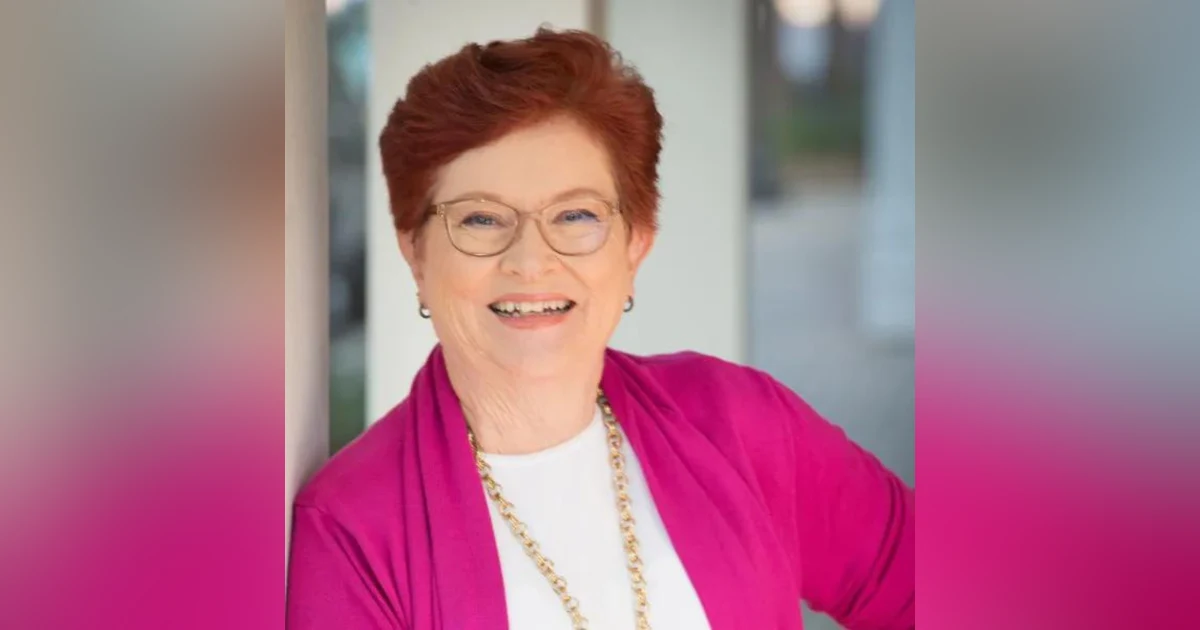
Dr. Brad Miller and Deb Krier tackle a deeply personal topic that many cancer survivors and couples experience but rarely discuss openly: rebuilding life after cancer surgery. Brad shares his experience with prostate cancer, the impact of treatment on intimacy and quality of life, and his decision to undergo reconstructive surgery. With honesty, vulnerability, and plenty of humor, he explains the uncomfortable, unexpected, and sometimes downright funny moments that came with the procedure—and why having a clear “big why” matters when making major decisions about your health and future.
Brad and Deb also explore Deb’s experience with breast cancer, mastectomy, and the personal decisions surrounding reconstruction. From choosing not to undergo reconstructive surgery to using external prosthetics, Deb shares the realities of adjusting to a changed body and finding ways to reclaim confidence and normalcy. Throughout the conversation, they emphasize that there is no single right way to reconstruct your life after cancer—each person has to make decisions based on their own values, relationships, health, and desired quality of life.
Brad and Deb explore:
- Brad’s prostate cancer diagnosis and the quality-of-life challenges that followed surgery
- The emotional impact of losing sexual function after prostate cancer treatment
- Why intimacy and sexuality deserve to be part of conversations about cancer recovery
- Brad’s decision to undergo penile implant surgery and what the experience was really like
- The unexpected and humorous moments surrounding surgery, recovery, and medical procedures
- How humor can help cancer survivors navigate uncomfortable and difficult experiences
- The importance of having a strong “big why” when facing major life changes
- Deb’s breast cancer journey, double mastectomy, and decision not to pursue reconstruction
- External prosthetics, body image, and adapting to life after mastectomy
- Why cancer patients need more open conversations with doctors and partners about sexuality and quality of life
- Reconstructing not only the body, but also relationships, identity, confidence, and everyday life
This episode offers:
- An honest conversation about the physical and emotional realities of cancer surgery
- A reminder that quality of life is an important part of cancer recovery
- Encouragement to talk openly with healthcare providers and loved ones about intimacy and body changes
- Real-life perspectives on reconstruction and the different choices cancer survivors may make
- Humor and perspective for navigating experiences that can otherwise feel uncomfortable or isolating
- A powerful reminder that rebuilding after cancer can involve much more than physical healing
Cancer can change the body, relationships, routines, and expectations for the future. But as Brad and Deb demonstrate, reconstruction can also mean reclaiming the parts of life that matter most—whether that means physical recovery, intimacy, confidence, connection, or simply finding something to laugh about along the way
Deb Krier 0:00
Hey there, lifter uppers! I'm Deb Creer, the co-host of Cancer and Comedy, where our mission is to heal cancer-impacted people through hope and humor-something we like to call turning the grim into a grin. Well, today, Dr. Brad and I are going to be talking about reconstructing life after surgery. So now, here's the host of our cancer and comedy podcast, Doctor Brad Miller.
Dr. Brad Miller 0:23
Hey Deb and all our lifter uppers, glad you're with us here today, here in Cancer Comedy. This is the podcast where we say that even if you have a cancer diagnosis or some other bad adversity in your life, you're not done living yet, and you just need some guidance and some direction and some ways to navigate life, and we like to call it navigating life with hope and humor, having a vision of what can be and what could be, and having a little lightness of heart about it. They help you get through it with a good attitude, and so that's what we call the we like to call this: turning the grim into a grin, and so that's what we do here at Cancer Comedy. We're developing a community of like-minded people who are dealing with adversity to get through it and live life to the fullest until the end of their life, and we'd like for you to be a part of our community. Just head on over to our community by going to cancerandcomedy.com/follow. Hey Deb, let's get into a couple of bad dad jokes of the day. You ready for a couple of?
Deb Krier 1:20
I'm ready.
Dr. Brad Miller 1:22
How do you know that an ocean is friendly?
Deb Krier 1:27
I don't know.
Dr. Brad Miller 1:27
It waves. It waves.
Deb Krier 1:31
Cute. I like that.
Dr. Brad Miller 1:32
What? One more. What did the mama cow say to the sleepy baby cow? Oh, it's pasture bedtime.
Deb Krier 1:42
Cute, cute. I love it. I love it. Well, of course, following our conversation today, you definitely need to stick around because we will have another one of Dr. Brad's bad jokes of the day. But then, of course, we have the very serious faith it or break it segment. Well, as mentioned, we would love for you to be part of the cancer and comedy community, where together we crush cancer with a message of how to cope with hope and humor. Please follow cancer and comedy at cancerandcomedy.com/follow. Well, Brad, I know you've had an interesting week. You know, speaking of humor and hope and things like that, tell us a little bit more about how your week has gone.
Dr. Brad Miller 2:24
Well, indeed, Deb, I've had an interesting week. Just a week or a little less than a week ago, six days ago, I had surgery, a reconstructive surgery, and it reminded me a little bit of a few years ago. Debbie and my wife and I bought a home that needed some reconstruction done. We re redid the kitchen of our home, and we just basically tore it down to the studs, more or less, and rebuilt it with new appliances and new cabinets and lighting and all kinds of stuff, and reconstructed things. And so, what you do when you reconstruct something, sometimes you got to tear it down in order to build it back up to a state that's different. Sometimes better, but always, always different. And in my case, I had a bit of reconstructive surgery in a way just a week or so ago. Now, a lot of people know from our stories, if you followed us at all, that you and I are both cancer survivors, and you're a breast cancer survivor. And we'll get into your story a little bit more here in a little bit. But in my case, prostate cancer is what I dealt with, and I was diagnosed in December of 2022, and and I didn't hand I didn't emotionally I didn't handle it too well initially, because I was kind of went into a funk, and part of the funk I went into at that point was because you know it was a life-threatening surgery or a life-threatening situation to be sure. And the doc said basically, if you don't have if you don't have surgery, if you don't take care of this cancer, you may have about three years, you know, and here we are three and a half years later. So we're living that life, and the other part that got to me as much, believe it or not, as much just about as much as the end-of-life issues regarding that was the quality-of-life issues because one of the aspects of prostate cancer is that if you have your prostate removed, you become impotent. And my wife and I had just retired. We were looking forward to life together, traveling, other things. We've been married 35 years, almost 35 years now, and I'll be doggone it, Deb. You know, being impotent did that sound like a lot of fun to me? And no, and and I just wasn't ready. You know, I was 64 years old and just wasn't ready for my life. With my wife in terms of her sexuality, to be over with, and it just wasn't. And I got to me; I'd play games with my head a lot.
Deb Krier 5:07
And
Dr. Brad Miller 5:09
Yeah, it's yeah. And she, Debbie, my wife, was very good about it and everything. But she was more concerned about me getting through living. You know, getting getting over the getting over the cancer, and but it put me in a funk because I thought, you know, what is the, you know, kind of, what's the point? There were several mental gymnastics I was going through, and long story short, when Debbie finally said to me something, "Well, you can't have sex when you're dead, and so that got my attention. That got my attention, and then I did put it off for several months. I'd had cancer; I had prostate removal surgery in April of 2023, and done very well since then. But it did. The ramifications were that I was impotent, and so that didn't work
Deb Krier 5:59
right anymore. Things didn't
Dr. Brad Miller 6:01
work at all, and nothing there at all. And so, I give our listeners just a heads up to today. We're going to be talking about some forthright things regarding
Deb Krier 6:12
everybody. Get ready to giggle. That's
Dr. Brad Miller 6:14
all right. Copy a 12-year-old
Deb Krier 6:17
girl.
Dr. Brad Miller 6:18
Oh goodness. Well, you know, but you know, things didn't work at all, let alone right. And in order for there to be any sexual activity whatsoever in the three and a half years, that meant drugs. It meant injecting a drug directly into my penis, and it was just like it sounds. It was not fun. It was not sexy at all. Nothing like that. It was nothing.
Deb Krier 6:50
No spontaneity.
Dr. Brad Miller 6:51
No spontaneity. It hurt. It was weird. You know, a chemical kind of weird thing, and it was not what I enjoyed at all. So fast forward to a few months ago. So basically, I've been impotent since I had the surgery three and a half years ago, and kind of that kind of impacted my mentality. To be honest with you, impacted our marriage a little bit. But Debbie's great about it. But I'm the one who's had some issues with it. But we had some conversations with urologists, men's health people, and decided this year to do, just a week ago, have penile implant surgery, and for those who don't know, penile implant surgery is where they, you know, take a couple of balloon-type things and put them right in your penis there, and they and then you know a bulb thing, a inflatable, it's like a tire pump almost that you is is implanted in your body, and they put it in there, and then that's your. It's a mechanical apparatus for you to achieve an erection, and it's a weird thing to do, but it's what we needed to do. And so I went in last week to have that have that done, and there are just several weird things about it. I remember going into the pre-op thing and having the doc and Debbie, my wife, you know, they hold down your pants and check you out and push around and everything. And it's, look,
Deb Krier 8:11
lose your modesty. Yeah,
Dr. Brad Miller 8:12
right. And just looking down to see this doc and my wife kind of close up and personal down there. It just was just. It was just. It was just weird, you know. And then going for the surgery, and then it's an outpatient surgery, a couple-hour surgery. But going for the surgery, they prep you up and everything, and and that's everybody's really nice and super at my local hospital, and they're doing all the paperwork and all that good stuff, and the people come in to see you. and the anesthesiologist comes in, and he's got he's got a Star Wars bandana, and I said, "May the force be with you, and and he goes right on, man. And so that was good. I felt good about him because he's a Star Wars guy, and I am too. Then the nurse who's kind of prepping me up says, you know, and we're going to send you home today with a keychain. And I go, a keychain. What do you mean? What do you mean by a what? You know, I know. I think I thought maybe we might get a T-shirt or a mug with the hospital logo on. To me, but it turns out she was talking about the actual pump that's put in my body, but I get a free one that I get to take home to practice with, and so I show a picture of it here to some people who might want to see it. But I
Deb Krier 9:31
hate to say this, it looks kind of like a pacifier.
Dr. Brad Miller 9:34
It's it it it's it's a weird-looking thing. It's about the size of a I call it the size of a couple Lego blocks, but it's shaped differently, like a pacifier. That that's right. It's a pacifier. Now I think about it's going to pacify my libido, whatever, you know. That's what it's for. But it just struck me funny that she said we're sending you home with a keychain. You know, like a souvenir. You know that that that. Been there, done
Deb Krier:that off the t-shirt,
Dr. Brad Miller:that that kind of thing, and then of course she said there under instructions you can't, you know, you can't drive a car, you can't do any, can't can't do any drive, you know, earth moving equipment, which was was had my plan. It was I told her I was gonna, I was gonna, you know, get a bulldozer out, and then I told her I was going to take a ride on my unicycle after the surgery; she didn't. She got a chuckle out of that. But anyhow, we were going to the surgery, and this big guy named Mike was one of my nurses. He struck me funny because he had this cool kid headband on, and he's a big guy. But he had a big beard, and just the most gentle voice ever; it was really calming to me, and all that, you know. My wife asked me later about, you know, how I felt about having all these people, you know, all these people, women included, looking at me. They got in the operating room, and I got about nine people; six of them were women. I said, "Well, you're out there to the you're open to the world there, and but they're they're more concerned about talking about the Dancing with the Stars that they saw the night before, and they even asked me who my favorite. I say, hey, I'm a Guillermo guy. Was one of the guys on that show? I
Deb Krier:Like Guillermo,
Dr. Brad Miller:and so you know we had some fun with that. Then they knocked me out and that kind of stuff. And the next thing I know, I'm coming back out of the surgery, and then I immediately noticed that there were some things different about about my body as I came out of surgery, and the way I kind of looked, you know, as I came to a little bit. The of course they asked me some of the questions about nauseous and all that kind of stuff and pain, that kind, that kind of thing, but I just notice a sensation in my groin in my area down there, and I go down, just kind of look down there, and first of all, you know, I'm not, I'm not as hey, there, there it is, you know, it's, and I am fully erect, you know, I mean, and with a huge bandage, huge gauze pile around it, and it's just one of the weirdest things in the world to me, at least. After being totally nothing for three and a half years, all of a sudden, full attention. There we are, and there it is, sticking straight up in the air, and with just this gauze bandage and just the very tip of my penis sticking out of it, you know, like I don't know, like some. It looked my image was I had an issue of a mushroom and moss for some reason. It was just I know it's weird, but that's what went through my head, you know- and just went through went went through there, and so we and just looked down there, and there was, you know, a tube coming out of me with a drain and this kind of thing and other kind of stuff, and so I got the recovery, and very nice about it. But that was a surprise to me, Deb. That, for some reason, on all the prep, I was somehow not expected. Well, they probably told me, but there it was, and what I didn't know was that I was going to be at full attention for a while. And Mike, the nurse guy, the nurse told me that said, "Yeah, you might have some issues here with urination, because you know, just the reality is most guys can aim a little bit, but now I'm at full attention, and so basically, I had to be careful not to decorate the bathroom, if you know what I mean. And I, and I, I found that out the first time I went went to the bathroom, and I had to find some new ways to control things, and and because it turns out that I'm in this fully erect state, in other words, the balloon is fully inflated for the three days between the time of the surgery when you go in to have the unpacking done and go, yeah. And I did not, for some reason, I didn't get my head around that, and so literally, I guess, but they, they, but they went in three days later, and of course, we kind of did the same rigmarole again in the sense of the aftermath, except this time there was a nurse who was going to take this padding off and help me kind of test out this pump. So there, I, I, you know, the nurse is very nice. As a matter of fact, she, she, she was, she was wonderful, but you know, it's still. I look down and there's my wife and this nurse, and I think her name was Nancy, nurse Nancy, and and they're down there and they're unwrapping everything, and then they're poking around in there. Well, actually, yeah, yeah, and taking this pump, this to drain out other things, and patching me up. But she's testing out the pump, and what I didn't know is that I thought maybe I'm gonna get some relief because three days fully erect; I thought maybe some relief.
Dr. Brad Miller:But well, they bring it down a little bit, but basically they leave it at half mast, so to speak, full. And I go back in three or four weeks for the final review, and so you're erect. Instead of being nothing for three and a half years, now I've got nothing but for three weeks. And that's right, and also, you know, you're also instructed to have no sexual activity for three weeks, three weeks. So come, it's like, okay, this is not fair, but it is what it is. So
Deb Krier:is it
Dr. Brad Miller:funny? Yeah. So that's kind of what my experience was, and we got home, and then I had a lot. I had some fun. Was I? I was home within four hours, but I got home, and I texted. I actually let my three adult children know what was going on, and my two sons, adult sons, were, you know, hey, way to go, Dad, and that kind of stuff. My adult daughter was, you know, a little more demure about it, you know, like get better soon, that kind of stuff. My boys were anyhow, but I about
Deb Krier:that with her dad. No, that's
Dr. Brad Miller:right. But she just said, "Get well soon. That kind of stuff. But anyhow, I texted all three of them. I got home just faced. I'm doing okay, but I got a yearning, an urge for a soft pretzel, and it was just something dumb that I said. You know, I put it, and I put a little emoji thing on the text of a pretzel, and I'd be doggone if my son, who lives in Portland, Oregon, didn't call DoorDash and get our local soft pretzel shop here, and deliver me, you know, two bags of soft pretzels, including one with a hot dog in it, which was his way of being funny to his dad.
Deb Krier:I know these boys, these yeah,
Dr. Brad Miller:and so I just thought that lightened my, like, it made my day that he was that thoughtful enough to make that happen, and made me do. But what led me to think about? You know, I went through this process. Why did I go through this? It's about reconstructing. What I want us to talk about here is kind of reconstructing; surgery is partly about reconstructing your life. Right. When you have reconstructive surgery or reconstruct aspects of your life, you have to make some decisions regarding relationships. You have to make some decisions regarding not only your health, your physical health, but your mental health, and your relationships and how you navigate the world. And so, I just think there are some teaching points that we can share with people here, and I think they're relevant. And I think the kind of the one overriding thing that I wanted to share with our lifter-uppers is you've got to have a big why. You got to really want to do this. You know, in one regard, when I had my cancer surgery, there there was that was a life-or-death decision. Really, it truly was. That's the way I looked at it. And even then, I hesitated because of the quality of life issue. This decision was actually optional, and I've known people personally who have opted not to take extreme measures anything regarding ED or their impotence after prostate surgery. I know people who've done that, and they're happy with their decision. And in my case, I knew that the quality of life that I wanted included sexual intimacy with my wife. We've been married 35 years, and I just wasn't ready for that to end, and so that became a part of it. But it also meant that big why meant it was different, in that I had to come to terms with it and legitimize it in my life, and to understand that that big why meant that decision had to override the consequences of what's going on because the consequences include all this. I wasn't all that embarrassed about it, but all these weird situations that I've had to go through medically, but also intimately. You know, now moving forward intimately, I've got this apparatus in my body, this keychain in my body, and there will be some manipulations and things like that, which are not spontaneous, but they are part of life in terms of our sexuality. But it also involves how it impacts my relationship with my wife and feeling better about myself emotionally; even though I've got some healing to do, I'm in a better place. I really am better than I was a few weeks ago, and so I think that's one thing I want to share with people. Whatever, you know, cancer and other things often mean surgery or a change in lifestyle, and you've got to have your big why about why you want to do it, especially if there's some reconstruction to do, either actual, physically, or you know, in your mental state or relationship state. And so, Deb, I, I, I know I've kind of blabbed on here for a while, but I know you have your own kind of story about how this type of thing has impacted you. So, tell me about this. How's Rick? How is.
Deb Krier:Right. Well, you know, first I want to talk about the fact that this is something we don't talk about. Yeah. You know, right. You you you might talk about it with the boys, right? But in general, you know, we don't talk about it, and it is something, you know, sexuality and sexuality issues are, you know, something that happens a lot with cancer surgery, and it doesn't matter, you know, what it is. Sometimes it's more the fatigue. You know, there are obviously surgeries where those body parts are removed, you know, and don't work any longer. But we don't talk about it, you know. We don't talk about it with our partners. We don't talk about it with our doctors, and so I think part of why you and I wanted to talk about this was to normalize it and and to say you know hey you know talking about that is just the same as saying am I going to be able to eat what I used to eat yeah you know and and things like that and and I but as you were talking I do remember you know impotency isn't always something that's going to happen. It is, you know, it does happen frequently. But many years ago, I've I I've shared, you know, many years ago, I worked for the American Cancer Society, and one of the things that I did was the newsletter that went out to to everybody, and you know, I whatever month you know prostate cancer awareness is, you know, we were going to have a lot of stories about it. So I'm sitting in a restaurant with an older gentleman, and I remember thinking he was old, and he's probably our age now, right? Because this was, you know, 40 years ago, and he's telling me, you know, about his journey, and very loudly and very proudly he exclaims, "And I'm not impotent! Everybody in the restaurant turns around and looks at us. Yeah,
Dr. Brad Miller:Good for you, buddy. Yeah, good for you. Be
Deb Krier:his granddaughter, and I think they were thinking, "Go, dude, go. But you know, we don't talk about it. We just don't talk about it in general, right? You don't talk. I agree. Light company.
Dr. Brad Miller:That's right. That's right.
Deb Krier:You know, and so my journey is, you know, in a lot of ways very similar. You know, I was diagnosed with breast cancer, and I had decided, you know, I had the discussions. What type of surgery was I going to have? Now, you know, a lot of times you you know, women can, and men too can also just have a lumpectomy, partial things like that. I had decided to have a full mastectomy on both sides. Okay, I did not want to worry about that other side. I didn't want to be lopsided. You know, all those various things. Okay, so reconstruction did come up as to to what you know what I was going to do, and so I talked with other women who had gone through reconstructive surgery, and and there's numerous ways that they can do that. But I did go meet with a plastic surgeon, and this was probably one of the funniest visits out of, you know, all of my hundreds, 1000s of visits. Now, I swear he is the person who does the boobs of Atlanta, right? You know, the nicest doctor's office I had ever been in. I mean, this guy got a lot of money, and he was very nice. He was very professional. His staff was very professional, and the discussion that we had was not to do any type of artificial implant. So, you know we've you know there there's silicone, there's gel, there's, you know, there's all sorts of different types of implants that can be used. But he said, you know, what he would like to do with me was natural tissue. So he was going to take fat from my abdominal area and just move it, right?
Dr. Brad Miller:Wow, wow,
Deb Krier:You know, and so you know, my first thought was, "Cool, I'm getting tummy, right? You know, but then he measured with calipers how much. Oh, this was just, you know, it was kind of mortifying. I mean, out of everything that I did, for some reason, this embarrassed me more than anything. He measured how much stomach fat I had, and you know, and you know, we were laughing about, hey, you know, this is a weird way to do liposuction, but you know, and there was enough fat there that you know, and and and you know, I mean that that is the preferred way because you're using your own body, right? Because a lot of times, what happens when you're putting any type of foreign object in your body is your body can say, "Nope, don't want this here, you know. And so, you know, they do try to do that. And I went home, I thought about it, and I thought, I am old. I do not need those any longer. Yeah, it's not, you know, it's not like I'm 20 and trying to catch a man, right? Okay, and so I chose to not have any reconstructive surgery. Okay, you do have to make those decisions very early on, because from a technical standpoint, you know what they did with me is just that everything is gone. I mean, there's no excess tissue. Anything like that? If you're going to have implants, they have to leave skin in in order to to later on.
Dr. Brad Miller:Oh, okay. So okay, I I this is something I did not know. I've known plenty of people
Deb Krier:same times.
Dr. Brad Miller:I've known plenty of people who have had mastectomies and even reconstructive surgery for you. I did not know this was kind of a prep. So
Deb Krier:they they basically put a little cage in there that's you know, and and so you know so you heal around that, and then they remove that, and you know, obviously there are different types of surgery, and so please, you know, anybody considering this, talk with your doctors, but then they remove that cage; your skin still, you know, doesn't have to be stretched. It's still there, and then they put the implant in, and the whole thing. I just really thought, no. I mean, it was you, and you know. And then there are things like when they when they do it. You know, I mean, you were very open about what you were saying. So here's, you know, here's the good, the bad, the ugly of that: you no longer have nipples,
Dr. Brad Miller:okay,
Deb Krier:and and you know, and no matter what, they wouldn't have any sensation, right? Because all that is gone, right? And so I actually talked with someone who had reconstructive surgery, and it bothered her that she had, shall we say, Barbie boobs, right? Okay, right, Barbie, right? Yeah,
Dr. Brad Miller:I got you,
Deb Krier:Yeah, yeah, and so she had cadaver nipples.
Dr. Brad Miller:Oh my goodness! I've learned I'm learning a lot today, Deb. I'm learning a lot, you know.
Deb Krier:And so they did not do anything, you know. You mentioned, you know, flag it half-mast or, you know, all those things. She always, as we would joke, had her headlights on all of us.
Dr. Brad Miller:Oh my gosh! Oh my goodness! Oh wow!
Deb Krier:You know that was, you know, and but there was no sensation there, so you know it wasn't like before. Yeah, you know, when you had sensation, and yeah, and I thought, okay, I had no idea that was something that could even be done. I mean, I just thought it was different. Well, but you know the point that we're talking about here is each person needs to make their own decision, and so I did decide, as we said, to not have reconstructive surgery. But in most cases, women's clothes are made for somebody to have a bosom, right? Yeah, right. All those things, and so they they don't fit right. And so I decided to do external prosthetics.
Dr. Brad Miller:Okay. And this is this whole funny thing, also. So it's just kind of another way of looking at reconstructive, but not physical body, but it's your approach.
Deb Krier:I got the keychain on the outside.
Dr. Brad Miller:There you go.
Deb Krier:Right. And so you know, and so I have my samples here, so everybody, get ready to giggle, so these are the ones that the insurance company paid for; they're like these plastic
Dr. Brad Miller:wow okay
Deb Krier:wow they yeah um they they are plastic so they're hot and um you know, and so I don't, I don't normally do those. So this, this is what I prefer, is, you know, this little pillow is basically, it
Dr. Brad Miller:looks like knitting or something like that. It
Deb Krier:is, it is called a knitted knocker. I love
Dr. Brad Miller:it. I love it. Okay,
Deb Krier:and much lighter, you know, all sorts of things, and so, and you do typically have a special bra with a pocket that these things go into because you don't want them traveling, you know, you don't want it up on your shoulder, you don't, you know, all these. You
Dr. Brad Miller:don't want to have one of those things. You drop down your pants or whatever, right? Yeah, okay.
Deb Krier:Or a friend of mine had these, and um, and she she went swimming, and so she had these plastic ones, right? Because you went swimming with the pillows, and her swimsuit did not have the pocket, and she said she's they're swimming, and she looks up, and her boobs go floating. Oh my
Dr. Brad Miller:gosh!
Deb Krier:I know, I know. Yeah, these things that we go through, and but of course, me being me,
Dr. Brad Miller:cow cars.
Deb Krier:We have to have humor in all of
Dr. Brad Miller:yes.
Deb Krier:You know, it was one of those things where I named mine right, and so I, okay, one for each side. All right. So the ones that I'm not really fond of are, you know, that's Thelma and Louise, and the ones that I like that are soft and pillowy are Lucy and Ethel.
Dr. Brad Miller:That's awesome. That is awesome.
Deb Krier:Long ago, somebody said, "Well, you know, you could also do Laverne and Shirley.
Dr. Brad Miller:Oh my gosh!
Deb Krier:You know what we're doing here, folks, is we are really showing that yes, this is very serious, and we, you know, but it can also be funny, as I'll get out.
Dr. Brad Miller:Oh yeah,
Deb Krier:You know, and so I have people who, when I, you know, they will say, "Are you wearing Lucy and Ethel today? And everybody else is like, "What?
Dr. Brad Miller:Wow. That's cool. Hey, was there any? You know, I mentioned I had kind of like a moment when, yeah, nobody told me this was the way it's going to be. Did you have any moment like that? Kind of like nobody told me it was going to be this. So tell me about going
Deb Krier:through all of this. You know, and I think it comes back to we don't talk about it, right? You know, I had no idea that they literally, you know, when they did the mastectomy, would take me down to skin and bone. There is nothing there. The muscles are gone. Everything is gone. And so it's, you know.
Dr. Brad Miller:So, like, could you feel your rib cage? Like if you, like, if you touch, you could feel your rib cage pretty easily. Okay,
Deb Krier:You could see my rib cage. Oh really? Because there's yeah there's there's nothing there, and it's funny because a lot of women who have gone through this now call themselves the flatties, right? Okay, because you are you are just completely and totally my stomach sticks out further than my chest, you know- and but you know it it it you know it's it's exactly what you were saying with your wife Debbie. You know, I talked to my husband, and he said, "You do what is best for you. Yeah. And there are times when it is a challenge.
Dr. Brad Miller:Yeah. Well,
Deb Krier:Not being able to do some of the things that we used to be able to do, and that can be you know, very upsetting.
Dr. Brad Miller:Well, it sounds like you mentioned your husband. I mentioned my wife, and that's a part of what I want us to talk about here for a minute. That, you know, when you talk about reconstruction, it's not just about your body. It's about your relationships. It's about your mental health, your spiritual health. It's about all these things. But I know in my, in my, and in this case, you know we are, you know, when you talk about breast, you talk about your penis, you're talking about sexuality, which is part of a marital your part of your marriage, and and it's it's so important to have these conversations in a forthright manner. We've been pretty forthright, you and I, here today. We know each other well enough. We can have these forthright discussions about, you know, keychains and Laverne and Cherno; it's not Laverne and Cherney. Laverne and Cherney is what you didn't name them,
Deb Krier:right? Lucy and Ethel.
Dr. Brad Miller:Lucy and Ethel about Lucy Neville, and we can have some fun with that. And definitely Debbie and I have had some fun with this, but it is serious as well because you know she is you know, she's had to remove some drain stuff, and and we had once episode where some of the some blood went over the pillow and everything like that because the the drain didn't work right, and so we've had to, you know, there's no faking it here. This was real life stuff, you know. There it is. We're not performing for it, as you said. We're not kind of, you know, dating or that kind of stuff. We still date. We have a date day, but we, you know, we know each other pretty well, including our emotional life, our physical life, you know, our intimacy life, and it's the idea to keep doing that, but also going to a different level. When you reconstruct something, it goes. You know, it's just a different place. It's a different place, and you've got to go with it. And you kind of learn. It's a new anatomy. You know, new stuff here is, and just got to be real about. There's going to be some awkward moments, some learning moments, and I think, in many ways, it's brought us closer together. In my case,
Deb Krier:right.
Dr. Brad Miller:And I think part of what we're saying here, you can't do this in silence or to yourself. You need to be in communication. You need to engage with the other party.
Deb Krier:You know, and if you're single and and going through this, which obviously you know is is with an awful lot of people, you might you know that you might need to be talking with people, but you also need to know what you're going to say when you get a partner.
Dr. Brad Miller:Yes,
Deb Krier:You know, and and and you know maybe it's a one-night stand, you know, or maybe it's something that's
Dr. Brad Miller:Everybody's got their own path, but you got to communicate that in some form, form, or another.
Deb Krier:Just an FYI, when I take my shirt off, right? You know, and so, but you know, hopefully, you'll have had that discussion with them, you know, much earlier, and you want to, you want them to not be uncomfortable also, and I think that's one of the big things is, you know, back to we just don't talk about it. Well, you want your partner, whether it's, you know, long-term or short-term, to be comfortable being able to talk to you about it, to say, you know what, it's okay to just cuddle tonight, or you know, let's try something different. You know I mean, there's, you know, whatever that discussion is, you want that partner to be comfortable being able to have that with you.
Dr. Brad Miller:Yeah, there's really no secrets in the new normal. You got the new normal means you got to do, you know, I mean, just to go back to the analogy of of redoing remodeling our kitchen a few years ago. We had to have some Discussions with the guys doing the remodel about what's going to take rewiring here and so on. You got to have those conversations. We actually did so, but yeah, that was something else. But I think what I want to add part of this is research as well. You know, I know Debbie and my wife did a lot of research on that, and I did too. I talked to my own personal doctor. You know, a lot of people are satisfied with the type of surgery I had, and it's been very safe. And I think, you know, I think you, health-wise, you've done pretty well with your mastectomy and so on.
Deb Krier:Yeah, it's funny. I mean, you do need to know that there can be complications, and your surgeon should be talking to you about that. I did have one because, of course, on me, where I, you know, it was probably two weeks after the surgery. I had a blood vessel in my chest rupture, and you know, and so I was bleeding internally. And I looked down and went, "Cool! I knew I grew a new boob. Of course, it was not in the right spot, and it was not normal, right? Yeah, and so you know, off we go to the hospital where they, you know, they drained it and did everything. But yeah, I mean, you know it's there are things that can happen. So you want to know the good, the bad, the ugly. You know, just in case things don't work out. You know, especially you know we've we've talked with you know breast reconstruction things happen, and you know, and and so you need to be able to know. Okay, this is normal. This is not. Oh, this means we got to go to the emergency room. You know, things like that.
Dr. Brad Miller:Yeah, and that's kind of. And also, things come to your attention. You know, somebody pointed out to me a week or so before the surgery I had. You know, somebody in some European country or some place had some sort of a penile implant surgery. They went to Ryan. They ended up dead. So you know you you did that kind of thing. But I think I don't want to bring us around to this here, Deb. That there is the reconstruction that we see. You know, the obvious remodel, as it were, of our bodies, and then there is the, hey, I just, you know, and then there is the reconstruction that nobody sees that is real as well. That, you know, it is that mental health thing, that relationship thing, and really the physical part in some ways is the easy part because that's I will, in my case, every expectation I will heal physically within three or four weeks- but then, you know, the idea is to be ongoing in the relationship moving forward, and so the emotional part of it. And I just want to encourage people to prepare themselves emotionally for transitions in your life and reinvention, as it were, when you have cancer and other things like that, it is a shock to the system. But, but you know, if you can be emotionally grounded, if you can be spiritually centered, if you can have good relationships, whether with a spouse or some support group or something like that, those are all important and kind of help you try to make some peace with it, moving forward, and I think that's the ongoing piece. I think are important.
Deb Krier:Yeah. No, and remember that there are, you know you you can have all sorts of things. I mean, you know, I was just thinking, you know, what if somebody has an ostomy bag?
Dr. Brad Miller:Oh yeah,
Deb Krier:that's that's going to change, you know, some things, and you know, and you know we're not going to joke here. We're all getting older. Spontaneity kind of doesn't exist anymore. That's right. And you know, and this is just kind of part of that process.
Dr. Brad Miller:Well, you got to learn new things. You know, I've known people who've lost limbs and had prosthetic limbs. You know, arms and legs. They have to learn how to walk again, or they have to learn how to use a prosthetic hand again. It's kind of like that, you know. People who have had facial reconstruction have to find a new way to accept their look and things like that, or talk again after some reconstruction after reconstructive surgery on the mouth or tongue. I've seen that as well, and that's just that. It's the same kind of situation, but wearing a different. You you you're still the same. You're still the same person, but you are on your path is remodel has has remodeled. I like that. I like that too. So, Deb, I want to say that I appreciate how you've handled all this kind of stuff. Because even when I first met you, three and a half years ago or so, maybe more like four years ago. But anyhow, you modeled then someone who was able to share forthrightly about your physical situation to try to help others, and that gets what we're trying to do here. And I want to go back to what I said earlier, and I think where we tried to do here. My original state in this whole situation was that I was in a funk. I like to call myself the grump. In that, when I was in that state, I was the grumpy. Man and I wanted to become the and I and in order to become a happy grandpa or happy husband or happy happy man I had to do some things to change my and physical state was just one of them mental state emotional state relationship state were as a part of it too and and I wanted to figure that out, and I decided I really wanted to do that with with the woman that I love and have chose to spend my life with. And so, yeah, it means things are different. It means I'm carrying a keychain around in my body, Deb. And what happens
Deb Krier:when you fly? Does the airport? Are they going to fly?
Dr. Brad Miller:Oh, actually, no, no kidding. I have a card I got to carry in my wallet that says I've got a medical apparatus in me, and supposedly it's not supposed to send anything off. But I've got that thing there going on, and so I just wanted to share that that you know, things change, but they don't have to end. You don't have to give up on your life, and certainly that's not what we're about here. And so, what kind of a final thought would you like to leave our listeners with here today? And then I'll wrap us up, Deb.
Deb Krier:Right. Well, you know, I will say, talk to people. You know, talk to people who've been through it. Make sure you talk to your partner. You know, to your doctors, and yeah, it's okay, and it's it's okay to feel bad. It's okay to be upset, to be angry. That's going to happen, you know. But but you can change, but it only comes about when there's communication.
Dr. Brad Miller:Well, thank you for sharing. The communication is so crucial and so important. I would just kind of leave our lift Robert with this thought, and here's kind of what I want you to take with you today: that cancer and other adversity are notorious for wanting to take something from you. Is want to take a piece of your body, your self-esteem, your love of life, your love of laughter. It it it can ruin marriages and ruin relationships with your kids and grandkids if you let it. It'll take all that away because it's a cancer is an evil, insidious thing that, by definition, is one to eat away at your life. And we're not I'm not only talking about physical cancer like you and I have had, but you could have messed-up relationships, other things like that, and you you you got to choose to, if you want to. You really got to have the big why to choose something, do something about that, and because you can only let something take something away from you that way. But you choose whether you're going to put something back. You choose whether you're going to have if you're going to let that thing be taken away and ruin, ruin your life, and so that's where you can choose to reconstruct or remodel your life to have a better life, a good life. That's not the end of the story. It's just a new chapter in the story. It's a new way of looking at things. It's a it's not just a fresh coat of paint. It may be, you know, a new refrigerator and all the other stuff that comes along with it, and guess what? You and I and you lifters, we get to write the story. We get to have a part to play in it. It's not just done to us. So it's not only about reconstructing or remodeling the body, if we can. But don't stop there. Let's also work, my friends, on remodeling and reconstructing our mind, our relationship, and our spiritual life, and that's the whole job. That's the whole task. Because once we get remodeled, we want to enjoy what we've done.
