


 Apple Podcasts

 Spotify
 RSS Feed
From Pulpit to Purpose: Dave Scifres’ Journey Through Cancer, Coaching, and Hope
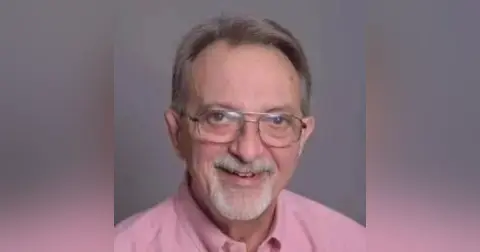
Dr. Brad Miller talks with Dave Scifres, a retired pastor and wellness coach, about facing Waldenstrom’s, a slow-moving type of non-Hodgkin’s lymphoma. Dave shares how a doctor’s calls over a weekend left him anticipating difficult news—and how he still preached that Sunday before learning his diagnosis.
Dave describes beginning monthly chemotherapy soon after diagnosis, the frightening allergic reaction he experienced during treatment, and the long appointments that eventually led him to step away from active ministry to focus on his health. Along the way, he found time for prayer, scripture, and support from his wife, fellow pastors, and friends.
Brad and Dave explore:
- Dave’s transition from a manufacturing career into pastoral ministry
- The anxiety of waiting for a diagnosis and continuing to serve through uncertainty
- The realities of chemotherapy, including a serious reaction and lengthy treatments
- How illness deepened Dave’s spiritual life and brought support from his community
- Dave’s sense that the next step was first to rest, and later to be helpful
- How his experience led him to wellness coaching and Real Being Coaching
- Dave’s advice to assess your hope and look for ways to strengthen it during adversity
This conversation offers encouragement to make room for rest, stay connected to supportive people, and take a next step at a pace that fits your circumstances. Dave’s story is a reminder that a difficult season can change what comes next—and that small, purposeful steps can help people move toward renewed meaning and connection.
Dave’s coaching practice, Real Being Coaching, works with people navigating well-being, leadership, recovery, and life challenges. Find Dave Scifres on LinkedIn or visit realbeingcoaching.com. You can also reach him at coachdave@realbeingcoaching.com.
Dr. Brad Miller 0:00
Hello, good people. Brad Miller here with the Cancer and Comedy Podcast, where we like to offer a sense of healing with hope and humor for people impacted by cancer and other adversities in life. And part of what we like to do is to talk to people who have faced adversity, in particular cancer, and have gotten through that with their own strategies and methodologies, especially if they have a bit of a positive attitude towards life, and then have something to offer to us. So I'm pleased today. I have a good friend of mine, Dave Scifres, who is a pastor in the same community that I live in, the Indianapolis, Indiana area, and he's with us. And he has a coaching program that we'll talk about a little bit later on. It's called Real Being, and we'll talk about that. But right now, like, you know, welcome, Dave. Go ahead, welcome to our conversation today, my friend.
Dave Scifres 0:51
Thank you.
Dr. Brad Miller 0:52
It's good. Good to be with you. Well, you and I go back a little bit. First, I'm a retired pastor, and you're a retired pastor too. Just give us a little context about your life in terms of what you did in your life that kind of led you into ministry, and then a little bit about your ministry career.
Dave Scifres 1:09
Sure, I'm a native of Indianapolis, Indiana. Grew up on the northeast side, and went to Ball State for architecture, and found I didn't really have the artistic flair for that, and got into industrial technology, and that led me into an initial nearly 20-year career in manufacturing in the food and beverage industry, and so several different assignments in maintenance, engineering, operation, and and then finally in the organizational design side of HR, and we did a lot of work in this particular facility with high-performance work systems, collaborative teams, and at about that same time, after a pretty long hiatus from from church, my family started going to church again. I went on a walk to Emmaus, and suddenly there was this realization that W. Edward Deming was not the first guy to put together a high-performing, high-commitment work team. There was this guy named Jesus, and he brought 12 people together and did some amazing things. And it was kind of through that realization that I felt God's call into pastoral ministry, and made that transition in 2001, 2002, and then had the opportunity to pastor five different churches over the course of 20 years,
Dr. Brad Miller 3:12
And that's where your path and mine crossed. I'm a United Methodist pastor. You were here in Indiana too, and we got to interact with one another from time to time. In fact, you were pastor at one of the churches where my dad pastored quite a few years ago, and there's a legacy there. And so, tell me one cool thing that happened in those, what, maybe 1520 years of ministry. I forget what the number would be. About 20 years of ministry.
Dave Scifres 3:37
Yeah, 20 plus at this point.
Dr. Brad Miller 3:38
Yeah. Well, as far as your church ministry, give me one highlight of that.
Dave Scifres 3:42
I think the highlight for me was during my provisional period. I was appointed to Noblesville First United Methodist Church, and at that time they were the fifth- or sixth-largest church in the state, and I was really blessed to continue, even in a large church like that, to have a preaching role. Okay, I followed a wonderful guy by the name of Jim Moon, who started a service called the Gathering, and so I took over for him at the Gathering, and just got the opportunity to really put into practice what I learned about building teams, building a really strong ministry team, and the service just absolutely took off. We ended up having to change venues to the church because we literally had people sitting on each other's laps.
Dr. Brad Miller 4:51
It's fun when you see things growing and taking off. Oh yeah, that's awesome.
Dave Scifres 4:54
You know, and you know, we had. Several adult baptisms through that process, which is not something that happens a lot
Dr. Brad Miller 5:05
yeah
Dave Scifres 5:06
in that during that time period.
Dr. Brad Miller 5:11
That's great. You had built a thriving ministry there, and you went on to some other churches where you became the senior pastor. Yep. So you've had some really good or very established leadership roles, both in the business world and in the church world. You've seen some growing, thriving organizations, and you yourself, I assume, had some areas where you were growing and thriving as well during that time. Is that a fair thing to say?
Dave Scifres 5:37
Oh, absolutely.
Dr. Brad Miller 5:38
Yeah, yeah, that's awesome. And then, you know, along came a little, little hiccup in the area and in your life several years ago. So let's go there for a minute. And in everyone's life, adversity comes. And tell us about the situation that came up.
Dave Scifres 5:55
Yeah, I had noticed some issues that were kidney-related, and my doctor sent me in for a, you know, lower GI CT. Before I even got home from that, I had a call from my doctor that I missed, and I'm again blessed to have a really great doctor who, you know, makes personal calls. He not only called me on that Friday, but I also missed the call, and he called back again on Saturday, which made me start to become concerned at that point.
Dr. Brad Miller 6:49
Of course,
Dave Scifres 6:51
We finally hooked up on Monday, and he told me that the CT had revealed that I very likely had some sort of non-Hodgkin's lymphoma. He reasoned there was no confirmation of that, of course, until we did the biopsy and all that.
Dr. Brad Miller 7:11
Well, tell me before we go any deeper into the context of how cancer impacted your life. Just tell me about that phone call, that conversation, and how you kind of had to build up to it for a couple of days. You knew a little something was up because you've been kind of playing phone tag with the doctor over a weekend. So tell me about that conversation. How did that go, and what was your initial emotional reaction, or any other reaction, physical or otherwise?
Dave Scifres 7:38
Yeah, I think the. The actual conversation was probably not as difficult as the weekend of knowing the anticipation- yeah, the anticipation of kind of hanging around for a weekend, knowing that, you know, this had to be bad news, and I I I pretty much knew that it was probably cancer-related, and so, you know the question at that point, not knowing what kind or you know not knowing anything, I was rather anxious, to say the least, about you know what the potential ramifications of it might be. I mean,
Dr. Brad Miller 8:32
damn. So, if I understand correctly, you got the first call on Friday. You missed that call. You missed a call on a Saturday, and you finally talked to him on a Monday. Yeah. Now, I'm going to ask you a question regarding something you and I know that not many people do. We're both clergy and preachers, and Sunday morning is a big day for us. Were you acting in the pulpit at that time?
Dave Scifres 8:55
Yes.
Dr. Brad Miller 8:56
So did you preach that Sunday?
Dave Scifres 8:58
I did.
Dr. Brad Miller 8:59
So just tell me a little bit about what was going on with you as you were looking to do what everything's involved with the Sunday morning, and it's not just preaching itself, but other things that are happening for every pastor. Tell me a little bit about how you handled that. What went on with that in terms of that Sunday morning? Where was your head at as you had this kind of whole thing hanging over?
Dave Scifres 9:20
Yeah, I. It's an interesting question. I'm glad you asked it because I honestly don't remember anything about that Sunday at all. I know I wasn't talking about any concerns that I had or anything like that. It was too early, and so I'm assuming that it was probably pretty much business as usual. You know, I'm kind of a typical male, and I compartmentalize pretty well, and so I probably kind of pushed that off. For at least the time of worship, because that's kind of what we preachers do.
Dr. Brad Miller:
I call that period of time for me my Cleopatra period because I was the queen of denial. Because when I was going through it, I was in denial that this was even happening. But it turned out you did have Hodgkin's lymphoma, is that right? And then tell me, kind of, give me a little context of what happened. It ended up being a pretty serious situation, right?
Dave Scifres:
Yes and no. The diagnosis ended up being a type of non-Hodgkin's lymphoma called Waldenstrom's, which is a very slow-moving cancer. So there, there wasn't, like, you know, there was no. We'd caught it early enough. There was no reason for surgery or anything like that. I even had the option of holding off on chemotherapy if I wanted to, which I did not want to. I wanted to get started and get going and try to knock this out
Dr. Brad Miller:
thing out, right?
Dave Scifres:
Yeah, it was considered stage four, but the hematologist-oncologist was really good at explaining to me that stage four in blood cancers like non-Hodgkin's lymphoma is not necessarily the end of the world. So, you know, once I started to get my head wrapped around what it was and what the potential was, it then became kind of a turn to the anxiety of what's the treatment plan, what's that going to look like, and you know that that that that's probably what dominated my thoughts at that point.
Dr. Brad Miller:
Yeah. So what? So from the time you were diagnosed and you started getting into chemo or other treatments. About how long? A few weeks? A few months? What was that?
Dave Scifres:
A couple of weeks, maybe. Yeah, pretty quickly.
Dr. Brad Miller:
And so you went into chemo treatments then?
Dave Scifres:
Yeah, it was a monthly, monthly treatment. So
Dr. Brad Miller:
So you took action kind of right away. There wasn't really a lot of hesitation. If I'm understanding you, you just want to get in and get this thing cared for. And how did you handle the chemo?
Dave Scifres:
Emotionally, I handled it really well. I went to an IU Cancer Center. I still have a great amount of love and affection for the people that work there, and I still get to see them every six months. So that part of it was fairly easy. However, I had an anaphylactic reaction to the larger dose chemical that they were giving me, which was rather startling the first time it happened. I got a huge gathering of oncologists and the resident pharmacists and nurses, all kind of gathered around me, trying to make sure that it didn't progress into something worse.
Dr. Brad Miller:
Wow!
Dave Scifres:
Something really serious.
Dr. Brad Miller:
So, kind of knock it, beat you up a little. That sounds like.
Dave Scifres:
Well, it was. It was just. It was scary. Yeah. You know, I swelled up, and I could tell from the seriousness of the staff that, you know, I did
Dr. Brad Miller:
Your, your body swelled up. Yeah,
Dave Scifres:
Yeah, my body swelled up, and they were concerned about breathing and things like that. And having done a couple of units of clinical pastoral education in the hospital. I've learned how to read nurses and doctors. Yeah, and being in pastoral ministry in the hospital environment, same. It's the same thing. Right. And I read their body language. I could tell it was pretty serious, and so that was concerning. But they were able to minimize it, and then the biggest struggle was that every month that process had to move really, really slowly. And so when I went in for chemo each month, I was there for eight to 10 hours. It was quite a long, quite a long ordeal
Dr. Brad Miller:
That beat up your health a little bit, and eventually you end up having to take medical disability leave. Is that right?
Dave Scifres:
Yeah, actually, that all happened fairly quickly as well. Dr. Fulbright actually helped convince me that no, Dave, you're probably it's probably not a good idea for you to continue to try to preach and manage a church through this. You need to take care of yourself, and I'm glad she did because it was the right. It was the right decision. The post-chemo, you know, the week after to two weeks after, or you know, I was not worth much.
Dr. Brad Miller:
Right, right, right. So let's talk for a day for a minute about how you kind of handle this and how you process this in terms of what you've gone through. You've had success in business. You've had success in ministry. You've built teams. You've had some great things happen. You were thriving pretty much in ministry. Ups and downs, as every situation has. But then this kind of, you know rocked your world a little bit, and then you had to find a new a new pathway. I'm interested in how you handled this. What were some of the things that you did? For instance, we talked about some of the actions you took medically and that type of thing. What were some of the actions that you took otherwise, with your physical health or your family, new practices, anything along these lines? What are some actions that you took?
Dave Scifres:
Yeah, there was a lot of personal change and transformation that went on during that period. I had become a credentialed coach at the conference's request, and I was actually when the diagnosis came. I was actually ready to launch a coaching business as a kind of side hustle to pastoral ministry, and that got, of course, stopped. Yeah, and pushed back at that point. And so one of the really significant emotional events was, you know, sitting on our veranda after one of the early months of cancer treatment and being in prayer and asking God the question, you know, okay, um, what, what now?
Dr. Brad Miller:
Yeah, you know,
Dave Scifres:
I mean, I, I, my first career was very, very high energy, and as you know, pastoral ministry is pretty high energy, as
Dr. Brad Miller:
right, right.
Dave Scifres:
So you know, all of a sudden, I went from going miles an hour to this screeching halt where I'm sitting in the rocking chair on the veranda, going,
Dr. Brad Miller:
"Yeah, what's next?" So tell me, how did that affect you? Let's talk about connection with your spiritual connection, your connection with other people. So tell me about your spiritual connection with God, or deep within yourself. Did it take a beating? Did you find it enhanced? Was it this? Just tell me, explain to me a little bit some of the some of the some of the pathway you took that way.
Dave Scifres:
Yeah, it became stronger, um. Uh. And, you know, I want to say I'm thankful for the conference. I had great appointments. I was in the middle of a good appointment. The one that was your dad's at one point.
Dr. Brad Miller:
Right, yeah.
Dave Scifres:
And you know, I was just thankful to God for the things that had happened, and it was more kind of a feeling of, okay, you know, I didn't feel a great amount of anxiety over what the future would hold, but it was more okay. How are you speaking through this? And I had time. You know, I was finding myself, you know, reading 16 chapters of scripture a day. Wow! Not because I was like, "Oh God, if you'll just let me live, I'll, yeah, I'll continue to read your word." It was just not
Dr. Brad Miller:
a bargaining thing. It was just a show the time and a way of yeah engaging.
Dave Scifres:
I had time, and I was able to do that. And
Dr. Brad Miller:
well, tell me about connections you may have had with people, with family, friends, medical staff, anyone who was a kind of a part of this process for you.
Dave Scifres:
Yeah, yeah. At the time, my wife and I were caring for her mother, so she was pretty busy with that, and I wasn't much help. But we certainly bonded through that. We went through a because I could still kind of function online. We went through a followers made 2626 week experience development. Awesome, and I had a group of about 12 pastors and laypeople who were part of that.
Dr. Brad Miller:
Okay,
Dave Scifres:
And they were part of my experience. That was kind of a support group for me, and then I had a covenant group; the three of us came out of the same Sunday school class at Centerville United Methodist Church, and the three of us are all now ordained clergy.
Dr. Brad Miller:
Wow!
Dave Scifres:
So we were three of the six people who came out of that church during that period and ended up in ordained ministry. Wow, that's amazing! This was a church of 100 120 people, so it's not. It was a big center
Dr. Brad Miller:
over near Richmond, you mean?
Dave Scifres:
Yeah, it was in Centerville United Methodist. Yeah, I'm
Dr. Brad Miller:
familiar. I was pastor in Cambridge City for a while.
Dave Scifres:
Sure. Yeah. Okay. And
Dr. Brad Miller:
that's awesome.
Dave Scifres:
They were, you know, really important to me. And again, we were able. We were in different places across the state, but we were.
Dr. Brad Miller:
But it's so important that connection, and it seemed like that was a helpful part for you. The connection,
Dave Scifres:
yeah,
Dr. Brad Miller:
Your spiritual connection got deeper into the scriptures, and the other scriptures were part of your healing and wholeness process. Yeah, and that was an important thing.
Dave Scifres:
And the people at Bradley were, you know, amazing as far as you know cards, letters, contact. You know, trying that's
Dr. Brad Miller:
awesome. That's sometimes when the church is there. That's best when there's crisis going on.
Dave Scifres:
Absolutely.
Dr. Brad Miller:
Yeah, that's neat. Let's talk a little bit, Dave, about now, kind of your what's you mentioned a minute ago. You had some time to contemplate what's next, and I've gotten to know you enough. A coach is kind of a strategic thinker in and of itself to help other people with what they do. Tell me about how you did some self-coaching or some self-strategizing, thinking through the cognitive process of what's next, because it seemed like you felt you were able to address the health matter, and now you need to find out what's next. So, what was some of the thinking then about what you wanted to do next in life and how to manage it in various ways? Your strategy?
Dave Scifres:
Yeah, I think you know it's good to mention at the beginning when I first was asking God that question. Okay, what next? The response that I felt like I got at that point was rest. Okay, and so during the chemo process, you know, I just paid attention to relationships. Didn't try to do much because I really didn't feel like it. But then after chemo was done, and after the initial appointments with the oncologist, they indicated that, hey, it looks like, you know, there's going to be a significant period of remission. I then started to ask the question again. Okay, what now? And what I heard from God at that point was: be helpful. Okay, love that.
Dr. Brad Miller:
the nothing overly dramatic. No, just step forward, be helpful. All right,
Dave Scifres:
Be helpful. And so I started to look for ways to do that. And with the coaching credential I had, building a coaching business where I was helping people was pretty natural, and I also got involved with a church ministry in in our town called Wellspring Mental Health and Wellness, and I worked as a resource coach, and I still. Do that. It was a resource coach who met with people in the community, anybody in the community, not church members,
Dr. Brad Miller:
right?
Dave Scifres:
Anybody in the community that that had any need whatsoever, some sort
Dr. Brad Miller:
of a challenge, some sort of adversity. Yeah,
Dave Scifres:
yeah. I would come in, and they would come in, and we would go through kind of a holistic intake, and then you know over time developed a real knack for helping people find a good peer support group, or a therapist, or the right resource. Try to help them with
Dr. Brad Miller:
yeah
Dave Scifres:
with whatever they're struggling with, and I still find that very rewarding.
Dr. Brad Miller:
Yeah, it sounds like a part of your new strategy- using your mind to kind of apply this to your situation. Kind of what I'm part of the agenda we try to work on here at Cancer and comedy is is how we can take our situation and do something new and productive and serving others with it, and especially if it has any kind of a situation where we've felt some an attitude of gratitude or a situation where we want to give back, and even if something, some episode in this kind of brings a smile to our face, where maybe we can bring a smile to someone else's face. Tell me about a time in this whole dark period and this whole chaotic period when something happened that brought a smile to you, made you just feel like something delighted you, or it could have been something funny or whatever. But it is something that brought a smile to your face.
Dave Scifres:
Yeah, I, you know, without divulging details of the particular individual, there was one specific individual that I helped through a very, very, very challenging time. She had had some things happen to her that were just absolutely unspeakable. It's probably one of the most difficult discussions that I had during that time from a coaching perspective, and the great thing that about this ministry is that I get I get to see these people come in when they're kind of at the bottom of brokenness, and then we actually run peer support groups and recovery groups and so we get to watch them blossom, and I actually got to watch this lady and her mother be baptized together after having a pretty fractured relationship in the beginning. That one always brings a smile to my face and joy to my heart. Awesome. And there's other.
Dr. Brad Miller:
Well, so that kind of leads me to kind of what you're doing now. You seem like you've taken your situation. You were already working on some coaching stuff before, kind of in the church context, church consulting, and other things, coaching pastors, this type of thing. But now you've kind of created your own coaching program, and you've been certified in various ways in coaching. So tell me how you and you mentioned this person. You were coaching; it has been a good experience. Tell me a little bit of what you do now in terms of you know you're no longer you're on medical disability from ministry, but you're still in ministry in terms of coaching. But tell me about the services you're part of now. What do you do if someone comes to you? How does that work for you to be helpful and speak into their life?
Dave Scifres:
Yeah, the experience at Wellspring, you know, sometimes you know I I work as a coach for for them as a volunteer, but they also will at times refer me as a actual coach to help somebody with a longer term, longer term issue, and so I get referrals from there. I get referrals from other pastors that want to build their capabilities. So, so
Dr. Brad Miller:
you consider yourself a wellness coach? Is that right? Yeah. Why? How would you explain to me and to our audience what that means and how you term yourself now? Maybe, and how that might be obviously different than kind of a coach to pastors. Sure. Maybe you leave it a little different than a life coach. We hear a lot about it, but you go with it now for a little bit here.
Dave Scifres:
Yeah. Well, the. The idea of real being coaching is real being, and real being is all about authentic wellness, and so I consider myself a coach for wellness mastery that leads to abundant flourishing. So you might ask the question, "What, what, yeah, what is abundant?" I was
Dr. Brad Miller:
Going there. So what? What does that mean? Abundant? What? What is flourishing? To help define that, let's go with it. Yeah.
Dave Scifres:
Yeah. So to me, flourishing is first about overcoming some of the things that sabotage our ability to live authentically and to live well. Things like the complexity of life in our world today, the fractures that are out there that we see every day, the instability that people are experiencing. These are things that I am hopeful and prayerful that real being coaching helps people overcome, so that they can be fully human. Really purposeful in their direction,
Dr. Brad Miller:
yea
Dave Scifres:
and that leads that that leads to you know better people, better leaders, healthier teams, stronger communities, and just to kind of put a put a put a pin on this, all that leads to a better world.
Dr. Brad Miller:
Yeah. So you kind of take a little bit of your experience in the corporate world and your experience kind of in the church world, the church bubble. We might. I might say that maybe you wouldn't. But then now you're able to extend this into the community and to other aspects of life. So, given the idea of the type of circumstances that folks you may have been able to help with, the types of things. It didn't have to be, you know, just being mindful of people, but what type of things are you helping people deal with?
Dave Scifres:
Yeah, it's you know it it is really quite broad. You know, in the branding world these days they they push really hard on establishing your niche, and you know, my niche is really in well-being, but that still is pretty broad, and so I can entertain coaching assignments with everyone, from executives all the way down to people that are, as we said, you know, just struggling with life and unemployment and things like that. I work with pastors who are looking to really strengthen and take their ministry to the next level, and I work with young pastors who are just starting out and are dealing with some of the challenges that leading a church can bring. And I also do the wellspring work of working with people who are in recovery and renewal. And
Dr. Brad Miller:
just to clarify, you have some accreditation, some training in this area as well. Say just a word about that.
Dave Scifres:
Sure. The only thing that I really carry anymore as a credential is my professional certified coach credential from the International Coaching Federation, which is really the gold standard of coaching in the world, and it's kind of the second level of ICF credentialing of three. And
Dr. Brad Miller:
ICF is
Dave Scifres:
the International Coach Federation.
Dr. Brad Miller:
Yeah. Okay,
Dave Scifres:
and at this point, I'm approaching about 1000 hours of of coaching.
Dr. Brad Miller:
So, so that's what our audience understand. You know, this is not just kind of winging it here. This is something that that you that you are process oriented. You're looking for. To help people to actually to navigate through their situations come out well,
Dave Scifres:
right? Is
Dr. Brad Miller:
that fair thing to say? Yeah, it
Dave Scifres:
is. And true coaching, according to ICF standards, is not about mentoring or advising. It's about listening deeply to where the client is at, where they want to go, and helping them establish a next right or next faithful step in the process of getting there. And so session by session, we continue to work through that.
Dr. Brad Miller:
That's awesome. You shared with us about some of the people that you've worked with and had some success with, and I think it's just awesome, Dave, that you've been able to, you know, navigate several aspects of life: your business world, your church world, navigate cancer, the adversity of that, navigate that with your personal spiritual life, your relationships, having a plan moving forward, and now you're serving, giving back to others. And it seems like you love what you do, and you love the people you're working with. Is that a fair thing to say? It
Dave Scifres:
is very fair.
Dr. Brad Miller:
Yeah, yeah.
Dave Scifres:
Life is life is very good, and as long as the doc says everything is okay, I'm just going to keep going. All
Dr. Brad Miller:
right, man. Well, tell a share how people can the name of your coaching consulting company and or firm, and then how people can be in contact with you.
Dave Scifres:
Sure, the company is Real Being Coaching, and you can find me on LinkedIn under Dave Scifres, and that's really the best way to connect with me is through LinkedIn. You can also email me at real realbeingcoaching.com.
Dr. Brad Miller:
realbeingcoaching.com. We'll put all those links in our show notes@cancercomedy.com, but I want to leave you with kind of the last word here, Dave, and that is, let's just say that there's a person who's able to listen and hear your story and my story here today, and they're kind of going through their own tough time, their own adversity, whether it be cancer or losing a job or divorce or any number of other things, depression that they're going through. What would be your word of encouragement, or them kind of as a first step? You talk about going to the next level in your life, whatever that would be. What would be kind of a first step for someone who might be going through?
Dave Scifres:
I think the first step really for people is to evaluate where your level of hope is, and then look for opportunities to increase that. The key to mental health, I think, is having that outlook that says I I want to improve my ability to be hopeful that there is more on the other side of whatever this mess is that we're in at the moment.
Dr. Brad Miller:
Awesome. Well, thank you for sharing that here today. Well, I'll just conclude our conversation here, Dave, by just simply saying that if you want to navigate adversity in your life, whether it be cancer or something else, take a step, take an action step, and one of those action steps you can take is to connect with the Dave at Real Being Coaching. You can connect up with myself, Brad miller@cancercomedy.com, where we offer coaching as well. But the idea is to take a step and to move to move forward in that in your life. Nothing's going to happen really if you just let yourself go into that downward doom spiral, and you just need to break a pattern there and to get on with it. And we like to say, take action, connect with other people, higher power, think it through, and then find something, some greater purpose in life to serve other people. And Dave, my buddy here, Dave Scifres has certainly done that through his story. Hope that you've appreciated that, and you can find out more and other great stories about people who have overcome adversity, including cancer, to live their life fully with hope and humor@cancerandcomedy.com. Till next time, good people. I'm Dr. Brad Miller. Remember that a cheerful heart is good medicine.
