


From Racing Thoughts to Lifting Others: Kevin Crispin on Mental Health, Cancer, and Comedy
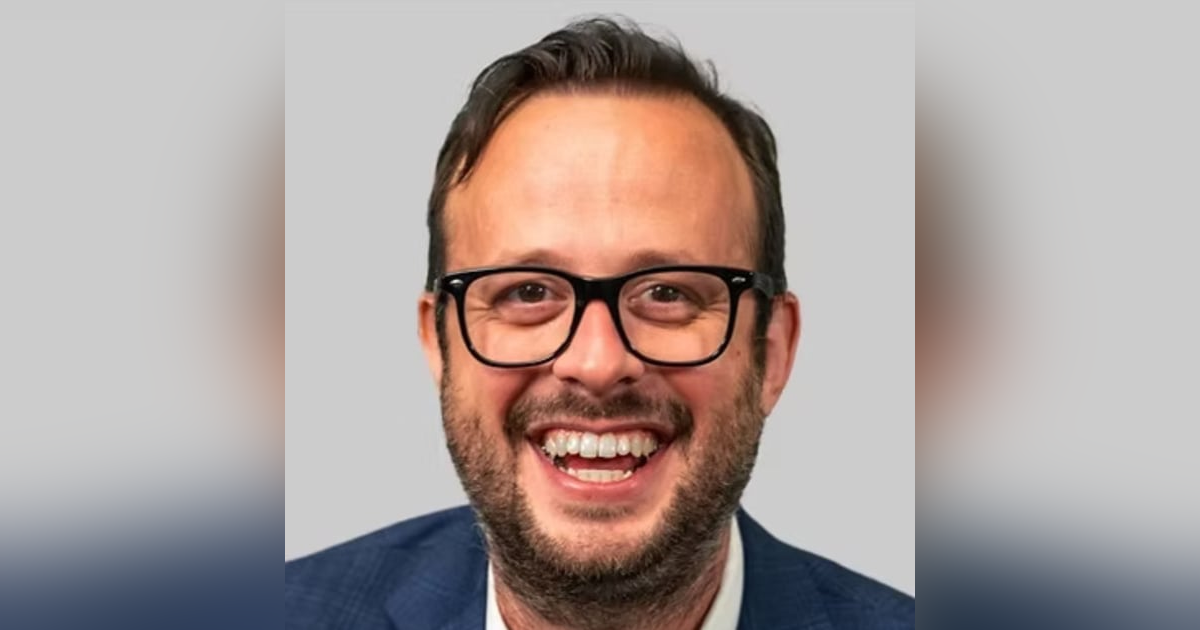


In this episode of “Cancer and Comedy”, Dr. Brad Miller talks with mental health advocate, performer, and podcast host Kevin Crispin (Behind Beautiful Things) about living with obsessive-compulsive disorder (OCD), anxiety, and the “things that eat you alive” on the inside. Anchored in a Bob Dylan lyric— “Behind every beautiful thing, there’s some kind of pain”—Kevin shares how he’s learned to acknowledge both the hurt and the hope, and how we can choose what to focus on.
Kevin opens about childhood racing thoughts, irrational fears, and feeling “other,” and how therapy, performing, and his one-man show “Invisible Now” helped him put words (and even humor) to what was happening in his mind. He and Dr. Brad explore the power of storytelling to lift shame, reduce isolation, and build empathy—especially for people facing cancer, depression, or any adversity that quietly consumes them.
If you’ve ever struggled with your own thoughts, or loved someone who has, this conversation offers compassion, perspective, and a reminder that telling the truth—sometimes with a little laughter—can be a powerful step toward healing.
“Cancer and Comedy” with Dr. Brad Miller helps people confront life’s hardest realities with hope and humor. Learn more and join the community at cancerandcomedy.com/follow.
Website: https://www.kevincrispin.com/the-actor
Podcast Website: https://www.sadtimespodcast.com/
Dr. Brad Miller 0:00
Hello, good people. Welcome to the cancer and comedy podcast with Dr Brad Miller. This is the podcast where we look to offer cancer-impacted people a bit of hope and humor. And one of the things we deal with is mental health, depression, and other things that come into play here when it deals with this. And we're pleased to have a great guest with us today, to help us to navigate some aspects of mental health as it impacts people who are going through adversity in life. When we talk about cancer, we're not only talking about the disease cancer, we're talking about other things that eat you alive, which include things like depression, divorce, disease, death, things like that. And so Kevin Crispin is here with us here today from Kevin crispin.com and he is here with us to talk to us about his podcast called Beyond behind, behind beautiful things. And in his podcast, Kevin welcomes kind, generous guests to share difficult stories from their lives, as well as discussing the work they do to help others who struggle. And he's had his own things to deal with in his own life as well, and we're going to be talking about them. You can find his podcast at sadtimespodcast.com. Kevin Crispin, welcome to our conversation.
Kevin Crispin 1:12
Hey, Brad. Welcome, so happy to be here, and thank you for having me on.
Dr. Brad Miller 1:16
It's an honor, man. It's an honor, a privilege to have you. Kevin. You know, I've just wanted to wonder, and I often ask our guest here kind of a question out of the gate, and that is, what's something that's kind of put up a smile on your face or just lifted you a little bit that's happened to you in your, oh, last day or two a week or so?
Kevin Crispin 1:35
Absolutely, I spent years as an actor, and then that wasn't really paying the bills. So I did do corporate for a long while, and I decided to leave that to do mental health advocacy, and as it as I'm sure that you can understand that also may not pay the bills. So I also work in a couple of bars and restaurants, and pretty much every time I go into work, I have a smile on my face. I'm around people that I enjoy being around, customers. For the most part, I really enjoy being around, and I feel lucky to be doing the work that I'm doing with people that I care about and hopefully care about me, and that always puts a smile on my face. And I think we as people, myself included, often take things like that for granted, and I try very hard each time I go to work to not take that for granted, but I do smile a lot now.
Dr. Brad Miller 2:21
That's awesome. You're trying to say, find something positive in everyday life, going to work. And that's a that's awesome. One of the things I learned about you, Kevin, in our prior conversation and in reading up about you a little bit, is you seem to be a fan of Bob Dylan, and you've got, you've got a quote from him. It seems like you've kind of built your podcast, and a lot of things you do around the quote. Behind every beautiful thing, there's some kind of pain. And so I'd like you to unpack that little bit. Why is that quote important to you, and what, how does that speak to you in terms of doing what you do as a mental health advocate and a Podcast Producer? Tell me why that quote struck you.
Kevin Crispin 3:05
Yeah, one of my favorite villain lyrics, one of many, I think, when I first really heard that, for the first time, I'd listened to the song, 100 times, 1000 times, whatever it is, around 2009, 2010, I was going through a really rough period in my life. I was doing work I did not want to be doing. I was very broke, so on and so forth, but I still was having a hard time appreciating the beautiful things in life, because I was focusing on the pain of the mistakes that I had made to learn to acquiesce and to attain these beautiful things. So I think that that's a very true statement in that the world is full of beautiful things, but the world is also full of pain. And I think we have a choice on who we get, what we get to focus on. And I think on my show, on Behind Beautiful Things, we often talk about the pain, because we all go through that. It's a universal experience, but at the end, usually by the end of the show, we're talking about the beautiful thing in that person's life. So I think it's about the duality of life. I think it's about the fact that we get to choose what we want to focus on. We get to choose what we want to believe in. And I also believe that mistakes are one of the best things to happen to humans. Without mistakes, we would be a pretty lousy bunch. And I think that the pain behind beautiful things is hard-earned. And, yeah, that's kind of unpacking it for you a
Dr. Brad Miller 4:30
A little bit. Yeah, absolutely. Like, there's two sides of life, you know, one of the symbols, one of the inventories who use the cancer comedy podcast, is that cancer kind of represents the tragedy, you know, kind of the Shakespearean mask, kind of a thing, you know, you got the tragedy on one side and you got comedy, The comedy mask on the other side. And that, you know, you have tragedy and issues come along, and you don't have to go down with them. You can see a different side if you choose. You. And you mentioned that about a choice that you made, it sounds like you made a few choices in your life. You mentioned a kind of bad state or a bad period of time that you were in. And I know that the former title of your podcast was something about sad times. And so tell a little bit about some of this transition you've had, a little bit about dealing, you know, you've chosen to lean into mental health advocacy. So tell a little bit about your story, about maybe some dark places you were at, and how you got through that.
Kevin Crispin 5:31
Absolutely, you know, going back to when I was a little kid, some of my first memories are around these racing thoughts I had in my mind. I mean, just one after the other, after the other. And I would, I didn't know this term then, of course, but I would ruminate on things for long periods of time, and it turned up emotions in me that were very uncomfortable. However, I was going through all of that, but I didn't know how to explain it to anybody. I attempted, of course, to explain it to my parents, and they did their best that they could. But for example, here's a weird thing. This is the type of stuff I would worry about. Brad is in sixth grade. I had a long obsession and fear that I was going to die in the electric chair. Now I didn't know how to stay in the school library.
Dr. Brad Miller 6:19
With me, like a capital punishment deal, you'd be set off for some reason to electric, Okay, all right,
Kevin Crispin 6:23
Yes, yeah. And I didn't know how to turn to my friends, say in the library at school, and say, Hey, are you all so worried about dying in the electric chair? Like then I would feel, one, the fear, and two, the shame that I even said that out loud, right? So that's just one of the many really weird things I worried about, and I didn't understand that these worries were creating very powerful emotions inside of me, and emotions that I would do almost anything not to feel, so I would act out. I would become very angry because these emotions, I wanted them gone. And I started going to therapy when I was eight. Years later, I was diagnosed with obsessive-compulsive disorder. I certainly have, I certainly have the good old obsessive thoughts that, to me, are the painful part of OCD. I think a lot of people, when they say, oh, I'm OCD about, I don't know, the dishes or something, right? Well, I always say, I'm OCD about life, and it's more about the obsession, which is the pain. The compulsion is trying to take that amazing emotion and pain away, but the non stop obsession thoughts, obsessions, and thoughts that I had as a kid, and I still have today, although it's much better, really scared me and really made me feel alone.
Dr. Brad Miller 7:42
And so, yeah, you were dealing with some weird stuff here that impacted your life ongoing. So absolutely, did it hold you back in any way? Did it kind of keep you from having fulfilling whatever you were trying to get done, either as a youngster or as later on life did this was it was this? Obsessions were an impediment to moving on in life, absolutely.
Kevin Crispin 8:08
And again, I'm going to go back to the emotion that is generated when one is obsessing about one's own doom or downfall, whatever it may be, you know, another deal online, nothing really matters much. It's Doom alone that counts. A bit bleak. Yeah, go ahead. That generated fear, fear of otherness. There's a reason, years and 1000s of years ago, that people used to excommunicate people, maybe they still do in their own way from societies, because we are meant to be around other people. And this fear of otherness, of being different, of being alone, always kind of kept me in my head a lot. And when I was younger, I had very funny parents. I'm very blessed by that, and I learned to be funny and to use humor to deal with the most painful things. But it took me a while to get there. I took myself pretty seriously, and therefore, I would pull back on things that I was trying to do. I would not be totally invested, say, in relationships with people, because I was afraid of where those relationships would lead. I was focusing on the negative. I was not focusing on the moment and the time; these thoughts brought me out of the moment and put me either in the past or the future, or worrying about my future, and then I let so much stuff slip by because I was too consumed by my own thoughts and emotions.
Dr. Brad Miller 9:36
That's all those thoughts and emotions, past and future, meant that you could not, if I'm interpreting what you're saying here, right, Kevin, you could, you could not either enjoy or even engage in your present quite as much as maybe you would wish. I mean, am I anywhere close to what you were going through?
Kevin Crispin 9:52
No, that's absolutely right. Because often I would be, say, in a situation where I was with a friend and we'd be talking about something, you. Pretty innocuous. And in my head, though, I'm thinking about, am I going to be kidnapped? That was another big fear of mine. Am I going to be, you know, die in the electric chair, so on and so forth, and I wasn't really there enjoying the time with the person. And this goes back to what I was saying earlier about when I go to work and why I smile, because I'm with people that I care about, and I'm able to be more present because of my mental health challenges, for a long time in my life, I have not been able to be present, and I've been so obsessed with something bad happening myself for those I love, that I then miss out on life.
Dr. Brad Miller:
Well, it sounds like somewhere along the line, you mentioned you're a performer or an actor before, and I know that you had a show, kind of a one-man show, invisible now. And so tell me about this transition you made. It seems to me that you may use performing or acting and things like this as one way to process what you were going through and end up with this show invisible now. So tell me about that journey. Was this a part of your process to take acting and things like this, to try to
Kevin Crispin:
deal with what was going on in your head. Apps, absolutely, and to this day, it's more so reading and writing that I do, as I often say when I write, I'm trying to figure something out. I've tried to write fiction. I'm terrible at it, but I'm I try to write personal essays or try to figure something out, but my one man show rose out of I was one day just kind of sitting there, and I was in another really difficult period in my life, and I was having a lot of dark thoughts, and Brad and I was having trouble. And as I was coming out of that, I thought to myself, you know, it would be funny. What if I did a show where I just talked about all the weird stuff I've been afraid of? That was the seed of it. And then I got to thinking about it more, as is my want. And I thought, you know, there are a lot of people who deal with a lot of stuff that they don't talk about. They feel ashamed, they feel fear that they will be, you know, ostracized, looked at weird, so on and so forth.
Dr. Brad Miller:
So hang on to go all kinds of different places, can't it?
Kevin Crispin:
Oh, absolutely, absolutely every place but the right place, it seems like. So I ended up doing many drafts of the show. I had readings, and I wrote the show as kind of a linear story of my life with with mental health challenges, from when I was really little and I didn't understand why my stomach would feel the way it would when I was worried, to my adolescence, when I would tell people all my therapist or or the pastor in my church at the time, all the crazy stuff that I was afraid of, to then adulthood and being afraid of every, every which weird thing. And again, the whole goal of the show was to be like, hey. And I said this at the beginning of the show. I said, Listen, there's going to be a lot of weird stuff. I want you to laugh. Do not feel like you need to hold that back. We need to laugh at this stuff. But the goal of the show was for me to say, Hey, here's some of the weird, difficult stuff that I've been through. Now I'm not expecting you, the audience member, to tell me your story, but maybe, maybe you'll come away from the show and say, you know, XYZ that I was worried about or I was struggling with, I've never really talked to somebody. Maybe I'll talk to a loved one about that. Maybe I'll like you were
Dr. Brad Miller:
trying to open up, you're opening up yourself. You were trying to open up avenues or vehicles for people to open themselves up. Is that part of what went on here?
Kevin Crispin:
Yeah, I was trying to say, trying to maybe do what I wish I could have done as a kid, which is, say, This is what's going on in my head, and isn't it funny and weird, and also kind of, you know, it's icky, and I don't want to feel this way, and I think that that feeling doesn't just go away, right? And we
Dr. Brad Miller:
Did anybody, I'm curious, did anybody respond to you? Did anybody actually approach you after a show or anything like that, and say, Hey, man, whatever you said here, that was kind of like my experience, or open up to you at all, anything along that line?
Kevin Crispin:
Yeah, there was a there's one experience, maybe my favorite part of the whole doing the show, and it was one of the better experiences of my life overall. I partnered with a local mental health organization here in Chicago, and I had them come. We did talk back. Anyway, I'm doing the show, and I could see the front row right, one of the great things people don't understand, if you perform, there are lights in your face. You can't really even see anything. I could see the front row. And I saw this, this woman, and then maybe a younger woman, and I was like, Well, I don't know who, who they are, cool. Whatever I did, the show left, came back out. They were still standing there. And the woman introduced herself to me, and she was actually with the mental health organization that I partnered with, okay. And she said to me, now, now, she said, This is my daughter. And I looked over, and I smiled, you know? And her daughter kind of smiled, and she said, for so long, my daughter has been trying to tell me what's going on in her head for so long. And. Your show was finished, she just pointed at the stage and said that, okay, well, I looked over at her, and she had tears in her eyes, and she just nodded her head. And that was so rewarding and wonderful.
Dr. Brad Miller:
Kind of makes it worthwhile, didn't it? Because I'm sure it took a lot of energy, a lot of vulnerability on your part, to even get up there on stage in the first place and kind of spill your guts in whatever you do, and then to do that, and to have an affirmation like that, that kind of makes it worthwhile. And absolutely seems like you may have, Kevin has got a few things, your wishes, or your your your drive to process your anxiety and your mental health circumstances. Where does some of that come from? I know you've mentioned your mother in one of our conversations about how your mom was kind of a part of this whole process. Here are some dark humor and things like that. Tell me about your mom and about what she went through, and how that kind of relates to the topic of our podcast. Overall, cancer and comedy, absolutely.
Kevin Crispin:
So my mother is a two-time cancer survivor, which is amazing. I still remember the phone call. I was 22 when I got the phone call. When she was first diagnosed, it was ovarian cancer, thankfully, that was a pretty, you know, they were able to get that out of there, right? And she did not have to go through chemo due to the procedure that she had, and then she did not have remission, and then later she had a very rare form of cancer. And she talks about the darkest things and makes them hilarious, and I love that most about my mom. So my mom here has this cancer, and obviously, cancer, as you know, as many people in our audience know, is a very scary, dangerous thing, sure, and she had it in a very private area, which is where it was. And if I may, the way that she would joke about it, it was, go ahead, okay, cool. Is where it's a it's called pageant's disease, and people get it when they wear underwear. Is a good way to say it. So for women, it's either on their breasts or down below. And for men, it's down below. And my mother had it down below, and so she would, she would always talk about you, like, Oh, my hostile puss and all this stuff. And I just would laugh and laugh because she's making fun of something that is literally trying to kill her, right? She's making light of it, and then there she has the power again. And cancer does not.
Dr. Brad Miller:
Right, has a dark humor that kind of dissipates the horror of it in a way. And it sounds like you've used some of the same thinking, basically, but dealing with mental health issues, depression, and anxiety, and so on, is that fair enough that you're trying to demystify it, or to bring down the anxiety of it by making?
Kevin Crispin:
having some humor with it absolutely and one of the reasons I changed the name of my show from sad times to behind beautiful things is because my initial goal, and still the goal of the show, is to have a guest on every week, and that GUEST tells any story that they want to tell from their life or about the work that they do, and the goal is not to judge or diagnose or solve any problems. It's simply to have the story be told. Because I didn't feel like there were a lot of outlets that were just allowing people to tell their story without any sort of tinkering or judgment, and just allow somebody, somewhere to hear and say, Oh, I thought I was the only one who felt that way. However, often they are difficult stories. Something we say on the show is that difficult stories are universal, but they're not universally told, and they're difficult stories. So I called it sad times. But as I went on, I'm having these guests with immense vulnerability, Grace, courage, kindness, when needed, levity would be injected into these shows. And there actually were a very positive but more often than not, they're very positive conversations, often about difficult things. And I said, You know what? This isn't about sadness. This is about life, and this is about the beautiful things in life, hence the Dylan. And so the reason I bring all that up is when I have a prep call with you, and I spoke before I have a prep call with every one of my guests, so they tell me what they want to share, and then I know what they're comfortable talking about. Then I know when we're talking, and I'm helping them tell their story. I can make jokes. There are certain things that I often do at my own expense. I mean, I was a big David Letterman fan, after all, yeah, he's my favorite. Oh yeah, yes. Oh, the best. And that just lightens the mood, and I think it cuts through it in a way that nothing else really does.
Dr. Brad Miller:
It seems like you've seen the real power of storytelling, especially storytelling as a means of healing. So, say a little bit more about that, about the power of storytelling, because that is what you focus on in your podcast, and it's really what a lot of us do here at Cancer and Comedy as well. Storytelling. Tell me about it. App.
Kevin Crispin:
Absolutely, something else we say on the show is that stories are the great healing power of humankind. The more we hear, the more we heal. Wow. Great quote, yeah, story, thank you. Stories are all around us. We are just a collection of stories as people, and the people that we love have stories, and they have told us their stories, and that has influenced how we thought and felt, and it's helped us feel less alone, I think, with stories. For example, I said earlier, I like to read, especially every day, but you know, if I'm anxious, it really helps my brain. It's because I'm reading a story, and it is, it is helping me work through that. And then I see my life in that story, or I see my loved one's life in that story, and I can understand and build more empathy because I know their story, and I call it building the big empathy muscle. The more I tell each other stories, the more we're going to feel less alone, and we're going to understand why people may behave the way they do, why they may be having troubles, and what have you? Because we have empathy for our fellow human and I think the best way to employ that and strengthen that is through stories.
Dr. Brad Miller:
Yeah, so what do you think happens? What do you think happens when we listen to or perhaps even tell a difficult story? You know, you told a difficult story about your mom a minute ago. What do you think happens internally to our psyche or to our process? You say it's a healing power here. What do you think happens at the moment that a story is told or listened to?
Kevin Crispin:
I think starting with telling a story, going back to my show or any of the stories I've told about my struggles, including today, there's a weight that's lifted. There's a weight that doesn't need to be there, but is there because of the way that we're made up. And sharing a story, being vulnerable is very difficult at times, but it also allows a weight to be lifted. And for hearing a story, I mean, think about for your listeners, reading a book, watching a movie, talking to a loved one who's telling you about their day, so on and so forth. We hear these stories, and again, it's about, to me, at least, it's about understanding. If people tell you a story, you understand, and that helps you heal yourself, and then help other people see other people heal.
Dr. Brad Miller:
And we like to call the followers of our show lifter uppers, because we are lifters, for short. After all, that's kind of the focus, you know, to be a force to lift others, or to find ways to lift yourself. And a big part of that is through, through storytelling. And within storytelling, humor is a part of that. One of the things you've mentioned in some of our conversations is something you call the 90% humor rule. So what is the what is that? And unpack that a little bit, the 90% humor rule, absolutely.
Kevin Crispin:
So I believe, getting to the humor rule, I believe there's only one thing we in a society want answers about everything, and often there aren't answers, right? And that is a troubling struggle, but I do believe there's one thing that makes sense 100% of the time, in its kindness. No matter the situation, kindness makes sense. Now, I think Huber is in the 9090 to 95th percentile, which makes sense. Now, obviously, there are moments where maybe let's not make a joke about X or Z, sure, but when we can make the joke.
Dr. Brad Miller:
So there's a place for timing and tactfulness and, you know, using the right moments, this type of thing.
Kevin Crispin:
Yeah, absolutely right. You have to understand. And I listen, I've made the mistake many times where I've made a joke when it's like, shouldn't have done that.
Dr. Brad Miller:
Yeah, you need to read the room, and I don't always do it well.
Kevin Crispin:
So, yeah, right, exactly. Well, I think humor helps so much.
Dr. Brad Miller:
Yeah, well, it's, I think I was really struck by something else you said here, Kevin, you talked about, I believe, you know, we talk here in cancer, comedy by cancer. You know, not only do you know, I'm a prostate cancer survivor. My co-host is a breast cancer survivor. We talk about that, but we also know that cancer, by definition, is kind of a multiplication of cells or something else that eats you alive. And you know that it can also be mental health issues. It can be relationships, things, debt, and other things like it, death, grief, things like that. Can all be cancers in the sense that they can just destroy you from within. And so you talk about something called the cancer of belief. And so tell me about that. What do you mean by that term, cancer of belief?
Kevin Crispin:
Yeah, so cancer, I call anxiety the cancer of belief. And what I mean by that is, as you said, cancer is about rapid, rapid reproducing of cells in such a way that it is damaging. Well, that can happen with thoughts, too. And you can start. I think a really easy example of this is this: everybody has probably had a job. They've been at work. Their boss has walked in and said, Hey, Kevin, can you come to my office for a second? No, boy. Yeah, and you know what happens immediately? You think, I'm going to get fired. Four seconds later, your brain is full of a world in which you're walking out with a box in your hand and all your stuff and all this stuff. And that happens like that, like in the blink of an eye. And that is those thoughts starting with one and going, and it becomes a tumor of thought.
Dr. Brad Miller:
Tumor of thought, Wow. Well, now you've spent, I think that's very well put there tumor of thought. And how that can just metastasize if we let it. So we have to take some control of that, or certainly find a way to navigate it, cope with it. You know, we'd like to say, cope with hope around here, and then, so one of the things that you have done to help others cope is you've spent some time on the caregiver side of things, with your mom, for instance. And so, you know, you have had your times when you've been cared for, but tell me about being a caregiver. You kind of worked with your mom in that kind of area, and the role of that? Yeah.
Kevin Crispin:
You know, it's interesting, because my sister is a nurse practitioner, actually about to get her doctorate in nursing practice, and she's what, maybe somebody stopped somebody on the street and said, Hey, what's a caregiver? They would say somebody is a medical professional, so on and so forth, right? Well, I'm too much of a hypochondriac to know any of that stuff. Want to talk about the cancer belief. But my mother has always had unfailing love for my sister and me, and she also has dealt with anxiety and depression. And since I was a little guy, I would try to listen, and I would try to be there for you and make you know when appropriate, and again, I messed up a lot. But when appropriate, make jokes, and it's as simple as listening, not even saying it. Some people just want to talk. They want to be heard. Yeah, they don't want it fixed. And I just tried to be there in love. And I failed a lot, Brad, I failed a lot,
Dr. Brad Miller:
But your presence was there, and that's awesome, yeah. And I think your mom, I'm sure your mom, appreciates that, and she probably, in some way or another, has expressed that to you, appreciation. Oh, absolutely. And part of what I'm hearing in our conversation here is how this, how appreciation and storytelling can be an antidote, as it were, to anxiety and to those racing thoughts that we have. And I think it's all a part of the humor integrated into that. It's not all about just the, you know, the dumb dad joke or whatever. That's funny, and that's good, but it's about the presence that has a has a has a presence that is lifting. That's the kind of thing. One thing, she's, one of the things that you mentioned in some of your work here, Kevin, is, is the silence before the story, in that there could be, sometimes in that silence before the story there be, can be some suffering or anxiety that you know, like you mentioned, that there that that moment of racing thoughts when you get called into the boss's office, you know, you may be called in to get a raise or a promotion or something like that too, right? But you're still gonna have racing thoughts and ruminations, you say. And so here's what I want to here's what I'm curious about, because you spent a lot of time in your podcast talking to people like me and others who've had their own stories. And when you have a guest that you've booked on your podcast, and they are about ready to tell a different, difficult story. Do you ever sense they've got some silent moments ahead of time for you, or some pre-articulation of the silence for them? And if so, what's your process of helping them? You know how to navigate that?
Kevin Crispin:
So basically, you mean, like a silence before we start our conversation. Maybe they're nervous, maybe they're. Yeah, before they tell us.
Dr. Brad Miller:
How do you approach that? How do you deal with that, given that you have mentioned that your part of your experience is these racing thoughts, this anxiety? You know when you have a podcast interview, either side of it, or anything else that matter your performer. You know, when you go perform before an audience, there are some moments there, but now you've made it your business to try to be a good listener of stories. And so, do you have any sense that this silence before the drama is there for people? And so do you have any way that you try to help, you know, de-stress or be helpful to them?
Kevin Crispin:
Yeah, I think there are two ways. One is what I mentioned earlier, which is a prep call. I do a prep call with every guest, and on that prep call, I explain what the show is and the goal is, and then I ask them to tell me the story they want to share. And some people say, Well, what does your audience want to hear? And I say, I'm not trying to be glib. They want to hear a story. It's up to you. And I let them tell me the story, and I build an outline based on what they tell me, and I send it to them so that they can see, and they can say, hey, let's remove this, or, Hey, let's add this. And then, once they're good. At the outline, I lock it into place, and so they know when we record, I am not going to go outside of that outline. And I think one that helps a lot of people to understand, Okay, we are going to talk about a, but we're not going to talk about B, C, D, E, or F, so I don't
Dr. Brad Miller:
That's awesome. That's part of what I'm getting at here. It's about helping people give a sense of comfort in telling their stories and respecting boundaries and things of that nature. So appreciate you sharing that. And so I wanted to just put a little pressure on that there to understand that a little bit better. So let's bring it back around to your story and the story of others. What do you think, Kevin, as we kind of bring us playing the land here pretty soon? Tell me about a person that has heard your story, or you've heard their story, that obviously doesn't give names or whatever, but tell me a story about a story where you said, Okay, something good has happened here. This has been a good thing. Tell me about one of those people. They are just what you've encountered in your life, either your podcast, your performances, or something else.
Kevin Crispin:
Well, a close friend of mine comes to mind, and we met in fifth grade, and we became very close over creative things of that nature. We drew comic books more than I. But anyway, as we got to know each other through middle school and high school, we kind of learned, somewhat unintentionally, that we worried about the same type of stuff. We worried about health stuff, we worried about any number of things. And we were able, because we learned this about each other, we were able to go to the other person without judgment from that person in any way or fear of judgment, right, and allow ourselves to tell the story to each other. I'm worried about this. I'm worried about that. I've had him on my show, and he's talked about things from his childhood that I recall him worrying about because he was able to confide in me. And even as adults, every once in a while, we still reach out to each other and say, I'm having a hard time. And that is invaluable, invaluable,
Dr. Brad Miller:
An amazing level of trust that you have with that friend, and it sounds to me like he's the type of person that if you're in real trouble, you know you could turn to Him and vice versa. I'm sure
Kevin Crispin:
That's awesome. Yeah, he is an amazing, amazing man and an amazing social worker, and he helps people every day. And I couldn't be prouder.
Dr. Brad Miller:
Well, we're proud of you. As far as being vulnerable and putting yourself out there, I think you chose Kevin because of a combination of being both vulnerable and inviting. You know, certain folks could be vulnerable, and it's almost too much in the sense of, you know, it's, it's over, you know, TMI, too much information, or something like that. But is it? There's a certain level of timing and sensitivity about this. And so if I think you're the type of person that people can connect up to and relate to, and because your story resonates with so many people, there is just a just, really a just, you know, it's a pandemic because of its own right of loneliness and mental health issues and people dealing with cancers of belief, as you say, and real, real cancer, and that you've offered something here. So if people want to know more about you, Kevin, either find your podcast, and you are a mental health advocate, to find out more about what that's all about. How can folks find out more about Kevin Crispin? Absolutely.
Kevin Crispin:
So you said Kevin crispin.com is my personal website. And I just want to say, because a lot of people, I think understandably, mainly, probably because of Rice Krispies, want to spell Crispin with a K, it's with A, C, C, R, I, s, p, i n. So, there you can learn about the public speaking that I do on mental health. And then, as far as the podcast goes, again, called behind beautiful things. It comes out every Tuesday. Today, we are recording on a Tuesday. We just released our 160/9 episode, and it's wherever you get your podcast, Spotify, Apple, Amazon, something called Podbean, which I've never heard of. And we have a website, as you said, sad times, podcast.com, and a good example, I've owned the domain behind beautiful things podcast for like a year, and I still have not redirected the domain because I get confused, and then I just throw up my hands anyway. If you go to sadtimespodcast.com, you can see all our episodes. There are some amazing testimonials from people who have written on our blog, but it's also about those people's stories. And again, stories are the great link currency of humankind. And hopefully, the more you hear if you're listening to it, the more you.
Dr. Brad Miller:
hear, well, you can hear more about Kevin Crispin's story, of his story, the stories of his guests on about two beautiful things the podcast, and certainly right here on this episode of the cancer and comedy podcast, and you can we'll put links to everything Kevin is all about in our show notes at cancer and comedy.com Kevin Christman, thank you for being our guest here on cancer and comedy. You.
