


Finding Strength Through Loss: James Moffitt’s Journey With Faith, Grief, and Father’s Refuge
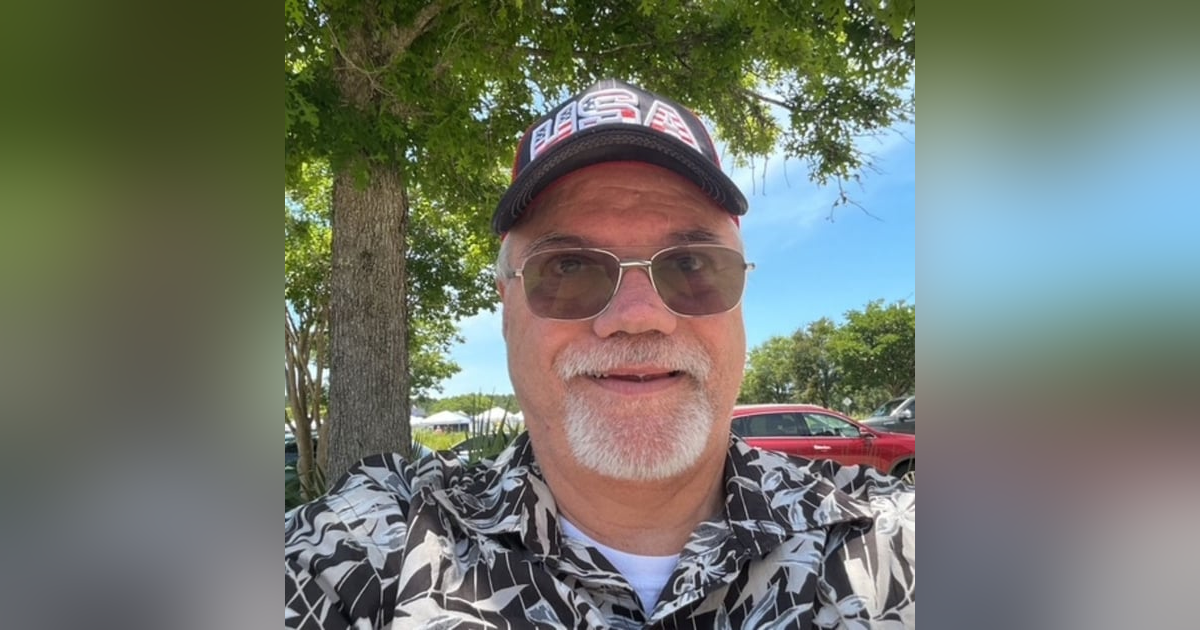


On this episode of Cancer and Comedy, Dr. Brad Miller talks with James Moffitt, founder of Father’s Refuge, about grief, faith, and finding hope after the loss of a child. James shares the stories of his daughter Jessica, who died from childhood cancer at age 10, and his son Jeremy, who passed away years later from serious health complications. His experiences show how grief is not a moment in time, but a lifelong journey that reshapes identity and belief.
James explains how Father’s Refuge was created after realizing that fathers often lack support once a child’s treatment ends. He and Brad discuss how men are taught to hide emotion, which can lead to isolation and broken relationships. James opens up about wrestling with God in moments of anger and despair, and how the idea of refuge became a place for dads to be honest and not alone.
The conversation highlights Jessica’s remarkable courage as she chose peace and family over further treatment. James also reflects on his strained relationship with Jeremy and the pain of unresolved distance. Woven throughout the episode are messages of hope, humor, and encouragement, reminding listeners that even after profound loss, healing and purpose are still possible.
“Cancer and Comedy” with Dr. Brad Miller is dedicated to helping people navigate cancer and profound loss with hope, faith, and honest conversation. Learn more about James and access resources for grieving fathers at fathersrefuge.com or contact him at fathersrefuge@proton.me. To connect with the wider community and continue your own journey of healing with hope and humor, visit cancerandcomedy.com/follow.
Website: https://www.fathersrefuge.com/
Email: fathersrefuge@proton.me
Dr. Brad Miller [00:00:00]:
Record button. And then I'm going to do a little countdown. I'll go three. I do a little, have a short intro, then we'll jump, jump. We'll jump into it. All right. Today's date is 26th November of 2025. Talking with James Moffat.
Dr. Brad Miller [00:00:15]:
Am I saying your last name correctly? Moffat?
James Moffitt [00:00:17]:
Yes, sir.
Dr. Brad Miller [00:00:18]:
Hello, good people. Welcome back to Cancer and Comedy. This is the podcast where we look to offer cancer impacted people a strategy to cope with hope and Humor. And we love to talk to people who have been able to deal with tragic circumstances and find some glimmer of faith and enjoy even in some difficult circumstances. And so it's really a privilege today to have James Moffat with us here on Cancer and Comedy.
Dr. Brad Miller [00:01:01]:
And Father's Refuge is a place for fathers who are walking through the treatment process with their families and experiencing the grief of loss of a child. And in James case, he's lost two children. So we're glad to have you with us, James. Welcome to our conversation today.
James Moffitt [00:01:39]:
My friend, Dr. Miller. Thank you for having me. And I'm, I'm excited to be here and I'm not necessarily excited about the, the topic. However, I hope that sharing my story, especially with regards to Jessica and Jeremy, will resonate with some of your listening audience. And I, I'm used to being on the other end of the microphone. Well, this is the first time I've ever been a, I've never been a guest on a podcast. Oh, really?
Dr. Brad Miller [00:02:13]:
Well, awesome.
James Moffitt [00:02:14]:
I'll try to behave myself.
Dr. Brad Miller [00:02:15]:
You'll, you'll, you'll be fine. Well, the first, first thing is call me Brad, not Dr. Miller. So that, that's going to be the first. Okay. That's gonna be about my only rule here for you, James. I'll be Brad and James. And we'll just have a good conversation about things here with you.
Dr. Brad Miller [00:02:30]:
But the most stressful ones I've ever experienced are ones where parents lost children. And in your case, you've lost two children. One as a young child and one as an adult. And I want to get into the stories about your children here in a minute, but I just want to, in that context, tell me kind of why.
Dr. Brad Miller [00:03:15]:
Why Father's Refuge? What is that all about? What is the meaningful purpose of Father's Refuge? After you experience this loss twice, in 2001 and 2025, what made you decide this was the time to build some sort of a community?
James Moffitt [00:03:33]:
Well, in 2001, as I think I told you before, as my family was. Were. We were walking down the. The road of. What do you want to call it? Treatment therapy. You know, the treatment. The road, you know, down treatment. We.
James Moffitt [00:03:55]:
We went with Jessica to MUSC's Children's Hospital for 14 months, and they said if we. If she lasted 12 months, that we'd be lucky. Well, she lasted 14 months. And I quickly learned that there were support systems in place for families that were going through that treatment journey with their children. Right. That's what children's hospitals are all about. And there are a lot of big organizations out there that deal with that sort of thing. And I noticed that after Jessica passed away, that there wasn't a whole lot of support for couples, much less fathers.
James Moffitt [00:04:37]:
Right, okay.
Dr. Brad Miller [00:04:38]:
Yes.
James Moffitt [00:04:40]:
And so at that point in time, you know, when you. When you're faced with this roadblock or when you're faced with the loss of a child and, you know, parents don't ever expect to lose children, you know, the natural progression of things is that the parents pass away, children bury their parents, et cetera, et cetera. So it's quite a shock when you are faced with, you know, 14 months of chemo, radiation, all of that very.
Dr. Brad Miller [00:05:13]:
Very pain, painful, ugly stuff. I know.
James Moffitt [00:05:15]:
Yes. And. And so we endured all of that. And despite our. Despite all the prayers, wishes, hopes, dreams, yelling at Dr, screaming at Dr. Right, right. Bartering with Dr, you know, he. He chosen his infinite wisdom to take her home.
James Moffitt [00:05:37]:
You know, she was either going to get healed here or up there. Right?
Dr. Brad Miller [00:05:41]:
Yes, yes, indeed.
James Moffitt [00:05:43]:
That's. That's the. That's the hope we believers have. Right, right. People of faith, which we are. And so I would have. If I'd have had my druthers in a perfect world, I would have liked to seen her get Healing here.
Dr. Brad Miller [00:05:59]:
Absolutely.
James Moffitt [00:06:00]:
Enjoyed time, more time with her. Right. And so Father's refuge came into being in my mind and heart, back in 2001.
Dr. Brad Miller [00:06:10]:
Okay.
James Moffitt [00:06:11]:
Because I felt like. I felt like fathers needed a support system. Men in general don't share their emotions readily.
Dr. Brad Miller [00:06:20]:
Right, Absolutely.
James Moffitt [00:06:21]:
And we, we. You know, I, I'm a byproduct of, you know, I'm a baby boomer, and I'm a byproduct of the 70s and 80s and men don't cry. My dad was a drill sergeant, you know, for 26 years, and he was like, you know, your children to be seen, not heard, and, and kind of Turn.
Dr. Brad Miller [00:06:41]:
The macho, tough guy kind of a thing.
James Moffitt [00:06:43]:
Yeah, yeah. Yep. So. So when you're a man of this, you know, that's a byproduct of that era. You really don't know. You're not, you're not. Your emotional intelligence is not tuned into, you know, feeling that it's okay to cry. You know, it's not, it's not appro.
James Moffitt [00:07:06]:
It's not appropriate for you to show your emotions. You know, that's a. Back then, that was a sign of weakness. Right, right. Fast forward to 2025. You know, there are family therapists. There are psychologists. They had psychologists and psychic psychiatrists and things like that back in the 80s.
James Moffitt [00:07:24]:
But I, I think that the. What, whatever. What's the word I'm looking for? You know, therapy, you know.
Dr. Brad Miller [00:07:34]:
Okay.
James Moffitt [00:07:35]:
Therapists, marriage counselor.
Dr. Brad Miller [00:07:37]:
Just wasn't quite as available to you as part of what you're saying?
James Moffitt [00:07:42]:
Yeah, I think it's progressed a lot over the years, which is. Which is good. And so, you know, my dream and vision was for father's refuge to provide a sense of belonging, a sense of support, a sense of hope, a sense of community. Yes. I didn't want fathers to be all alone.
Dr. Brad Miller [00:08:11]:
Yeah.
James Moffitt [00:08:11]:
Like I was.
Dr. Brad Miller [00:08:12]:
So you, you lost Jessica in 2001. About. How old was she when she passed?
James Moffitt [00:08:18]:
She was 10 when she. Her birthday was September 11th. So when the World Trade Centers went down, she would have been 11 on that day. She died on August 5th of 2001.
Dr. Brad Miller [00:08:31]:
Okay.
James Moffitt [00:08:32]:
So. Well, so September 11th has a dual meaning for us.
Dr. Brad Miller [00:08:36]:
Sure. Well, I just want to say before we go any further, just, just. I'm sorry for your. I've just grieved with you, for your loss of both your children. But let. Kind of Just thinking about a very young child going to be, you know, going to be 11 years old. Just shy of 11 years old. That's.
Dr. Brad Miller [00:08:53]:
That's a heartbreaker, man. That's a heartbreaker. And then fast forward, just not too long ago, you've lost a son. And so that was. Was that this year, this calendar year, you lost your son?
James Moffitt [00:09:06]:
Yes, and yeah, in January.
Dr. Brad Miller [00:09:09]:
So how. And how old was he?
James Moffitt [00:09:11]:
38.
Dr. Brad Miller [00:09:12]:
38. So you have this really powerful and heartbreaking and interesting experience that of losing children. You know, third, twentyever is 25 years apart, something like that, and then 24 years apart and then so. And then also experiencing the support systems that were there or maybe not there in that.
James Moffitt [00:09:41]:
Right.
Dr. Brad Miller [00:09:41]:
Interim period. So, you know, you and your, your wife going through this grieving process together. So just tell me, kind of describe to me the landscape of grief support, as it were, from what you've experienced in that whole time, because I know the whole time, you know, you were raising your son, you were still had. The loss of your daughter was a part of the whole process as well.
James Moffitt [00:10:08]:
Yes, we had, we had four children. Jeremy was from a previous marriage. I was married to his mother for, I don't know, two years. It didn't last long. And when we got married, we were both very young and immature and inexperienced and all of the above. Right, okay. But Jeremy was a, he was a blessing, one of the bright spots of that relationship. And he, he and I were, I don't want to say the word estranged.
James Moffitt [00:10:44]:
Maybe that's a little bit too strong, but we weren't close.
Dr. Brad Miller [00:10:46]:
Okay.
James Moffitt [00:10:47]:
And so, so when he passed away in January of this year, I had hoped that he and I could reconcile what relationship was or was not there, you know, and he was in the ICU for five weeks. He had RSV of the lungs and he wound up getting pneumonia. And he was very heavy. He was, he was heavy, let's just put it that way.
Dr. Brad Miller [00:11:19]:
Okay.
James Moffitt [00:11:20]:
And that I think ultimately that is what wound up doing him in. He had a couple of heart attacks one night and they were, they were able to resuscitate him the first time. The second time they were not able to resuscitate him. And so in that, during that five weeks, me and his stepfather and Jeremy's closest friend's mother did a lot of conference calling and talking about his health plan and talking to the doctors about, you know, progressing forward with hopefully, you know, him getting out of the ICU and going to a step down unit and hopefully going to rehab. And you know, I was going to go visit with him once he got into rehab in Michigan. And of course that didn't happen.
Dr. Brad Miller [00:12:10]:
Sure, sure. So just a really distinctly different grief experiences, you know, that you've had here sounds like distinctly different and that's. And to be appreciated in its own right. But I want to Turn back to Jessica just for a minute. Tell me, James, what was some way that she delighted your life?
James Moffitt [00:12:37]:
She was probably the. Well, I would say she's probably the sunshine of our family. She was a very loving, kind hearted. She was, you know, you know, when you're a parent of multiple children, you never want to say you love one child more than the other. Right. For obvious reasons. Right. You want to, you want to, you want to love all your children equally.
James Moffitt [00:13:07]:
And sometimes, sometimes the personality of the child, the psyche of the child, the mentality of the child either lends itself to making that easy on the parent or it makes it harder on the parent. Right. So Jessica was our most lovable and kind hearted and gentle spirited child. Every time the kids got in trouble for something, she was always stepping forward and taking the blame. We caught on pretty. We caught on pretty quickly. I'm like, yeah, Jessica, you go sit on the couch. Let me talk to these other two.
Dr. Brad Miller [00:13:42]:
Oh, clowns. The other, the other two instigated her and they. She'd made him. She took the fall for him. Huh? Okay.
James Moffitt [00:13:50]:
Yeah. I'm sure that on several occasions, she, she took the brunt of the punishment for, for something that she had nothing to do with. She, she knew it was going on, but she wasn't the cause of it. Right.
Dr. Brad Miller [00:14:01]:
Yeah.
James Moffitt [00:14:02]:
And so she, you know, I remember very distinctly that, you know, I'd make her laugh and she'd go, oh, Daddy. You know, oh, Daddy. I'll never forget that.
Dr. Brad Miller [00:14:13]:
You know, I bet some things she did put a smile on your face too, right?
James Moffitt [00:14:17]:
Oh, yeah, absolutely. Yeah. She was a very loving child. She was very unique. And during the treatment process, you know, she came face to face with her mortality, you know, okay. She, she handled her impending end much better than her mother and I did. Wow.
Dr. Brad Miller [00:14:46]:
And so she was a teacher in the whole process. Sounds like to me.
James Moffitt [00:14:49]:
Oh, yeah, yeah. She, we, we. I remember that our pastor at the time, Pastor Tom Glisson of Grace Fellowship Church here in Goose Creek, South Carolina. He was, he was a chaplain at the hospital, Trident Hospital in Somerville. And so being a chaplain, you know, he was very experienced with loss and grief and, and ministering to families that were going through all sorts of, you know, issues, you know, health issues and hospice and all of that stuff. And I, I remember the doctors pretty much got us together. I don't know what, at what point it was. It was like three quarters of the way through the 14 months.
James Moffitt [00:15:40]:
And they set us down in a conference room and I asked Pastor Tom to be there because I knew of, I knew that he was the kind of the emotional support, spiritual support part of our family. And so I asked him to be there because I wanted, I wanted him to hear what they were saying and kind of give me a sounding board.
Dr. Brad Miller [00:15:58]:
Right.
James Moffitt [00:15:58]:
And help me to help us to understand. Are they selling us a line of hoo hoo or hogwash or are they telling us the truth? Right. We didn't know. You know, I didn't, I didn't for one second think that the doctors would lie to us or, or give us false hope or anything like that.
Dr. Brad Miller [00:16:16]:
Right.
James Moffitt [00:16:17]:
But anyway, they basically said that, you know, they said, you know, they were talking about a bone marrow transplant. That was the last straw or that was the very last treatment option for her. And that was going to last four to six weeks. She'd be in quarantine and they would do bone marrow transplant. And, and the treatment itself could kill her. Right.
Dr. Brad Miller [00:16:43]:
Wow.
James Moffitt [00:16:44]:
And so, so the doctors left the room and we talked to the pastor, our pastor. And you know, so we, Katie and I went to Jessica's room and went in there and talked to her. She was having lunch. I don't know.
Dr. Brad Miller [00:16:58]:
Yeah.
James Moffitt [00:16:58]:
And we basically said, you've got one of two. You have one of two options. You either, you know, go through this bone marrow transplant that could, could possibly save you, but in all reality, it could also speed up the process of you not being here. Right. And for a 10 year old child, she was very receptive and I think she understood what we were telling her. And that conversation was not a pleasant one.
Dr. Brad Miller [00:17:28]:
Sure.
James Moffitt [00:17:29]:
But so she, she decided that she was tired of the chemo, tired of the radiation. She just decided she wanted to spend the rest of her days at home with her family in her bed.
Dr. Brad Miller [00:17:42]:
Wow.
James Moffitt [00:17:43]:
Not in the hospital. And we were like, do you understand what you're saying here? Is that, is that your choice? I was her, her life, her body, you know.
Dr. Brad Miller [00:17:51]:
Right, Absolutely.
James Moffitt [00:17:52]:
One that was gonna have to. She the one that had endured radiation and chemo and that was no walk in the park by itself. Right. So, you know, we wanted her to fully realize that, you know, this other option was on the table, but there was no guarantee that it was going to save her life. You know, and so she made the decision to, to go home and be with mom and dad and brothers and sisters. And so hospice was called in and, you know, she spent the rest of.
Dr. Brad Miller [00:18:21]:
Her sound like she'd made a very mature decision for a 10 year old girl. And, and she kind of led you and your Wife and your family through the process. It sounds like, to me that she took control. Took control, as it were, of her own destiny. Do you feel that way?
James Moffitt [00:18:39]:
Yeah, I think. I think she. She was advanced in her years with regards to the circle of life. You know, she.
Dr. Brad Miller [00:18:48]:
That's awesome.
James Moffitt [00:18:49]:
She. She understood the end was near, I think. And we, you know, as parents who loved her, were kind of in denial. You know, we were still in the. The bargaining stage with God and.
Dr. Brad Miller [00:19:04]:
Right, right.
James Moffitt [00:19:06]:
You know, the hope was spring eternal when we first got into this thing, you know, at the. In the beginning, after they did the emergency surgery and took the tumor out, as much of it as they could, and part of it was wrapped around her brain stem, and they told her. That's when they told us that we couldn't touch the brainstem that, you know, if she lasts 12 months, you'll be really lucky. And they're not kidding.
Dr. Brad Miller [00:19:29]:
Yeah.
James Moffitt [00:19:30]:
And. But we had a. We still had a lot of hope at that point. We had a lot of faith. We had a lot of hope.
Dr. Brad Miller [00:19:35]:
Yeah.
James Moffitt [00:19:37]:
Lots of prayers, lots of conversation with God and rainstorms walking down, you know, Maple Ridge Drive where we lived.
Dr. Brad Miller [00:19:44]:
Okay.
James Moffitt [00:19:45]:
And as, you know, as time went on and as radiation and chemo, I think the treatments may have slowed it down a little bit, might have given us some extra days that we might not have had. She not had those treatments. Right. I don't know.
Dr. Brad Miller [00:20:07]:
But anyway, sound like you had a. Just a wonderful relationship with. With. With her, with Jessica, and she delighted your family all the way to the end. And that's. That's a gift, you know, sometimes. Like, sometimes I've heard a term. Those are final gifts that people give us that they, you know, they're.
Dr. Brad Miller [00:20:29]:
There's nothing pleasant about this in so many ways, but there's still gifts to give. And. And I think, yeah. God, you know, thank you. Thank God for the witness of a young girl named Jessica who came into your life and delighted your life and continues to do so. I could see it in. In what you're all about right now. Part of reason, I'm assuming, part of the reason you're doing the father's refuge is to In a.
Dr. Brad Miller [00:20:53]:
In a real way honor her and to delight in her to get into. But we took. I think it's interesting, though, James, that you use the word. The word refuge, you know, father's refuge here. And that term refuge, that's a very powerful term. What does it mean to you? What does the word refuge mean to You. In the context of grief and the things that we've talked about here today.
James Moffitt [00:21:19]:
Well, early on, and if you've listened to any of my podcast episodes, there's a song, it may not be called this. It's, you know, praise you in the storm. I forget who wrote it, who sang it.
Dr. Brad Miller [00:21:32]:
Okay.
James Moffitt [00:21:32]:
It's a prominent, it's a prominent praise and worship team from, you know, back then. Right, whatever. And anyway, the, the. As we envisioned in our mind's eye, what we were going through, it was like we were on, we were on a beach.
Dr. Brad Miller [00:21:54]:
Okay.
James Moffitt [00:21:54]:
And there was a storm. There was a horrible thunderstorm with lots of lightning in the distance.
Dr. Brad Miller [00:22:00]:
Right.
James Moffitt [00:22:01]:
And as, as her treatment process moved on, you know, from, from month one to month 14. Right. It's like that, it's like that, that we kind of. I kind of likened that whole experience as an impending storm. Storm that was getting closer. The wind was whipping, lightning was cracking, and you know, you know, I don't like lightning or thunderstorms in general. However, at a distance, from a distance, they can be beautiful.
Dr. Brad Miller [00:22:43]:
Sure, sure. Absolutely right.
James Moffitt [00:22:45]:
You can see the power of nature, the power of God being exhibited in those storms. And obviously the storms can be very deadly. Right, right. And so anyway, praise you in the storm. That, that song kind of encapsulates how we were feeling, or at least how I was feeling during this whole episode of her, you know, not getting better. And so to me, refuge, you know, who, who was my refuge during that storm? Well, God was my refuge.
Dr. Brad Miller [00:23:18]:
Absolutely.
James Moffitt [00:23:19]:
Now, now he and I got kind of tight.
Dr. Brad Miller [00:23:24]:
Yeah, yeah.
James Moffitt [00:23:26]:
I wasn't much of a drinker before this happened in my life, but one of the ways I self medicated was to drink beer and I would walk down Maple Ridge Drive in Goose Creek. Now Goose Creek is a very rural town just outside of Charleston, South Carolina. North Charleston. And if you, if, you know, you know, you must be a redneck.
Dr. Brad Miller [00:23:52]:
Okay.
James Moffitt [00:23:52]:
Thus. And so.
Dr. Brad Miller [00:23:53]:
Right, right, right.
James Moffitt [00:23:55]:
What was I, what was that comedian? Oh, Jeff Foxworthy.
Dr. Brad Miller [00:23:58]:
Jeff Foxworthy. Right, right, right. Yeah.
James Moffitt [00:24:00]:
So, so that's one of his lines.
Dr. Brad Miller [00:24:02]:
Kind of, that's kind of the vibe of the area you're talking about. Maybe that.
James Moffitt [00:24:06]:
Yeah.
Dr. Brad Miller [00:24:06]:
Okay.
James Moffitt [00:24:07]:
So one of, one of his statements was, you know, you must be a redneck if the, if, if the, if you drop off of this concrete and the state maintenance onto a gravel road to get your house. Well, that was perfect. That was perfect for us because literally there was an old oak tree in the middle of Maple Ridge Drive at the end. And you literally had to go around it, drop off the pavement and I mean, it was like a one foot drop. It was kind of a gradual drop. Right, right. But you had to slow down and go down onto that gravel road to get to your double wide trailer, you know, lived in at the time.
James Moffitt [00:24:49]:
And every time it rained, it flooded down there. Right.
Dr. Brad Miller [00:24:54]:
Okay.
James Moffitt [00:24:55]:
So there, there were a lot of times, and it wasn't necessarily good weather. There were times that I walked up that hill, around that old oak tree screaming at God with my beer in one hand and my fist in the air.
Dr. Brad Miller [00:25:07]:
There you go. Yeah.
James Moffitt [00:25:08]:
Hey, hey. You know, I bargained with him, you know.
Dr. Brad Miller [00:25:11]:
Right, right.
James Moffitt [00:25:12]:
I'm. If anybody deserves to die because they're a worm, that would be me. Yeah. Not Jessica.
Dr. Brad Miller [00:25:19]:
So you would, you would, you would have readily traded places with her, obviously.
James Moffitt [00:25:22]:
Absolutely. Yeah, absolutely. So anyway, refuge. Refuge to me means a safe place.
Dr. Brad Miller [00:25:30]:
You know, so it sounds like you're, you know, your faith journey you speak of, and it's a real life thing, meaning that it's a journey with its ups and downs, its battles. You know, you are, you are not only having a faith based relationship with God and your daughter is a part of it and your wife and others, your pastor you mentioned, but this is real life struggle. You know, we're having a real struggle back and forth with God. And that, that's natural, man. That's natural. So, so how would you say your, your faith life has evolved through that whole process where kind of where you at now compared to where you were, for instance, you know, in that whole process?
James Moffitt [00:26:12]:
Well, that event didn't destroy our family. It didn't destroy my faith. But I will say that that event in our life did affect our family in a lot of negative ways. Yeah. And because we didn't know how to handle it, we didn't have even my pastor, he didn't tell us about therapy, he didn't tell us about family therapy, and he didn't suggest that we take our, you know, preteens to go see a counselor, you know, somebody that was equipped to talk to them about loss and Cancer. So basically none of us, nobody in my family really received any kind of.
Dr. Brad Miller [00:26:54]:
You weren't got, you weren't really guided. I know in one of our prior conversations you mentioned you wish you had a little more emotional intelligence in that era compared to now. There's something along that line. So sound like you've learned a lot about grief, about how to process grief and how to do it appropriately and the faith element of that as well. Is that. Do you think that's fair to say, James, that you are kind of a student of grief now?
James Moffitt [00:27:17]:
I. You know, hindsight's always 20 20. Right. So, yes, I can. I can look back at that circle of life and that event and how it affected our family and. And, you know, I want to give God praise and glory for allowing me to hang on to him and my faith by. By my fingernails at times.
Dr. Brad Miller [00:27:41]:
Right.
James Moffitt [00:27:43]:
I would like to say that. That my faith was so strong that I was a mountain of faith and that I just didn't affect me and that I just had it all together and.
Dr. Brad Miller [00:27:53]:
Right. Yeah.
James Moffitt [00:27:55]:
No, that wasn't me. I was.
Dr. Brad Miller [00:27:57]:
It is. It isn't the case for any. Hardly anybody. And I've been. My own grief situations and with others. Nobody is that strong.
James Moffitt [00:28:07]:
Right. Yeah, I. I don't. I don't wish. I don't have a lot of enemies, maybe don't have any at all. But anyway, probably have some detractors or people that are not real thrilled with me for whatever reason. We all. Okay, we can all say that honestly.
James Moffitt [00:28:21]:
Right. But. But I would not wish that experience on my worst enemy.
Dr. Brad Miller [00:28:27]:
Absolutely.
James Moffitt [00:28:28]:
Right, right. That experience helped me to have kind of a mirror into how important it is for fathers to have good relationships with their children.
Dr. Brad Miller [00:28:49]:
Wow.
James Moffitt [00:28:49]:
Right.
Dr. Brad Miller [00:28:50]:
So you kind of, in the framework of, you know, you had this really good relationship with Jessica, and you mentioned a little bit of a strained relationship with Jeremy, and so they kind of gave you some insights on relationships with your children overall, and maybe that's some insights you might be able to. To share with others in. In your podcast in other ways.
James Moffitt [00:29:08]:
Sure. Yep.
Dr. Brad Miller [00:29:10]:
It sounds like, you know, through Father's Refuge, you really have created a way to process your own grief, your own emotional and spiritual and relational journey, as, you know, lots of ups and downs in the whole process. Losing two children is dramatic, to be sure, and. But to sound like you've, in a way, you've created a support. A support system of your own. I know you've reached out, you know, on your podcast episodes, you've reached out to some other people to be on your podcast. You've given some insight to others, and you certainly have laid out your own understanding of the grief process, which I think is very, very, very good treatment of that, by the way. And then maybe some of that didn't really exist for you. So what do you hope, moving forward, that for fathers, particularly men.
Dr. Brad Miller [00:30:01]:
I think you've mentioned that. I think that's kind of one of your focuses, James is to find a place for men. What can you think men can learn from your story? To be helpful to them, particularly in processing grief or maybe just being a better father?
James Moffitt [00:30:17]:
Well, I, you know, I just want men to understand that they're not alone. You know, life is real, life is messy. You know, life is full of ups and downs and it's full of happy experiences. It's also full of negative experiences. And sometimes some of those experiences, like losing a child to Cancer is traumatic. You know, you take a hit, it can be damaging. And, and families, some families have been destroyed because.
Dr. Brad Miller [00:30:46]:
Oh, absolutely. I've seen it myself. Yes.
James Moffitt [00:30:48]:
And so my, my, you know, Father's Refuge is a podcast where I want to provide hope for men that are experiencing and not just men, families.
Dr. Brad Miller [00:31:02]:
You know, absolutely.
James Moffitt [00:31:04]:
And I, I love, I love your mission with Cancer and Comedy. And I, you know, I love stand up Comedy. I watch it on Netflix all the time.
James Moffitt [00:31:38]:
Why? Because I love to laugh.
Dr. Brad Miller [00:31:39]:
Well, so many times you mentioned, you mentioned Jeff Foxworthy. Are there any others comedians on there?
James Moffitt [00:31:46]:
Oh, there's, there's tons of them. Tomlinson is a young lady that is very.
Dr. Brad Miller [00:31:54]:
Oh, yeah, right, right, yeah.
James Moffitt [00:31:57]:
Tamara Tomlinson. That's not her first name. Tomlinson. She's really young.
Dr. Brad Miller [00:32:01]:
I know, I know you're, I know you're talking about, about.
James Moffitt [00:32:04]:
Yeah, I like, I like Schlesinger, Izzy Schlesinger. She's really funny.
Dr. Brad Miller [00:32:11]:
Right, right. And so one of the interesting about all those, all those comedians, almost everybody has some story of their own, grief story, as it were, or loss or overcoming adversity. You know, that's one of the ways that you can do that. So, so just, you know, do you see, you know, we've had a pretty heavy discussion here overall, but you see opportunities for, for something that brings light or lightness out of your experience that can be, you know, helpful to people. You know, you've just obviously when even you're talking about your daughter, she brings a smile to your face. But do you think there's anything positive we can take out of this to, to add to some people's lives? Anything that's productive, maybe that might be a better word.
James Moffitt [00:33:03]:
I would say that as long as you've got breath in your lungs and you're alive.
Dr. Brad Miller [00:33:07]:
Yeah.
James Moffitt [00:33:08]:
And they're in you, especially if you have faith in God. You know, if you have that support system that you can lean on, if you have a church pastor, other Christian brothers, I think you're. I think that would be more advantageous than somebody that doesn't have that right. However, I would say that there are support systems, like I tell people all the time, call 211-G90-WAY. Yeah, you know, you're. If you're struggling, if you're hurting, if you're having suicidal thoughts, anything. If you're, you know, call 21 1. That's United Way.
James Moffitt [00:33:46]:
United Way is supported by area businesses all across the United States. And you can tell them what's going on. They can. They can refer you to.
Dr. Brad Miller [00:33:55]:
Get you the help that you.
James Moffitt [00:33:56]:
Organizations. Yeah, yeah. Get you the help that you need.
Dr. Brad Miller [00:33:59]:
Yeah.
James Moffitt [00:34:00]:
So.
Dr. Brad Miller [00:34:00]:
Not. Not really. Not yet. Like, like, you know, lost, like in relationships. Divorce. I went through an ugly divorce. You know, that's a. That's a huge painful experience that men go through.
James Moffitt [00:34:36]:
Not. Not really. Not yet. Like, like, you know, lost, like in relationships. Divorce. I went through an ugly divorce. You know, that's a. That's a huge painful experience that men go through.
James Moffitt [00:34:50]:
Right?
Dr. Brad Miller [00:34:51]:
Yeah.
James Moffitt [00:34:53]:
So, you know, my. My hope and desire would be to, you know, I would like to share my life experiences, you know, with the people listening in on the podcast.
Dr. Brad Miller [00:35:05]:
Well, let's just. Let's just assume there's somebody listening to our podcast today who's having that experience, and just let's give them a nugget here, here of how could they put one. One foot in front of the other in their life. Let's just say there's a person listening to our voices here now who's having a tough time dealing with loss.
James Moffitt [00:35:28]:
That's a tough question. I would. I would say that life is not over.
Dr. Brad Miller [00:35:39]:
Okay.
James Moffitt [00:35:40]:
I know the experience that you may be going through may be painful. More likely, it is painful. You know, and I would say that it's important that you don't wallow in that pain, that you don't bury it, that you, you know, kind of pull it out and stick it on the table and play around with it, examine it. Right? Because you know what, you know what men like to do? We like to shove everything deep down into our hearts and souls, right? And we compartmentalize, and we don't want to deal with it.
Dr. Brad Miller [00:36:16]:
Well, you. It's like I used to tell my own. My three children are all adults now, and I have two grandchildren. Anyhow, one of the things I used to say to them is, dwi, deal with it. You know, you got to deal. You can't just keep it.
James Moffitt [00:36:27]:
Absolutely.
Dr. Brad Miller [00:36:28]:
Dw I deal with it so well. That's one of the things I admire about you, Brad, a lot, is that you are choosing to do this. You are making yourself very public with a podcast and with sharing your story of your grief and your loss. Profound loss. Profound loss. But you've also shared the joy about your. About your daughter particularly, and the good things have come out of that. And, man, I just appreciate you so much for sharing this.
Dr. Brad Miller [00:36:52]:
It takes a lot of courage and a lot of. It takes a lot to do to do this. And I want to thank you for sharing your story. And so if people in our listening audience, cancer comedy audience, want to learn more about you and what you're all about and how to find your podcast, how can they do that?
James Moffitt [00:37:08]:
Well, you can find us on Spotify, Apple Podcast, iHeartRadio, Amazon Music, all the major podcast hosts get our show via RSS feed. You can go to fathers refuge.com. that's our website. I've got. I use podpage to create that. That website. The. You can.
James Moffitt [00:37:30]:
You can text me, you can call me, you can. You can engage with me via email. So Father's Refuge Proton Me is the email address if you want to reach out to me. It's Father's Refuge Proton Me. The best way to learn about all the resources that are available is to go to the website.
Dr. Brad Miller [00:37:51]:
And that website is fathers refuge.com and we appreciate you being our guest here today. It's all about finding strength in shared stories. His name is James Moffatt from fathers refuge.com the podcast. James, thanks for being our guest today on Cancer.
James Moffitt [00:38:06]:
And thank you, Brad. Thanks for having me.
Dr. Brad Miller [00:38:09]:
Absolutely. And close. Awesome, man. I would. I am it. Pleasantly surprised to hear you say this is your first podcast to be a guest on because, man, you rocked. Way to go.
James Moffitt [00:38:25]:
Oh, thank you.
Dr. Brad Miller [00:38:26]:
I appreciate it. So you got a great poignant. Story to tell there about your, your daughter and, and everything. It's so, it's so, so needed because I certainly agree with you very wholeheartedly that many men, even now, even after, you know, the 25 years or so has passed from your daughter, you know, there's still that image, that tendency to want to push things down, as you say, and we need more and more people to step forward. And I know it takes a lot to do this, so I appreciate it, man. Appreciate it. So I'll have this up in a couple weeks, probably. I.
Dr. Brad Miller [00:39:04]:
I meet with. The way I do it is I have a co host for my podcast, and then she and I, I take this interview we did, and I sent it to her, and then we chat about it, about your pod, about, about our interview and play the interview. That's how we, we do it. It's kind of a hybrid model. We. So we have co host. So we, you know, we, we talk. She and I talk about a couple things prior to the interview, then we have the interview, then we talk about a couple things afterwards in light of that.
Dr. Brad Miller [00:39:38]:
So. And I'll email you and let you know what happens with it. Appreciate you a lot, man. Hey, and keep going, man. Keep going. You got a great message and blessings on you, man.
James Moffitt [00:39:49]:
Thank you, Brad.
Dr. Brad Miller [00:39:50]:
We'll see you down the road, man.
James Moffitt [00:39:52]:
All right. Bye. Bye.
